








What's Happening?
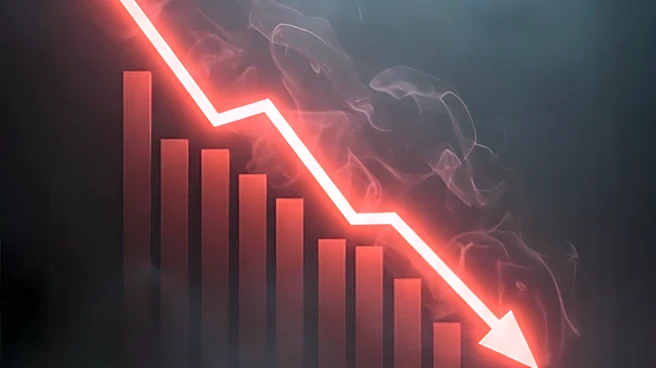
The growth of U.S. retail asking rents has slowed to its lowest level in over a decade, according to CoStar Group. In the second quarter of 2026, national asking rent growth decelerated to 1.6% year-over-year. This slowdown is attributed to a normalization
of the market rather than a decline in demand. Factors such as softer consumer spending growth, elevated interest rates, and increased tenant cost pressures have limited landlords' ability to raise rents aggressively. Despite this, landlords continue to benefit from substantial rent spreads, particularly in high-traffic retail areas.
Why It's Important?
The deceleration in rent growth reflects broader economic trends, including the impact of interest rates and consumer spending patterns. While the slowdown may signal a more balanced market, it also highlights challenges for landlords in maintaining revenue growth. The ability to achieve substantial rent spreads in high-demand areas suggests that the retail sector remains robust, but the overall moderation in growth could affect investment strategies and property valuations. Understanding these dynamics is crucial for stakeholders in the commercial real estate market.
Beyond the Headlines
The regional variation in rent growth, with Sun Belt markets like Phoenix and Orlando still experiencing higher growth rates, indicates differing economic conditions across the U.S. This regional disparity may influence investment decisions and highlight the importance of localized market analysis. Additionally, the ongoing evolution of retail spaces, driven by changing consumer preferences and technological advancements, could further impact rent dynamics and the future of commercial real estate.