







What's Happening?
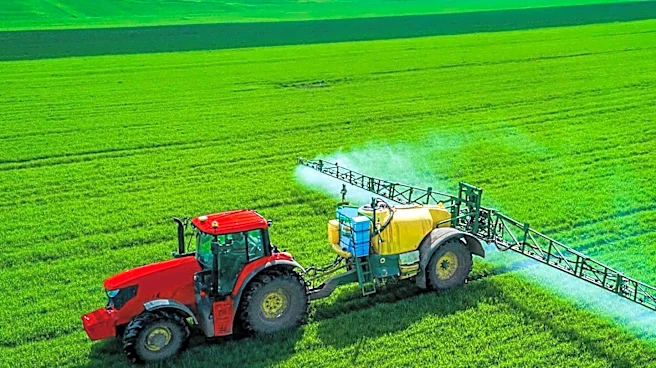
The organic herbicides market is experiencing significant growth due to increasing regulatory pressure on synthetic chemicals, rising resistance to glyphosate-based programs, and growing consumer demand for residue-free produce. Many B2B buyers and investors
are beginning to recognize the true cost of synthetic herbicide restrictions, shifting their focus towards sustainable alternatives. Companies like Corteva Agriscience, Bayer Crop Science, and Syngenta Group are expanding their biological solutions portfolios, while specialists such as Certis Biologicals and Marrone Bio Innovations are developing bio-based crop protection. The market is moving beyond organic farms, with bio-based and natural-acid herbicides being integrated into conventional weed management programs. This expansion is driven by tightening pesticide reviews in major agricultural regions and sustainability commitments from food retailers, which are increasing the demand for approved organic active ingredients.
Why It's Important?
This shift in the organic herbicides market has profound implications for the U.S. agricultural industry and its stakeholders. Farmers face increasing challenges from weed resistance and stricter regulations, making effective and sustainable weed control crucial for maintaining yields and profitability. The growing demand for residue-free produce from retailers and consumers is pushing agricultural practices towards more biological and natural solutions. This creates both risks and opportunities for businesses. Companies that can provide effective, registered, and well-documented organic herbicide solutions stand to gain significant market share. Conversely, those heavily reliant on synthetic chemicals may face declining demand and increased regulatory hurdles. The emphasis on supply reliability, formulation performance on resistant weeds, and documentation for certification audits is reshaping purchasing decisions, highlighting the need for innovation and robust product development in the biological sector.
What's Next?
The organic herbicides market is expected to continue its growth trajectory, driven by ongoing regulatory changes and the evolving needs of farmers. Investors will likely focus on companies that demonstrate strong efficacy, secure registrations across key regions, and offer multi-mode organic programs to mitigate resistance risks. Consolidation within the fragmented supplier base is anticipated, potentially creating exit opportunities for smaller players or compressing margins for independent specialists. Retailer sustainability commitments will serve as leading indicators of future demand, influencing product development and market strategies. The industry will see continued investment in research and development to improve the efficacy and stability of biological formulations, addressing current limitations such as slower action and dependence on favorable weather conditions. The integration of biologicals into broader integrated pest management strategies will also become more prevalent.
Beyond the Headlines
The expansion of the organic herbicides market signifies a broader cultural and ethical shift towards more sustainable agricultural practices. This movement reflects a growing societal awareness of environmental impact, food safety, and long-term ecological health. The increased adoption of biological solutions can lead to reduced chemical runoff, improved soil health, and enhanced biodiversity in agricultural ecosystems. However, challenges remain, including the need for robust regulatory frameworks that can keep pace with scientific advancements and ensure product safety and efficacy. The transition also requires educating farmers on the proper application and benefits of biologicals, as well as addressing potential efficacy limits compared to traditional synthetic options. Ultimately, this trend points towards a future where agriculture balances productivity with environmental stewardship, fostering a more resilient and sustainable food system.