


What's Happening?
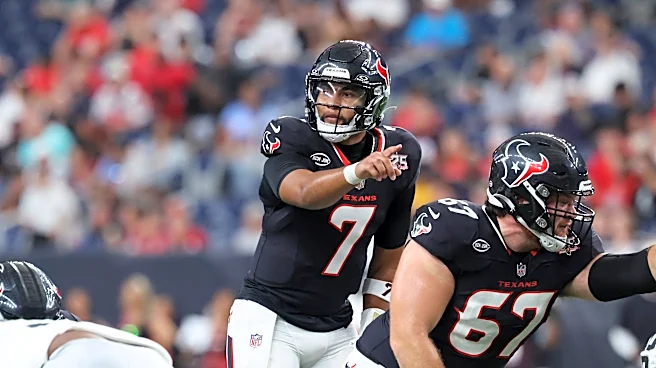
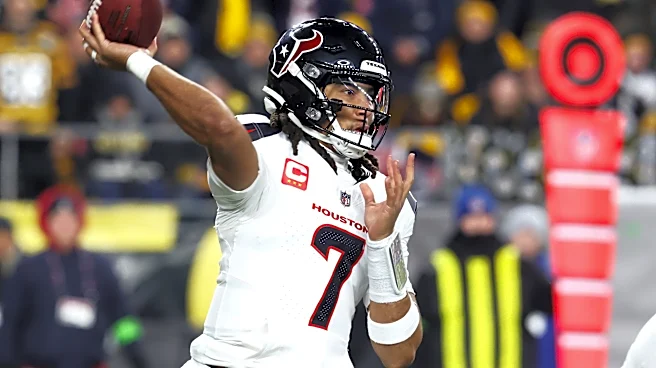
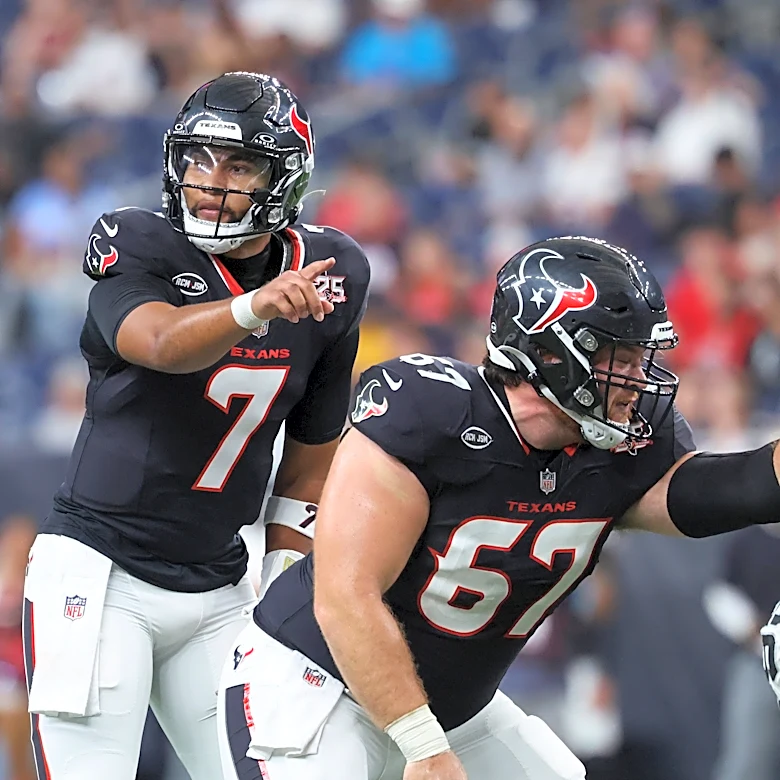
Houston Texans General Manager Nick Caserio has announced a critical deadline for quarterback C.J. Stroud's contract extension negotiations. Discussions will cease once the team begins preparations for Week One of the NFL season. If an agreement is not
reached by then, talks will be postponed until the offseason. The Texans had previously exercised Stroud's fifth-year option in April, securing his contract through the 2027 season. Stroud, drafted second overall in 2023, has demonstrated strong performance with 28 regular-season wins, 10,876 passing yards, and 62 touchdowns. However, his recent playoff struggles, including seven turnovers in two playoff games, have complicated the negotiation process. Despite these challenges, Caserio affirmed the team's commitment to Stroud, calling the fifth-year option a "no-brainer" and integral to their long-term strategy. Stroud, for his part, is reportedly focused on football and has delegated contract matters to his agent, David Mulugheta.
Why It's Important?
This deadline is significant for both the Houston Texans and C.J. Stroud, impacting the team's financial planning and Stroud's long-term security. For the Texans, securing a long-term deal with their franchise quarterback is crucial for stability and future team building. Delaying negotiations could create uncertainty, potentially affecting team morale and future recruitment efforts. For Stroud, a new contract would provide substantial financial security, reflecting his value as a top-tier quarterback in the league. The team's decision to exercise his fifth-year option gives them leverage, allowing them two more years before potentially needing to use a franchise tag or risk him entering free agency. This approach provides the Texans with flexibility but also puts pressure on Stroud to perform consistently, especially given his recent playoff performance. The outcome of these negotiations will set a precedent for how the Texans manage high-value player contracts in the future and could influence other teams' strategies when dealing with young, successful quarterbacks.
What's Next?
The immediate next step is the ongoing negotiation between the Houston Texans and C.J. Stroud's representatives, with a hard deadline set before Week One of the NFL season. If an agreement is reached, Stroud will secure a long-term contract, providing financial stability and solidifying his role as the Texans' franchise quarterback for the foreseeable future. If no agreement is reached by the deadline, negotiations will be paused until the offseason. This scenario would mean Stroud plays the upcoming season under his current contract, with the fifth-year option extending through 2027. The Texans would then revisit discussions in the next offseason, potentially after another season of Stroud's performance, which could either strengthen or weaken his negotiating position. Stroud's focus will remain on his on-field performance, as strong play could increase his market value, while further struggles might complicate future contract talks. The team's management will continue to monitor his performance closely, as it will directly influence their long-term commitment and financial investment in him.
Beyond the Headlines
The situation surrounding C.J. Stroud's contract extends beyond immediate financial terms, touching upon the broader dynamics of player valuation and team strategy in the NFL. The Texans' willingness to set a firm deadline, despite Stroud's proven talent, highlights a calculated risk management approach. This strategy aims to prevent in-season distractions and maintain focus on team performance, but it also places significant pressure on Stroud. The balance between rewarding a star player and managing the team's salary cap is a constant challenge for NFL franchises. Stroud's playoff performance, specifically the turnovers, underscores how critical high-stakes games are in shaping a player's perceived value and negotiating power. This scenario also reflects a growing trend in the NFL where teams are increasingly proactive in securing young talent but are also cautious about overcommitting financially, especially after a player's initial success. The outcome will not only impact the Texans' competitive future but also serve as a case study for other teams navigating similar contract negotiations with their emerging stars.