



What's Happening?
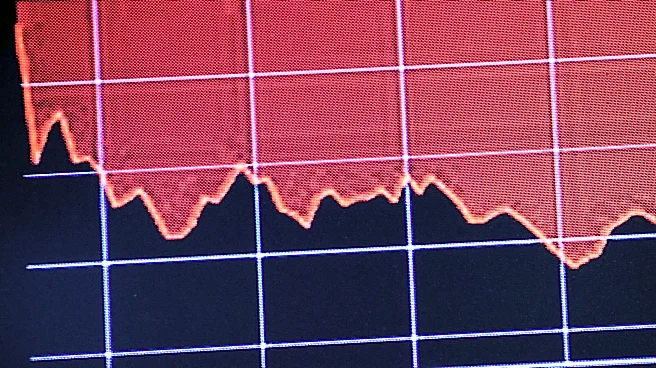
The BITQ ETF has seen a substantial decline, falling approximately 24% over the last 30 days, from nearly $20.66 to $15.69. This downturn is part of a broader trend, with the fund dropping roughly 37% over the last quarter from levels near $25. This sustained
selling pressure reflects a rotation out of digital-asset equities. The ETF, which tracks the Bitwise Crypto Innovators 30 Index, invests in publicly traded companies deriving significant revenue from crypto and blockchain-related businesses, rather than holding Bitcoin directly. Its portfolio is concentrated, with major holdings including Coinbase, Strategy (MSTR), and Bitcoin miners such as MARA Holdings, Riot Platforms, CleanSpark, Hut 8, Cipher Mining, TeraWulf, and Core Scientific. The decline is attributed to weakness in cryptocurrency prices, a risk-off sentiment towards digital-asset equities, and the fund's structural tilt towards volatile, early-stage growth companies. The Moving Average Convergence Divergence Histogram (MACD) for BITQ turned negative on November 13, 2026, and the 50-day moving average moved below the 200-day moving average on the same date, signaling potential long-term bearish trends.
Why It's Important?
The significant decline of the BITQ ETF highlights the inherent volatility and risk associated with investments in the digital asset and blockchain sector. For U.S. investors, this downturn underscores the impact of cryptocurrency price fluctuations and broader market sentiment on related equities. The fund's heavy concentration in Bitcoin miners and crypto exchanges means that these companies, including prominent players like Coinbase and Hut 8, are particularly vulnerable to market shifts. The sustained selling pressure indicates a potential re-evaluation of valuations within the crypto-related equity space, affecting both institutional and retail investors who have exposure to these thematic ETFs. The bearish technical indicators, such as the negative MACD and the 50-day moving average crossing below the 200-day, suggest that further declines could be anticipated, potentially leading to continued losses for shareholders and impacting the financial health of the underlying companies. This situation also reflects a broader market trend where investors are becoming more risk-averse towards speculative, early-stage growth companies in the digital asset ecosystem.
What's Next?
The trajectory of the BITQ ETF will likely remain closely tied to several interconnected factors. Immediate drivers include Bitcoin price trends and the overall sentiment in digital asset markets. The success and pace of Bitcoin miners' pivot towards AI data-center infrastructure will also be crucial, as will the earnings performance of exchanges like Coinbase and platforms linked to stablecoins and tokenization. Macroeconomic conditions, such as interest rate expectations, inflation trends, and economic growth, will continue to influence investor appetite for high-beta equities. Regulatory developments concerning digital assets and capital flows into and out of thematic ETFs represent additional variables. Investors should closely monitor the valuation and earnings cycles of the fund's largest positions, as their concentrated nature means that the performance of a few companies can significantly dictate the overall fund's returns. The technical indicators suggest a potential for continued downward movement in the short to medium term, prompting traders to consider selling or buying put options.
Beyond the Headlines
The performance of the BITQ ETF extends beyond mere financial metrics, reflecting deeper shifts in investor perception and the evolving landscape of digital assets. The fund's decline underscores the ongoing debate about the intrinsic value and long-term viability of crypto-related businesses, particularly those heavily reliant on Bitcoin mining. The pivot of some Bitcoin miners towards AI data-center infrastructure highlights a strategic adaptation to diversify revenue streams and mitigate the volatility inherent in cryptocurrency markets. This move could signal a broader trend where digital asset companies seek to integrate into more traditional technology sectors, potentially altering their risk profiles and investment appeal. Furthermore, the sustained selling pressure and risk-off sentiment could lead to increased scrutiny from regulators regarding the stability and transparency of crypto-related investment vehicles. The ethical implications of energy consumption by Bitcoin miners, and the broader environmental impact of the digital asset industry, also remain a significant underlying concern that could influence investor sentiment and regulatory actions in the long run.