





What's Happening?
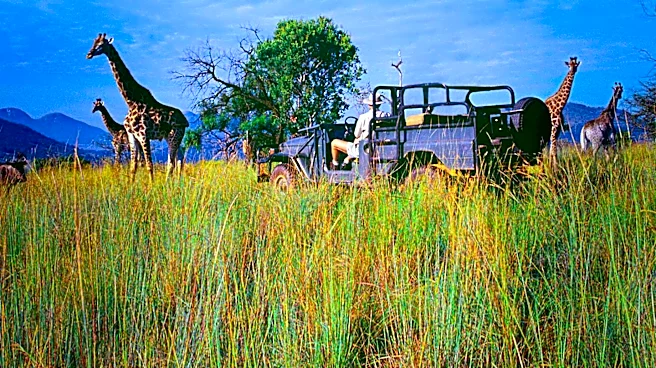
Hangzhou Safari Park provides a comprehensive one-day trip experience, featuring a drive-through area where visitors can observe lions, tigers, zebras, and camels from their vehicles. A guide offers commentary during the 20-minute ride, enhancing the viewing
experience. Beyond the drive-through, the park includes a Predator Zone for close-up views of white tigers and lions, and a Chinese National Treasure Zone housing pandas, red pandas, and golden snub-nosed monkeys. The park also offers interactive experiences such as giraffe feeding, various theater performances including acrobatics and stage plays, and a family playground with free amusement rides like merry-go-rounds and bumper cars. Visitors are advised to arrive early, around 9:30 AM, as animals are most active in the morning and crowds are smaller. The park also provides practical tips for visitors, including transportation guides, parking information, and recommendations for navigating the park efficiently.
Why It's Important?
While the source details a destination outside the U.S., the concept of safari parks and drive-through animal encounters remains a significant aspect of global tourism and wildlife conservation efforts. Such parks offer educational opportunities, allowing the public to learn about diverse animal species and their habitats. The emphasis on early arrival and observing animals during their active periods highlights best practices in animal viewing that prioritize both visitor experience and animal welfare. The inclusion of various attractions, from predator zones to family playgrounds, underscores a broader trend in leisure and entertainment industries to create multi-faceted destinations that cater to a wide range of age groups and interests. This model of integrated entertainment and educational experiences is relevant to how similar attractions are developed and managed globally, including within the U.S., focusing on visitor engagement and operational efficiency.
What's Next?
For Hangzhou Safari Park, continued efforts will likely focus on maintaining animal welfare standards, enhancing visitor experiences through updated attractions, and managing crowd flow, especially during peak seasons. The park's detailed schedule for performances and recommendations for touring suggest an ongoing commitment to operational planning and visitor satisfaction. Future developments might include new animal exhibits, technological integrations for enhanced viewing, or expanded educational programs. For visitors planning a trip, the advice to check performance schedules and arrive early remains crucial for optimizing their experience. The park's accessibility via public transport and self-driving options indicates a strategy to accommodate a broad audience, which will likely continue to be refined to manage increasing visitor numbers and ensure smooth operations.
Beyond the Headlines
The operation of large-scale safari parks like Hangzhou Safari Park raises broader discussions about the ethics of animal captivity, the role of zoos in conservation, and the balance between entertainment and education. While these parks offer unique opportunities for public engagement with wildlife, they also face scrutiny regarding animal living conditions, breeding programs, and the potential for stress on animals due to human interaction. The park's rules, such as prohibiting outside food for animals and strict safety guidelines in predator zones, reflect efforts to manage these concerns. Furthermore, the economic impact of such attractions on local tourism and employment is substantial, contributing to regional development. The global trend towards more immersive and interactive wildlife experiences, as exemplified by this park, also prompts ongoing debates about how best to foster appreciation for biodiversity while ensuring the well-being of captive animals.