





What's Happening?
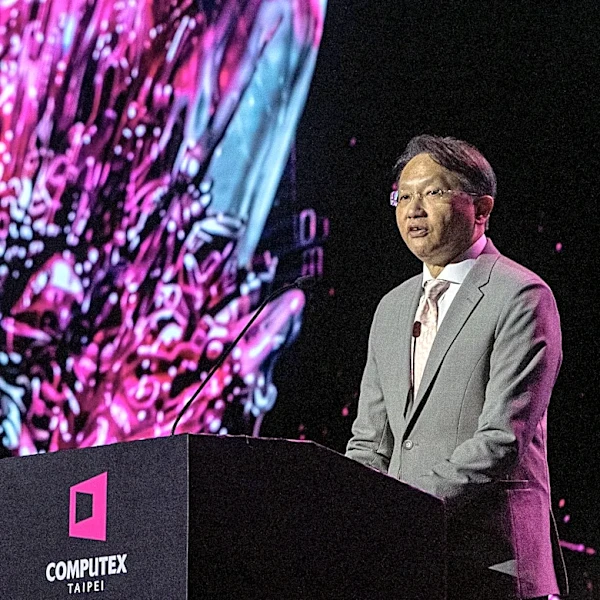
SenseTime, a Chinese AI company, is significantly expanding its presence and offerings across the Asia-Pacific region. Jeff Shi, president of SenseTime's Asia-Pacific business, highlighted a strategic shift from exporting standalone software to providing
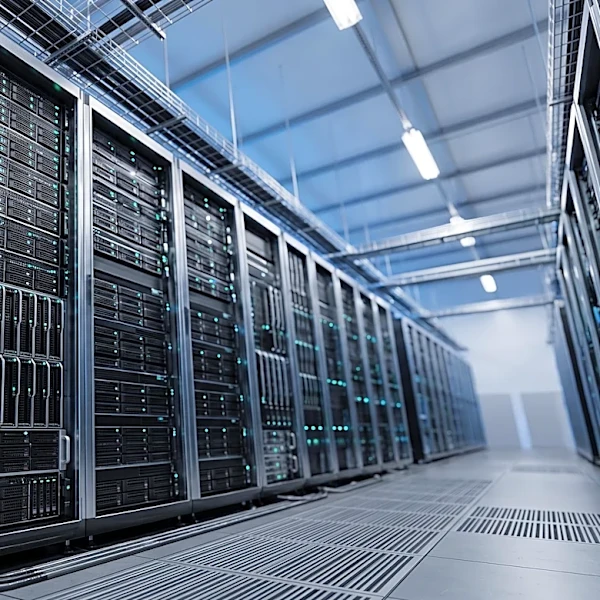
comprehensive, industry-specific AI solutions and digital infrastructure. These solutions leverage China's full AI stack, encompassing data centers, token plans, governance frameworks, and talent development. SenseTime currently serves over 430 companies in the Asia-Pacific. The company has observed a notable increase in international clients visiting its Shanghai headquarters, seeking Chinese AI technology, applications, and opportunities. For instance, a 39-member South Korean technology delegation, led by Hong Seok-Hyun of JoongAng Group, visited SenseTime in July 2025 to explore advancements in visual AI and multimodal large language models, indicating potential for bilateral technological collaboration. This expansion is part of a broader trend where China is becoming a crucial testing ground for global AI development, with rapid convergence in robotics, intelligent vehicles, and industrial applications.
Why It's Important?
SenseTime's expansion signifies China's growing influence in the global AI landscape, particularly in the Asia-Pacific region. By offering integrated AI solutions rather than just software, SenseTime is enabling economies that may lack robust computing power, governance frameworks, or local talent to adopt advanced AI technologies. This approach helps bridge the 'AI digital divide' by providing a complete ecosystem for AI deployment and utilization. The increased interest from international clients, such as the South Korean delegation, underscores the perceived value and maturity of Chinese AI innovations. This could lead to deeper technological collaborations and potentially reshape regional supply chains, shifting focus from labor cost advantages to computing power, algorithms, and AI-driven scenarios. For U.S. companies and policymakers, this trend highlights the competitive advancements in AI from China and the potential for new trade chains centered around AI hardware, robotics, and intelligent solutions.
What's Next?
SenseTime is expected to continue its strategy of providing comprehensive AI infrastructure and solutions, further integrating its offerings into various industries across the Asia-Pacific. This will likely involve more partnerships and collaborations with regional businesses and governments seeking to enhance their AI capabilities. The company's focus on industry-specific solutions suggests a future where AI is deeply embedded in diverse sectors, from manufacturing to customer experience. As China continues to emerge as a critical testing ground for AI, SenseTime's role in deploying these technologies will likely grow, potentially influencing AI adoption rates and technological standards in the region. Future developments may also include further refinement of its AI stack, including advancements in data centers and governance frameworks, to support broader and more complex AI applications.
Beyond the Headlines
The shift by SenseTime from exporting software to providing full AI stacks has deeper implications for technological sovereignty and economic development in the Asia-Pacific. By offering comprehensive solutions, SenseTime is not just selling technology but also influencing how AI ecosystems are built and governed in client countries. This could lead to increased reliance on Chinese AI standards and infrastructure, potentially creating new geopolitical dynamics in the technology sector. Furthermore, the emphasis on talent development within SenseTime's offerings suggests a long-term strategy to cultivate AI expertise in partner nations, which could foster deeper technological integration and interdependence. This approach also raises questions about data governance and privacy as more countries adopt AI solutions built on foreign infrastructure, potentially leading to new regulatory challenges and international discussions on data flow and security.