



What's Happening?
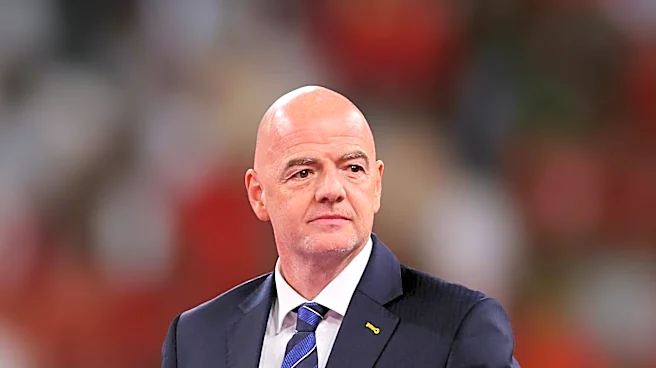
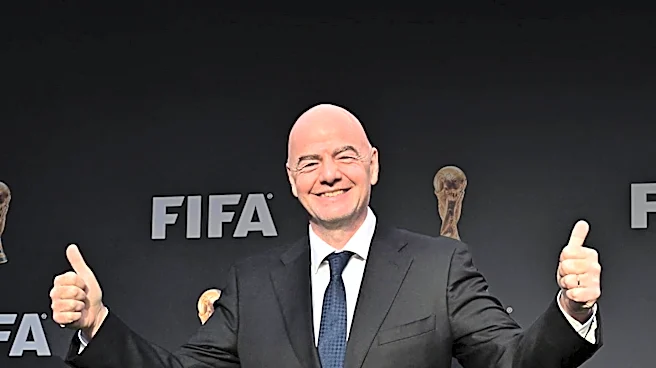
Arsene Wenger, former Arsenal manager and current FIFA chief of global football development, is reportedly considering a bid for the FIFA presidency. This potential challenge comes as UEFA seeks a credible alternative to incumbent Gianni Infantino, who
is seeking re-election. Infantino's leadership faced scrutiny after a proposal to sell a minority stake in a World Cup company, FIFA Forward Enterprise (FFE), to private investors was rejected by three continental confederations, including UEFA. Although Infantino abandoned the plan, UEFA expressed a loss of confidence in him and has been working to identify an opponent. Wenger, with his reputation and knowledge of FIFA administration, would be a formidable challenger if he decides to run. Kozo Tashima, honorary president of the Japanese Football Association, has also announced his intention to run for the presidency. The election is scheduled for March 18 next year at the FIFA Congress in Rabat, Morocco.
Why It's Important?
The potential entry of Arsene Wenger into the FIFA presidential race signifies a significant challenge to the current leadership and could lead to a shift in the organization's direction. UEFA's active search for an alternative candidate highlights a growing dissatisfaction with Infantino's governance, particularly concerning commercial decisions like the FFE proposal. A change in FIFA leadership could influence how major international football tournaments, including the World Cup, are managed and commercialized. This election is crucial for the future of global football governance, as it will determine who steers the organization through upcoming challenges related to financial transparency, commercial growth, and the integrity of the sport. The outcome could impact the distribution of resources, development programs, and the overall financial health of football associations worldwide.
What's Next?
Candidates for the FIFA presidency have until November 18 to secure nominations from five national associations. UEFA is expected to hold executive committee meetings and gather its member national associations in the coming week to discuss who should receive Europe's backing. Arsene Wenger remains undecided on whether to launch a bid, and his decision will be a key factor in shaping the election landscape. Gianni Infantino has already secured support from various confederations, including those in Africa, Asia, Oceania, South America, and the Caribbean Football Union, positioning him strongly for re-election. The campaign leading up to the March 18 election in Rabat, Morocco, will likely focus on issues of governance, financial management, and the future direction of international football.
Beyond the Headlines
The debate surrounding the FIFA presidency extends beyond individual candidates to fundamental questions about the balance between commercial interests and the sporting integrity of football. The FFE proposal, which aimed to bring private investment into FIFA's commercial entities, underscores the ongoing tension between maximizing revenue and maintaining the sport's core values. This election could set a precedent for how future commercial ventures are approached, potentially leading to stricter oversight and greater transparency. The involvement of figures like Wenger, who has a strong background in football development, suggests a potential shift towards prioritizing sporting outcomes and grassroots development alongside financial growth. The outcome will also reflect the power dynamics within FIFA's 211 member associations and the influence of continental confederations like UEFA.