






What's Happening?
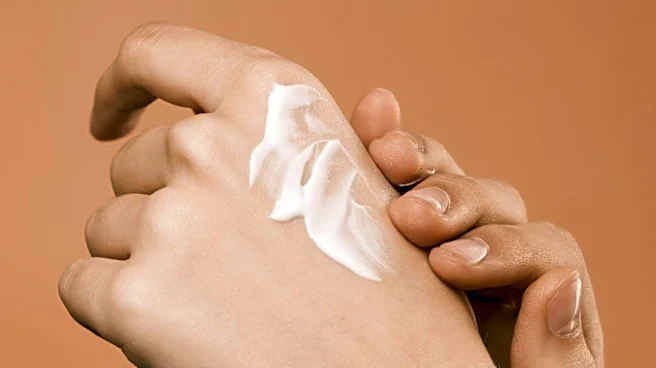
Barrier repair creams are increasingly recommended for the daily management of eczema, including mild-to-moderate flares and long-term skin maintenance. These creams should be applied at least twice daily during active flare-ups, ideally immediately after
bathing when the skin is still damp to maximize hydration. The primary function of these creams is to replenish deficient physiological lipids in the skin and to soothe nerve-mediated itch signals, thereby breaking the itch-scratch cycle. Products like Aveeno Eczema Therapy Daily Moisturizing Cream, which contains colloidal oatmeal, and Bio-Active Ceramide Moisturizer from INKEY, are highlighted for their effectiveness. These formulations are designed to strengthen and restore the skin barrier without causing irritation, making them suitable for sensitive and reactive skin types. The shift towards steroid-free treatments is driven by concerns over the long-term side effects of topical corticosteroids, such as skin thinning and rebound flares.
Why It's Important?
The emphasis on barrier repair creams signifies a significant shift in dermatological approaches to eczema and general skin health, moving away from sole reliance on corticosteroids. This change is crucial for individuals seeking sustainable, long-term solutions for chronic skin conditions. By focusing on restoring the skin's natural barrier, these creams help prevent moisture loss and protect against environmental irritants, which are key triggers for eczema flares. This approach can lead to a reduction in the frequency and severity of future flare-ups, improving the quality of life for those affected. The availability of effective, steroid-free options also addresses concerns about potential adverse effects associated with prolonged steroid use, offering a safer alternative for sensitive skin and long-term care.
What's Next?
The trend towards advanced botanical and non-steroidal barrier creams is expected to continue, with ongoing research likely to introduce even more sophisticated formulations. Consumers can anticipate a wider range of products that combine biocompatible emollients with clinically proven botanical ingredients to enhance skin barrier integrity. Dermatologists and skincare researchers will likely further explore the role of the skin microbiome and targeted lipid replenishment in managing eczema and other barrier-compromised skin conditions. This could lead to personalized skincare regimens based on individual skin needs and genetic predispositions, further optimizing treatment outcomes and reducing reliance on traditional pharmaceutical interventions.
Beyond the Headlines
The growing popularity of barrier repair creams reflects a broader understanding of skin physiology and the importance of maintaining a healthy skin barrier as the first line of defense against environmental stressors and irritants. This extends beyond eczema management to general skincare, as a compromised barrier can lead to various skin issues, including dryness, sensitivity, and premature aging. The focus on replenishing ceramides, cholesterol, and fatty acids highlights a more holistic approach to skin health, recognizing that the skin's structural integrity is fundamental to its overall function and appearance. This paradigm shift encourages consumers to prioritize skin barrier health, potentially leading to a reduction in the prevalence of skin conditions exacerbated by a weakened barrier.