








What's Happening?
Global renewable energy consultancy OWC and APEM Group, through its subsidiary GoBe Consultants Ltd, have entered into a memorandum of understanding to collaborate on offshore wind decommissioning projects in the UK. This partnership aims to provide integrated
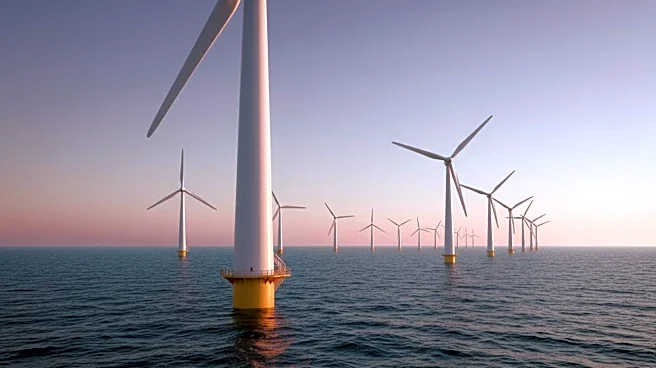
technical solutions to support UK clients in planning and executing decommissioning campaigns. The collaboration is timely, as approximately 5 GW of UK offshore wind capacity is expected to reach the end of its operational life by the early to mid-2030s. The decommissioning of around 1 GW of RD1 capacity is anticipated to begin between 2026 and 2027, with peak decommissioning activities forecasted between 2032 and 2034. The partnership will leverage OWC's expertise in offshore wind engineering and environmental advisory, alongside APEM Group's capabilities in environmental assessment, consenting, and regulatory strategy.
Why It's Important?
The collaboration between OWC and APEM Group is significant as it addresses the growing need for effective decommissioning strategies in the offshore wind sector. As the UK continues to expand its renewable energy infrastructure, the ability to safely and efficiently decommission aging assets becomes crucial. This partnership not only aims to mitigate the technical, environmental, and cost uncertainties associated with decommissioning but also seeks to enhance the credibility of the offshore wind industry. By providing a comprehensive, end-to-end service, the collaboration supports asset owners in making informed decisions, thereby reducing regulatory delays and unforeseen costs. This initiative is vital for maintaining the momentum of the UK's energy transition and ensuring the sustainability of its renewable energy sector.
What's Next?
The partnership will operate on a project-by-project basis, combining the strengths of both organizations to deliver tailored solutions for each decommissioning campaign. As the decommissioning of offshore wind assets becomes more prevalent, the collaboration is expected to play a pivotal role in shaping industry standards and practices. Stakeholders in the UK offshore wind sector will likely monitor the outcomes of this partnership closely, as successful decommissioning projects could set benchmarks for future endeavors. Additionally, the collaboration may influence policy discussions and regulatory frameworks related to offshore wind decommissioning, potentially leading to more streamlined processes and enhanced industry guidelines.