








What's Happening?
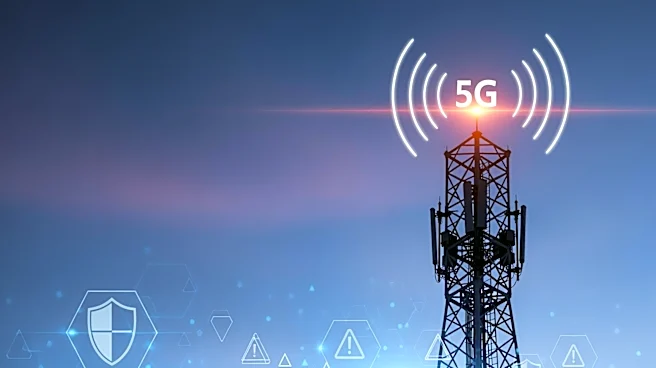
The telecommunications industry is grappling with increased safety challenges as the demand for 5G network expansion intensifies. According to a recent white paper by MSA: The Safety Company, the complexity of mobile tower ecosystems is growing, making
the protection of field engineers more critical than ever. Falls from height are the second leading cause of accidental death globally, and the telecommunications sector is particularly vulnerable due to the nature of tower work. As operators work to densify networks for 5G, upgrade LTE frameworks, and deploy complex microwave systems, the frequency and physical demands of tower work are escalating. The introduction of heavy multiband and multi-standard antennas has altered tower dynamics, increasing wind loads and necessitating more frequent structural modifications. This situation is compounded by the commercial pressures on TowerCos to maintain cost efficiency and rapid maintenance schedules.
Why It's Important?
The safety of field engineers is paramount as the telecommunications industry undergoes rapid technological advancements. The increased risk of falls from height not only poses a significant operational hazard but also has legal and humanitarian implications. Ensuring the safety of workers is essential for maintaining productivity and operational resilience. The white paper highlights the limitations of legacy infrastructure, such as rigid rail systems that can misalign under heavy wind loads, leading to worker fatigue and increased risk. By adopting modern safety solutions like MSA's Latchways® vertical lifeline system, which allows for smooth, uninterrupted climbing, the industry can better protect its workforce. This is crucial for sustaining the momentum of 5G deployment and ensuring the long-term viability of network infrastructure.
What's Next?
As the telecommunications sector continues to evolve, there is a pressing need to standardize fall protection measures across the industry. This involves adopting flexible lifeline systems that can adapt to modern tower configurations and ensuring compliance with evolving international safety standards. The industry must also focus on reducing site downtime and deployment costs by utilizing simplified vertical lifeline installations. Additionally, the importance of choosing stable manufacturing partners for safety equipment is emphasized to ensure consistent quality and reliability. By prioritizing these measures, the telecommunications industry can enhance its safety culture and support the ongoing expansion of 5G networks.