






What's Happening?
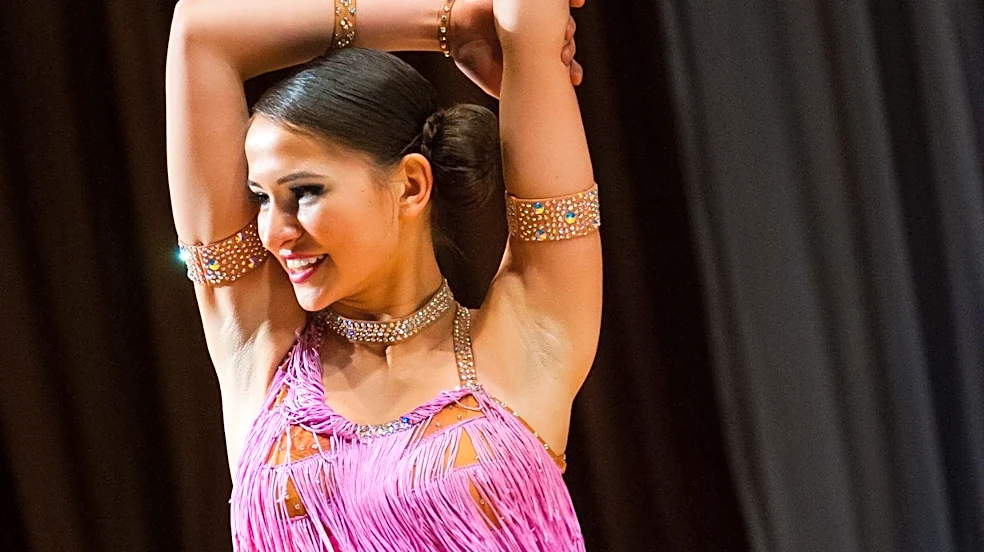
Competitive dance is increasingly being recognized as a sport, aligning with the definition that includes skill, training, physical exertion, and competition. Dancers are described as diligent athletes who compete individually or as part of a team, requiring
endurance, strength, and passion. Similar to other sports, competitive dance involves judges who evaluate performances based on categories such as technique, timing, execution, and presentation. The World DanceSport Federation, which governs international DanceSport competitions, received full recognition from the International Olympic Committee in 1997, indicating its international acceptance as a sport. Despite its artistic elements, the physical and mental demands of competitive dance are comparable to those of traditional sports.
Why It's Important?
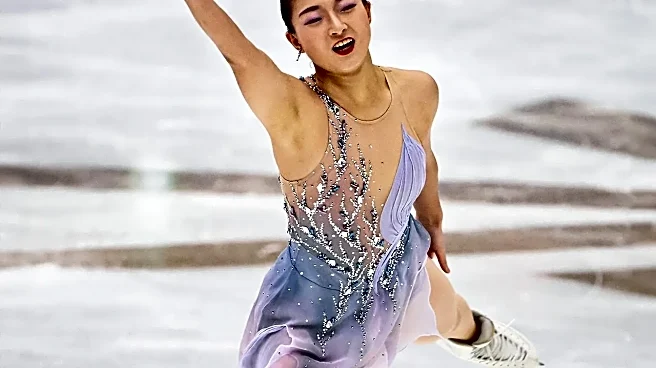
The recognition of competitive dance as a sport has significant implications for its participants and the broader athletic community. This acknowledgment can lead to increased funding, scholarship opportunities, and institutional support for dance programs in educational settings, similar to other athletic endeavors. It also elevates the status of dancers as athletes, challenging the perception that dance is solely an art form. This shift can foster greater respect for the discipline and dedication required in competitive dance, potentially attracting more participants and viewers. Furthermore, it encourages a more inclusive definition of 'sport,' recognizing activities that combine artistic expression with rigorous physical competition, much like gymnastics and figure skating.
What's Next?
As competitive dance gains further recognition, it is likely to see continued integration into athletic frameworks. This could involve more high schools and colleges offering competitive dance as a varsity sport, leading to standardized training programs and competitive structures. There may also be increased advocacy for its inclusion in major multi-sport events, building on its Olympic Committee recognition. The debate will continue regarding the balance between dance's artistic and athletic components, but the trend suggests a growing acceptance of its dual nature. Dancers and coaches will likely emphasize the athletic training aspects even more, further solidifying its place within the sports world.
Beyond the Headlines
The discussion around competitive dance as a sport highlights a broader cultural conversation about what constitutes 'athleticism' and 'sport.' It challenges traditional notions that often prioritize activities involving balls or direct physical confrontation. By recognizing dance, society acknowledges that grace, precision, and artistic expression can coexist with extreme physical demands and competitive rigor. This evolution in understanding can lead to a re-evaluation of other activities that require immense physical skill and competitive structure but are not traditionally labeled as sports. It also underscores the importance of mental fortitude and discipline, which are central to both dance and conventional sports, promoting a more holistic view of athletic achievement.