







What's Happening?
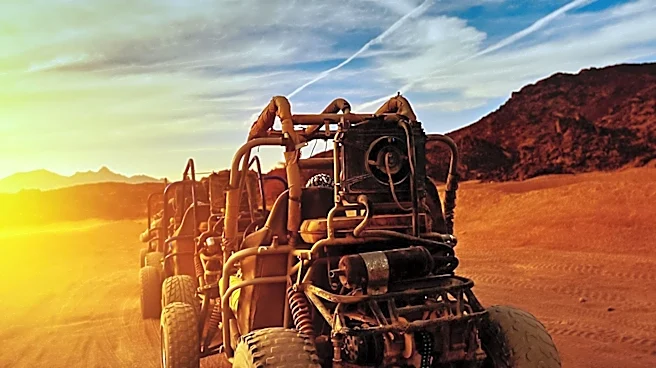
The Las Vegas area provides numerous outdoor adventure options for those looking to explore nature away from the city's typical attractions. Red Rock Canyon, located a few miles west of Las Vegas, encompasses 195,819 acres within the Mojave Desert and
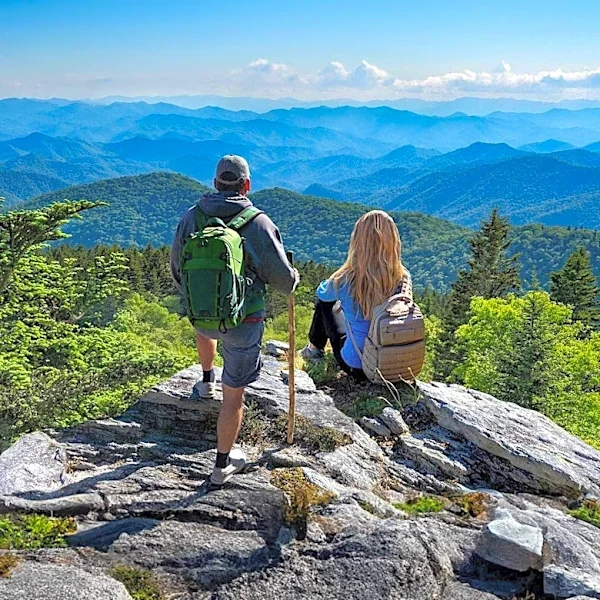
offers a 13-mile scenic drive, hiking trails, rock climbing, biking, and camping. Lake Mead, situated between Las Vegas and Boulder City, is another significant outdoor destination where visitors can engage in hiking, fishing, biking, and boating. A visit to Lake Mead is often combined with a trip to the Hoover Dam, which offers both self-guided visitor center tours and guided dam or power plant tours. Additionally, Grand Canyon West, a two-hour drive from Las Vegas, provides scenic views and various activities for nature enthusiasts. For those seeking a different kind of thrill, Speed Vegas offers a supercar driving experience on a 1.3-mile racetrack with various high-performance vehicles.
Why It's Important?
The availability of diverse outdoor activities near Las Vegas is important for several reasons. It broadens the appeal of the region beyond its traditional entertainment offerings, attracting a wider range of tourists, including nature enthusiasts and adventure seekers. This diversification can contribute to the local economy by supporting businesses related to outdoor recreation, such as tour operators, equipment rentals, and hospitality services in surrounding towns like Boulder City. Furthermore, promoting outdoor activities can enhance the well-being of both tourists and residents by providing opportunities for physical activity and exposure to natural environments. The proximity of these natural wonders, like Red Rock Canyon and Grand Canyon West, allows for convenient day trips, making outdoor adventures accessible to a larger population visiting or residing in the Las Vegas metropolitan area.
What's Next?
As cooler months approach, the region anticipates an increase in visitors seeking outdoor activities, prompting continued promotion of these natural attractions. Local tourism boards and businesses are likely to highlight the accessibility and variety of experiences available, from the serene landscapes of Lake Mead to the adventurous trails of Red Rock Canyon. There may be an emphasis on combining visits to iconic landmarks like the Hoover Dam with outdoor excursions to create comprehensive travel itineraries. The continued development and maintenance of these natural areas will be crucial to sustain their appeal and accommodate growing interest. Additionally, specialized attractions like Speed Vegas may continue to draw a niche market interested in high-performance driving experiences, further diversifying the recreational landscape of the area.
Beyond the Headlines
Beyond the immediate economic and recreational benefits, the emphasis on outdoor adventures near Las Vegas highlights a broader trend in tourism towards experiential travel and a desire for connection with nature. This shift can have long-term implications for urban development and conservation efforts in the region. As more visitors are drawn to natural sites, there will be increased pressure on local authorities and conservation groups to manage these areas sustainably, balancing tourism with environmental protection. The promotion of these natural assets also subtly rebrands Las Vegas, moving beyond its 'Sin City' image to one that embraces its unique geographical context and the natural beauty of the Mojave Desert. This could foster a greater appreciation for the ecological significance of the area and encourage responsible tourism practices among visitors.