




What's Happening?
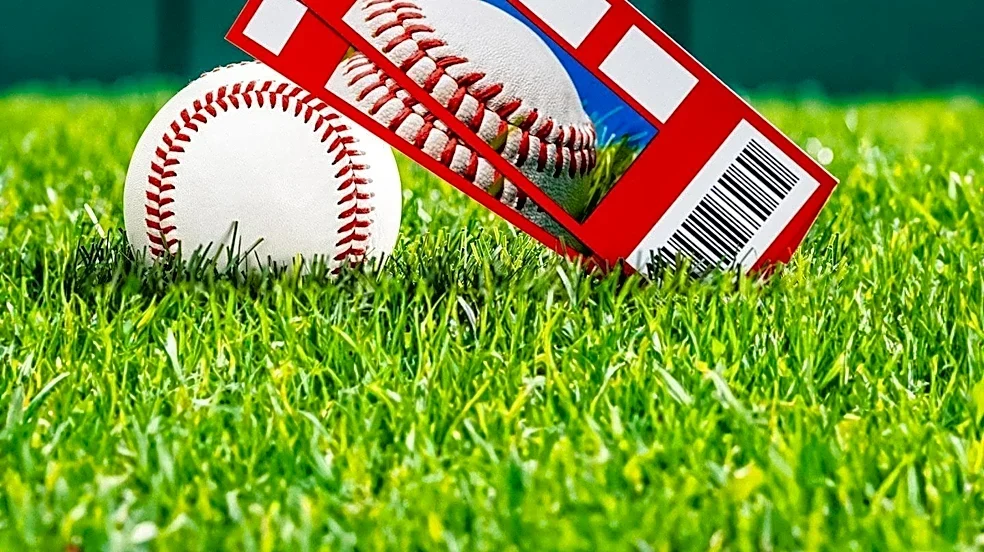
The Milwaukee Brewers are facing backlash from a fan regarding the redemption of their 'Timeless Tickets' for the 2026 World Series. In 2015, the Brewers sold 1,000 'Timeless Tickets' for $1,000 each, promising buyers the 'best available' seats to any
future home game, including the World Series. Longtime fan Danny Fochesato attempted to redeem his ticket for the 2026 World Series to attend with his 76-year-old father. However, he was informed that seating options were limited to corner and terrace sections, rather than the premium lower-box seating he had anticipated based on the original promotion. Fochesato expressed disappointment, stating that the team did not honor the spirit of the decade-old promise. While he was ultimately able to secure one Game 1 seat in the right-field corner and purchased additional terrace-level seats for his family for Game 2, he felt the process was not the reward he expected. The Brewers organization has not yet responded to inquiries regarding their redemption policy for these tickets during the World Series.
Why It's Important?
This situation highlights potential issues with long-term promotional offers and their execution, particularly when significant events like the World Series occur. For sports franchises, maintaining fan trust and honoring commitments, even those made years in advance, is crucial for public relations and long-term loyalty. The perceived failure to deliver on the 'best available' seating promise could damage the Brewers' reputation among their fanbase and potentially deter future participation in similar unique promotions. For consumers, this serves as a reminder to carefully scrutinize the terms and conditions of long-term offers, as interpretations and circumstances can change over time. The emotional impact on fans, such as Fochesato's desire to share a premium experience with his father, underscores the personal value placed on such opportunities and the disappointment when expectations are not met. This incident could lead to increased scrutiny of how sports teams manage and fulfill special ticket packages.
What's Next?
The Milwaukee Brewers organization is expected to address the concerns raised by 'Timeless Ticket' holders, particularly given the public nature of the complaint. Their response, or lack thereof, will likely influence public perception and potentially impact future fan engagement initiatives. Other sports teams offering similar long-term or unique ticket promotions might review their own policies and communication strategies to avoid similar situations. Fans who hold 'Timeless Tickets' or similar long-term passes for other events may become more proactive in seeking clarification on redemption terms as major events approach. This incident could also prompt discussions within the sports industry about the ethical implications of promotions that promise future benefits without clearly defined parameters for high-demand events.
Beyond the Headlines
Beyond the immediate issue of ticket redemption, this situation touches upon the evolving relationship between sports franchises and their most loyal fans. The 'Timeless Ticket' concept was designed to foster deep, long-term loyalty, but its execution in a high-stakes scenario like the World Series reveals the fragility of such promises when demand and value escalate. It raises questions about the perceived value of loyalty programs and whether teams prioritize short-term revenue from new ticket sales over honoring past commitments to dedicated supporters. The incident also highlights the challenge of forecasting future demand and managing expectations for events that are years away. The emotional investment of fans, as exemplified by Fochesato's desire to create a memorable experience with his father, underscores that these are not just transactional exchanges but often deeply personal connections to a team. The outcome of this dispute could set a precedent for how similar long-term fan engagement programs are managed across professional sports.