


What's Happening?
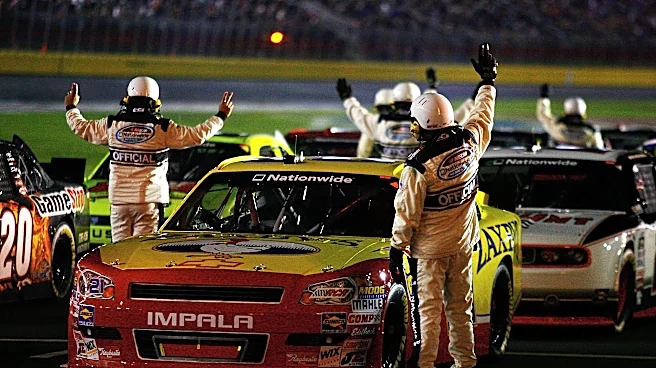
The CW Network announced that its 2026 broadcasts of the NASCAR O'Reilly Auto Parts Series achieved the highest viewership in five years. The season averaged 1,044,000 total viewers across 33 races, marking a year-over-year increase. The championship
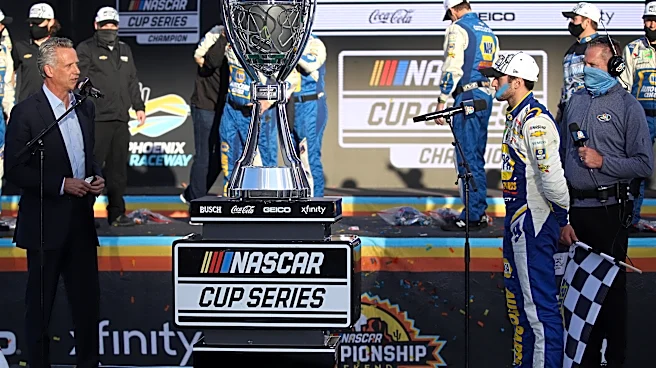
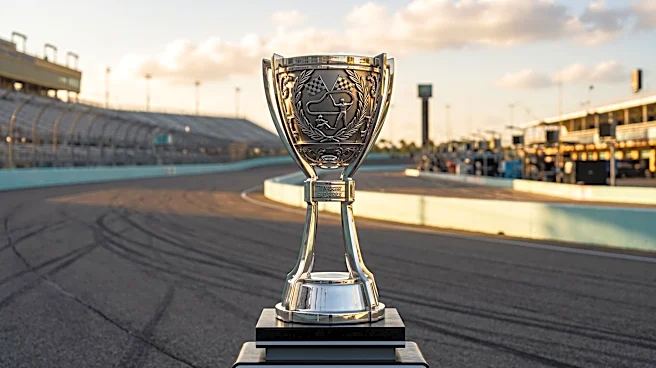
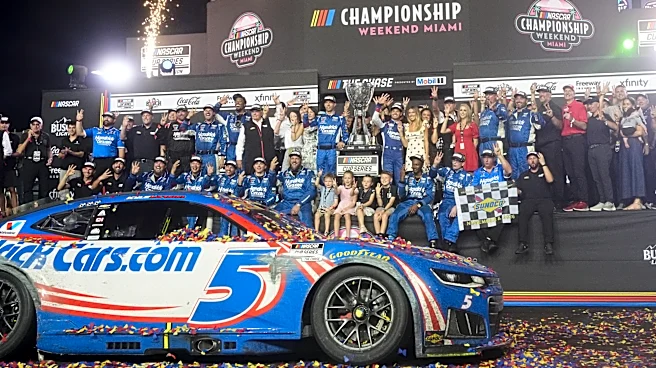
race, in particular, drew 1,181,000 total viewers, making it the strongest championship event since 2019. This performance represents the second consecutive year of growth for NASCAR viewership on The CW. Additionally, the Adults 18-49 demographic saw a 13% increase over the previous season. Nexstar Media Group, Inc., the owner of The CW, views these ratings as a positive indicator for its broadcast business.
Why It's Important?
This viewership growth is significant for both The CW Network and NASCAR. For The CW, it validates their investment in sports programming and demonstrates the potential for increased audience engagement, which can attract advertisers and boost revenue. For NASCAR, the sustained growth in viewership, especially among the key Adults 18-49 demographic, indicates a healthy and expanding fan base. This positive trend can enhance the sport's appeal to sponsors, teams, and potential new talent, ensuring its long-term viability and popularity. Strong viewership numbers are crucial for securing favorable media rights deals in the future and maintaining NASCAR's position as a major American sport.
What's Next?
The NASCAR O'Reilly Auto Parts Series is confirmed to return to The CW for the 2027 season, with broadcasts scheduled to begin on February 20, 2027, at Daytona International Speedway. The network will likely aim to build on the momentum from the 2026 season, potentially exploring new programming strategies or promotional efforts to further engage viewers and maintain the upward trend in ratings. Continued strong viewership could lead to increased advertising revenue for The CW and potentially influence future negotiations for NASCAR's media rights, as other networks observe the success of this partnership.
Beyond the Headlines
The success of NASCAR on The CW highlights a broader trend in television broadcasting where traditional networks are increasingly turning to live sports to attract and retain viewers in a fragmented media landscape. As streaming services proliferate, live sports remain a powerful draw for linear television, offering consistent viewership and advertising opportunities. This partnership demonstrates how niche sports content can find a significant audience on a network that might not be traditionally associated with major sports, potentially paving the way for other sports leagues to explore similar broadcast agreements. It also underscores the enduring appeal of motorsports in the U.S. and its capacity to adapt to changing media consumption habits.