


What's Happening?
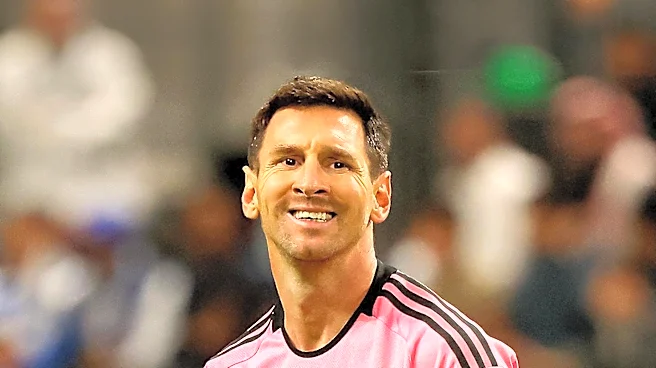
Getty photographers have shared their favorite iconic shots from the past five FIFA World Cup tournaments, offering insights into the beauty and emotion captured in moments of effort, grace, victory, and defeat. Shaun Botterill described his photo of Lionel
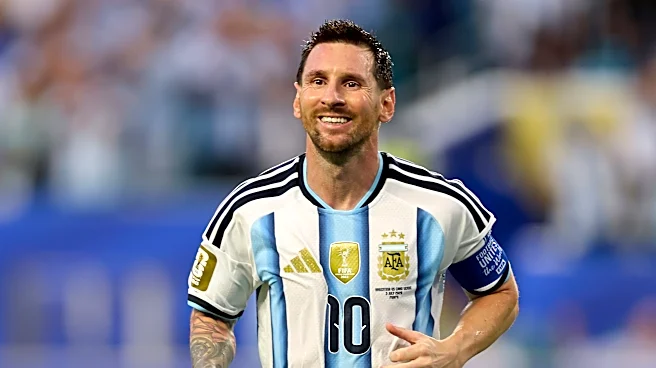
Messi celebrating with the 2022 World Cup trophy as a moment of luck and perfect timing, capturing Messi's open arms and smile. David Ramos detailed his exclusive access to the pitch after the 2018 final, allowing him to photograph Paul Pogba with the trophy amidst smoke and haze, creating a surreal atmosphere. Michael Steele recounted balancing on a barrier to capture Italian players touching the 2006 World Cup trophy en masse, emphasizing the impulsive and natural bonding of the team. Laurence Griffiths highlighted Nigel De Jong's controversial tackle on Xabi Alonso in the 2010 final as a moment that transcended the match and became part of football folklore. Matthias Hangst discussed the challenges and unique perspective of shooting from a stadium's 'catwalk' to capture a six-player header in the 2018 tournament. Maja Hitij shared her experience of capturing Lionel Messi embracing the trophy after receiving the Golden Ball award in 2022, noting its quiet yet powerful nature.
Why It's Important?
This collection of photographs and the stories behind them offer a unique perspective on the art and impact of sports photography. It underscores how photographers, through their technical skill and strategic positioning, capture fleeting moments that become enduring symbols of sporting history. The insights reveal the blend of planning, luck, and exclusive access required to produce such iconic images, influencing how major sporting events are remembered and perceived globally. For the sports industry, these images are crucial for marketing, historical archiving, and maintaining fan engagement, often shaping narratives around athletes and teams. The photographers' accounts also highlight the intense pressure and unique challenges of working at such high-profile events, from navigating crowds to ensuring safety while working at extreme heights. These images contribute significantly to the cultural legacy of the World Cup, providing visual touchstones that resonate with fans and the broader public for years, influencing future generations of athletes and sports enthusiasts.
What's Next?
As major sporting events continue, photographers will likely continue to innovate in their techniques and approaches to capture defining moments. The evolution of camera technology and access protocols will undoubtedly influence how these events are documented. Future World Cups and other global competitions will present new opportunities for photographers to create iconic imagery, potentially leveraging advancements in remote camera systems, drone technology, and artificial intelligence for image processing. The demand for compelling visual storytelling in sports is expected to grow, driven by social media and digital platforms, which will further elevate the role of sports photographers. Additionally, the narratives surrounding these images will continue to be explored in documentaries, exhibitions, and retrospectives, solidifying their place in sports history and cultural memory. The ongoing dialogue between photographers and the public about the stories behind these images will also likely continue to evolve, offering deeper insights into the human element of sports.
Beyond the Headlines
The curation of these iconic World Cup photographs delves deeper than mere event documentation; it explores the profound human element within competitive sports. Each image, as described by the Getty photographers, captures not just a moment of play but also the raw emotions of triumph, despair, and intense focus, reflecting universal human experiences. The ethical considerations of access and the responsibility of capturing sensitive moments are subtly highlighted, particularly in instances of controversial plays or intimate celebrations. These photographs transcend their immediate context to become cultural artifacts, influencing collective memory and shaping the perception of athletes as heroes or villains. They also demonstrate the power of visual media to convey complex narratives without words, fostering a global connection among diverse audiences. The technical challenges and artistic choices made by the photographers underscore the blend of craft and intuition required to elevate photojournalism to an art form, contributing to the broader cultural discourse on sports, heroism, and the human condition.