






What's Happening?
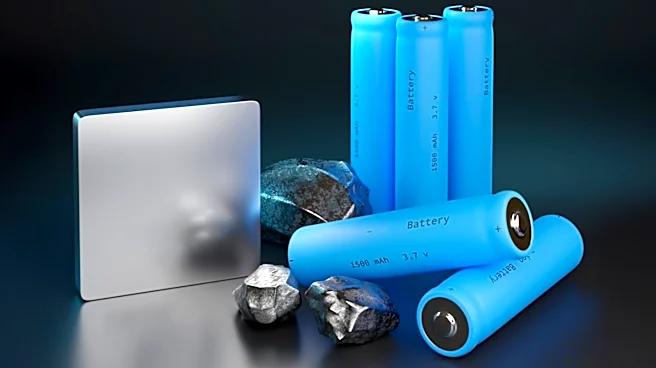
Researchers are investigating waterborne polyurethane (WPU) as a potential material for battery cathode coatings and electrode applications in lithium-ion batteries. This exploration is driven by the battery industry's push for higher-performance energy
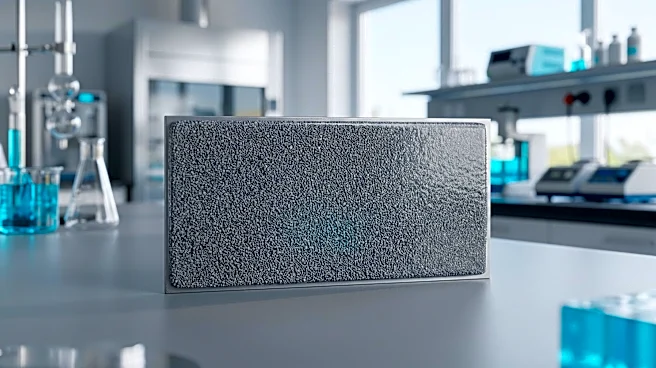
storage systems and new processing methods. A lithium-ion battery cathode is a composite electrode comprising active material, conductive additives, a binder, and a current collector. The binder, though a small component, significantly influences adhesion, mechanical integrity, particle distribution, and electrode durability. Traditional cathode manufacturing often uses polyvinylidene fluoride (PVDF) binders with N-methyl-2-pyrrolidone (NMP) as a processing solvent. The shift towards water-based processing aims to reduce reliance on organic solvents. WPU offers a flexible polymer platform with adjustable chemical structures, making it suitable for developing alternative polymer binder systems due to its adhesion, cohesion, flexibility, mechanical integrity, and film-forming properties. However, the suitability of WPU depends on careful evaluation of electrode chemistry, moisture sensitivity, electrochemical stability, and compatibility with the complete electrode formulation.
Why It's Important?
The development of advanced battery cathode coatings, particularly with materials like waterborne polyurethane, holds significant importance for the U.S. battery industry and its broader economic and environmental goals. By reducing the use of organic processing solvents like NMP, this research aligns with environmental regulations and sustainability initiatives, potentially lowering manufacturing costs and improving worker safety. Enhanced battery performance through improved binders can lead to more efficient and longer-lasting electric vehicles and grid-scale energy storage solutions, directly impacting the automotive and energy sectors. This innovation could also bolster U.S. competitiveness in the global battery market, reducing reliance on foreign supply chains for critical components. The ability to tailor polymer properties for specific battery chemistries could accelerate the commercialization of next-generation battery technologies, benefiting consumers through more reliable and affordable electronic devices and electric transportation. Furthermore, the research into water-based processing methods could create new manufacturing jobs and stimulate investment in domestic battery production facilities.
What's Next?
The next steps involve rigorous testing and evaluation of waterborne polyurethane in various battery-related applications. This includes assessing its dispersion stability, slurry compatibility, coating behavior, adhesion, mechanical properties, moisture management, electrolyte resistance, and electrochemical performance. Initial polymer screening will identify promising candidates, but final suitability will require testing within representative electrode formulations and full battery systems. Researchers will need to address key challenges such as moisture sensitivity of certain cathode active materials, compatibility with aluminum current collectors, and long-term stability in contact with battery electrolytes. The U.S. Department of Energy is actively involved in battery research and development, suggesting potential federal support and collaboration for these advancements. Successful integration of WPU could lead to its adoption in commercial battery manufacturing, potentially influencing industry standards and material selection for future battery designs.
Beyond the Headlines
The exploration of waterborne polyurethane in battery technology extends beyond immediate performance gains, touching upon broader ethical and environmental considerations. The move away from organic solvents like NMP addresses concerns about hazardous chemical use in manufacturing, promoting a safer and more environmentally friendly production process. This aligns with a global push for green chemistry and sustainable industrial practices. Furthermore, the ability to fine-tune polymer properties for specific battery chemistries could unlock new avenues for battery design, potentially leading to breakthroughs in energy density and cycle life. This could have profound implications for the circular economy, enabling longer-lasting products and reducing electronic waste. The research also highlights the complex interplay between material science, engineering, and environmental stewardship, underscoring the need for interdisciplinary approaches to solve critical technological challenges. The long-term impact could be a paradigm shift in how batteries are manufactured and utilized, fostering a more sustainable energy future.