






What's Happening?
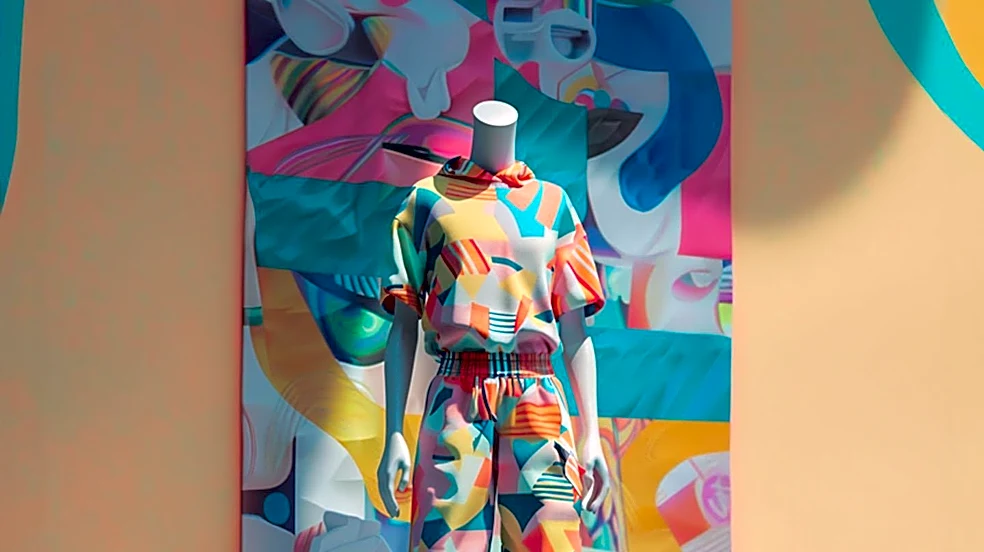
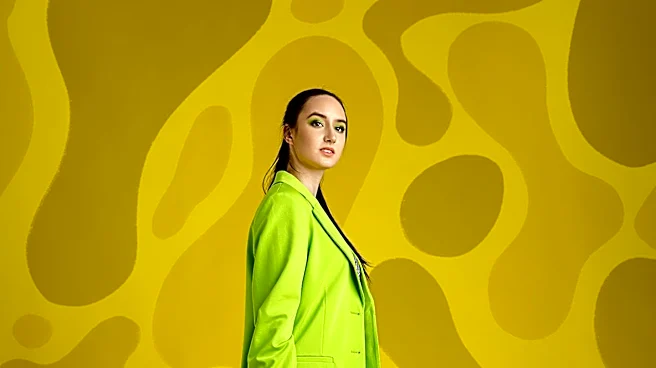
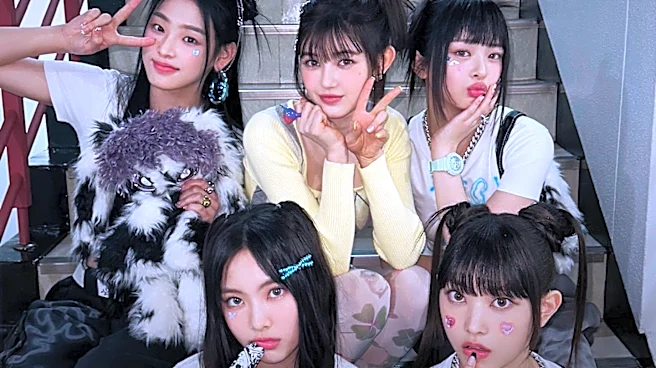
Gen Z is bringing a more relaxed and individualistic approach to workplace attire, viewing clothing as a form of self-expression. Unlike previous generations, trendy sneakers and casual fits are often considered acceptable, depending on the job. This
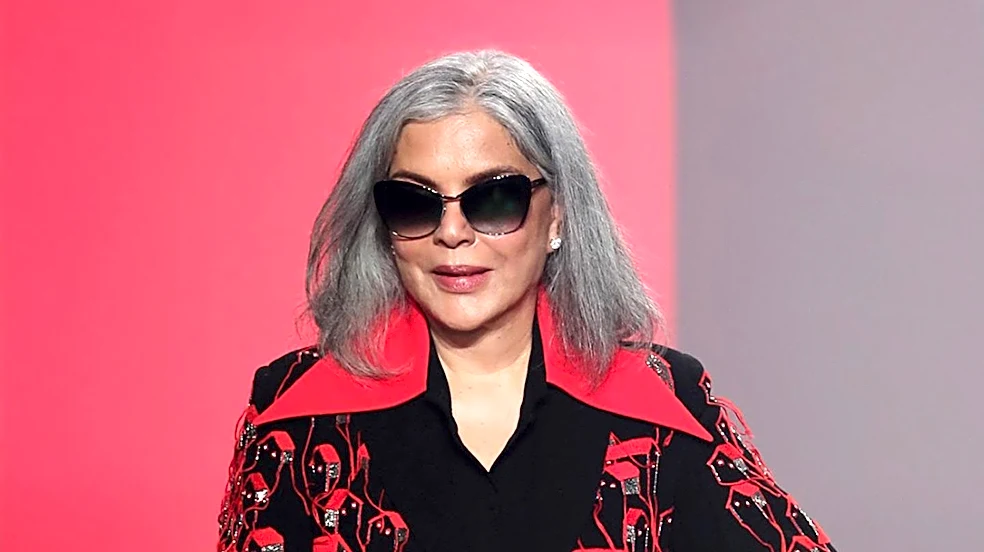
contrasts sharply with Baby Boomers, who typically associate a polished, put-together appearance with professionalism, favoring tailored suits and pressed shirts. Gen X, having grown up with the rise of business casual, appreciates a polished look but is less rigid, opting for blazers, button-downs, and slacks, with jeans acceptable for regular days. Millennials, who helped establish business casual as a daily norm, balance comfort with professionalism, using colorful outfits and trendy accessories to express personality. Gen Z's preference stems from a high value on comfort and authenticity, questioning why specific clothes should be deemed inappropriate if they don't hinder job performance, and finding traditional dress codes outdated.
Why It's Important?
This generational divergence in workplace attire has significant implications for U.S. businesses and corporate culture. Companies that fail to adapt to Gen Z's preferences risk alienating a growing segment of the workforce, potentially impacting recruitment and retention efforts. A rigid adherence to outdated dress codes can be perceived as a lack of understanding or flexibility, which is a key value for younger employees. Conversely, businesses that embrace more relaxed and inclusive dress policies can foster a more comfortable and authentic work environment, potentially boosting employee morale and productivity. This shift also challenges the traditional notion that professionalism is solely tied to formal attire, encouraging a re-evaluation of what constitutes appropriate workplace presentation. The fashion industry will also be impacted, as demand for traditional business wear may decline while casual yet stylish options for the office increase.
What's Next?
U.S. companies are likely to continue re-evaluating and updating their dress code policies to accommodate the evolving expectations of Gen Z. This could lead to more flexible and 'business casual' or 'smart casual' becoming the default, with formal attire reserved for specific client-facing roles or events. We may see a greater emphasis on individual expression within professional boundaries, allowing employees more freedom in their clothing choices. Human resources departments might develop clearer guidelines that focus on appropriateness and respect rather than strict adherence to traditional styles. Furthermore, the trend could influence office design, with more casual and collaborative spaces that align with a relaxed dress code. The retail sector will likely continue to see a rise in demand for versatile clothing that can transition from casual to professional settings, catering to Gen Z's desire for comfort and style.
Beyond the Headlines
The shift in workplace attire reflects deeper cultural changes regarding individualism, authenticity, and the blurring lines between personal and professional identity. For Gen Z, clothing is often an extension of their personal brand and a means of self-expression, making rigid dress codes feel restrictive and inauthentic. This generation's questioning of traditional norms extends beyond fashion to broader expectations about work-life balance, purpose-driven employment, and mental well-being. The move towards more comfortable attire can also be seen as a rejection of performative professionalism, where appearance is prioritized over actual contribution. Ethically, it raises questions about unconscious biases associated with dress and the potential for dress codes to perpetuate class or cultural inequalities. Embracing a more flexible approach can foster a more equitable and inclusive workplace, where diverse forms of expression are valued, and employees feel more empowered to bring their whole selves to work.