








What's Happening?
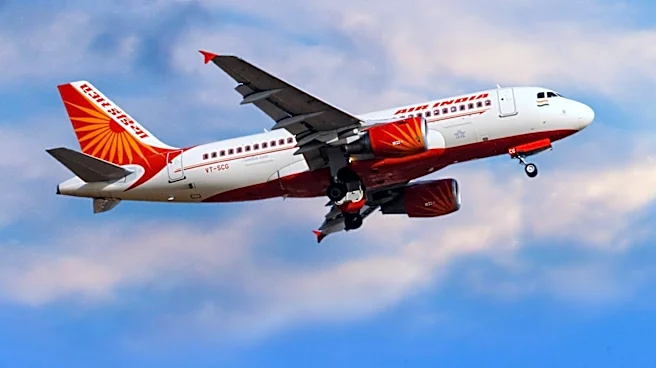
Air India has announced the resumption of non-stop flights from Delhi and Mumbai to New York (JFK) and Newark (EWR), following the easing of airspace restrictions. This development, effective from the first week of November, eliminates the need for technical
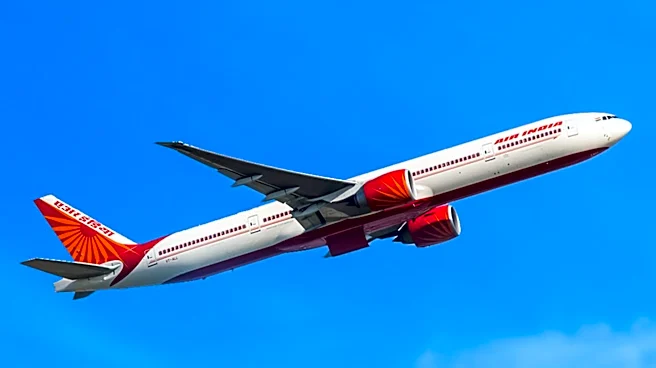
stops in Rome for refueling, which had been implemented due to airspace closures in Pakistan and restrictions across parts of West Asia. The airline is now utilizing Iraqi airspace for these routes. As a result, the total travel time for these flights has been reduced by approximately five hours, bringing the journey down to about 17 hours from the previous 22 hours. Air India operates daily flights from Delhi and Mumbai to New York JFK, four weekly services from Delhi to Newark, and three weekly services from Mumbai to Newark. The Delhi-New York routes are serviced by Airbus A350-900 aircraft, while the Mumbai-New York routes utilize Boeing 777-300ER planes.
Why It's Important?
The resumption of direct flights significantly benefits travelers between India and the United States, particularly those in New York and Newark. The reduction in travel time by up to five hours offers a more convenient and efficient journey, potentially increasing passenger demand for these routes. For Air India, this move enhances its competitive position in the lucrative India-U.S. aviation market by offering a more attractive travel option. The previous longer routings and refueling stops not only increased travel time but also likely incurred higher operational costs due to increased fuel consumption. By reverting to direct flights, Air India can improve its operational efficiency and potentially its profitability on these key international routes. This also signals a positive development for international air travel, indicating a partial normalization of airspace usage after periods of geopolitical tension and restrictions.
What's Next?
With the restoration of non-stop services, Air India is expected to solidify its market share on the India-U.S. routes. Passengers can anticipate continued direct service, offering improved travel experiences. The airline may also leverage this operational efficiency to potentially introduce more competitive fares or enhance onboard services to attract more travelers. Other airlines operating similar routes will likely observe Air India's performance and adjust their strategies accordingly, potentially leading to increased competition and benefits for consumers. The continued stability of airspace in the Middle East and surrounding regions will be crucial for maintaining these direct flight paths and avoiding future disruptions.
Beyond the Headlines
The operational challenges faced by Air India, necessitating technical stops due to airspace restrictions, highlight the broader impact of geopolitical events on global commerce and travel. The closure of Pakistani airspace and restrictions in West Asia underscore how regional conflicts can disrupt international aviation networks, leading to increased costs, longer travel times, and logistical complexities for airlines worldwide. The ability to utilize Iraqi airspace now suggests a dynamic and evolving geopolitical landscape, where air corridors can open and close based on regional stability. This situation also emphasizes the strategic importance of diverse flight path options for airlines to maintain operational resilience in an unpredictable global environment. The return to direct flights is not just a convenience for passengers but also a subtle indicator of shifting geopolitical dynamics affecting international connectivity.