


What's Happening?
Mercedes-Benz USA is aiming to achieve 400,000 annual retail sales in the U.S. market by 2030. This ambitious goal comes as the company reported 221,200 passenger vehicle sales in the first nine months of 2026, a 1% decrease compared to 2025 levels. The
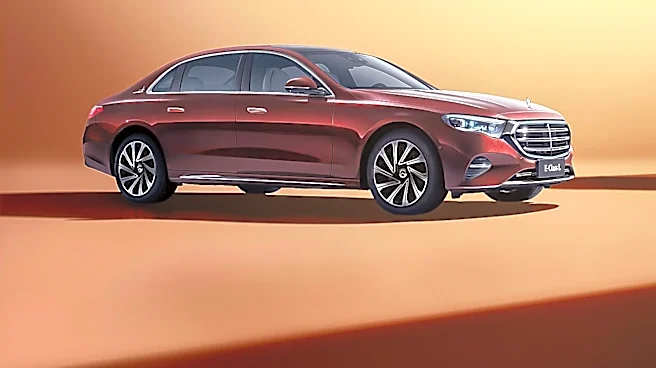
luxury automaker plans to rely on a significant refresh of its product lineup, starting with the 2027 model year GLE and GLS, and including new internal combustion and battery-electric models in 2028, such as a smaller G-Class with electric and hybrid options. Additionally, Mercedes-Benz USA is introducing complimentary maintenance in 2027 and has redesigned its compensation structure with its dealer board to improve relationships and sales performance. The company also seeks a healthier balance between lease and retail sales, anticipating increased customer returns to the market in 2029 and 2030.
Why It's Important?
This sales target is crucial for Mercedes-Benz USA as it navigates a competitive luxury automotive market in the U.S., where it currently trails rivals like Lexus and BMW in sales volume. Achieving 400,000 annual retail sales would signify a substantial market share gain and reinforce its position against other premium brands. The strategy of introducing new and refreshed models, including a strong push into electric and hybrid vehicles, is vital for meeting evolving consumer demands and regulatory pressures. The introduction of complimentary maintenance and a revised dealer compensation structure are significant moves to enhance customer loyalty and dealer engagement, both critical for long-term success in the automotive industry. Furthermore, with the brand facing challenges in the Chinese market, the U.S. market's performance becomes even more pivotal, potentially making it the automaker's largest market by 2027.
What's Next?
Mercedes-Benz USA will roll out its complimentary maintenance program in 2027, which will be integrated into the vehicle's sticker price. The company will also begin introducing new and refreshed models, starting with the 2027 GLE and GLS, followed by a range of internal combustion and battery-electric vehicles in 2028, including an electric and hybrid G-Class. Dealers will be evaluating the effectiveness of the redesigned compensation structure as it begins to impact their financial flows. The company anticipates a shift in customer behavior, with more consumers returning to the market for new purchases in 2029 and 2030, which will be a key period for assessing the success of their lease and retail sales balance strategy. The performance in the U.S. market will be closely watched, especially given the brand's struggles in China.
Beyond the Headlines
The aggressive sales target and product strategy by Mercedes-Benz USA highlight a broader trend in the automotive industry: the intense competition within the luxury segment and the rapid transition towards electrification. The focus on attracting new customers, with nearly 60% of 2026 retail sales being new to the brand, indicates a strategic effort to expand its customer base beyond traditional loyalists. The emphasis on complimentary maintenance and improved dealer relations also points to a recognition of the importance of the entire customer experience, from purchase to ownership, in fostering brand loyalty. This shift reflects a deeper understanding that product innovation alone is insufficient; comprehensive service and strong dealer partnerships are equally critical for sustained growth and market leadership in a dynamic automotive landscape.