










What's Happening?
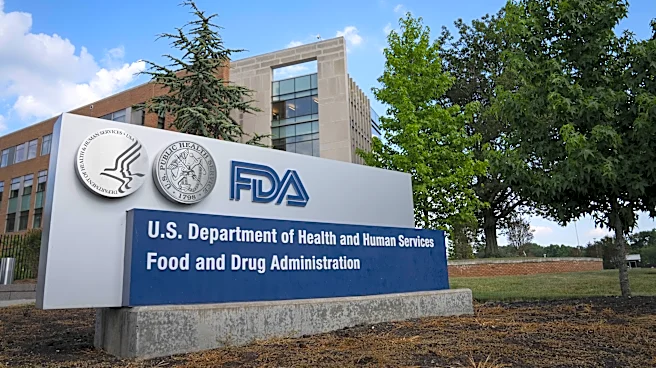
Moderna is navigating regulatory challenges as it aims to achieve a break-even point by 2028. The company's mRNA flu vaccine, mFluvisa, initially faced a setback when the FDA refused to review it due to issues with the pivotal study. However, following
industry pushback, the FDA accepted the application, and the vaccine has since gained strong support from an FDA advisory panel for approval in adults aged 50 and older. Moderna's strategy involves expanding its commercial portfolio, which currently includes COVID vaccines Spikevax and mNEXSPIKE, and the respiratory syncytial virus shot mRESVIA. The company plans to market over seven products by 2027-28 across respiratory, oncology, and rare disease sectors. The FDA's decision on mFluvisa is expected by August 5, which could impact Moderna's ability to seek clarity on its combination flu and COVID shot, mCombriax.
Why It's Important?
Moderna's efforts to expand its vaccine portfolio are crucial for its financial strategy, particularly in light of the FDA's initial rejection of mFluvisa, which was projected to contribute significantly to the company's revenue by 2028. The approval of mFluvisa could enhance Moderna's market position and enable further regulatory discussions for its combination vaccines. This development is significant for the biotech industry as it highlights the regulatory hurdles companies face in bringing new vaccines to market. The outcome of these regulatory processes could influence investment and innovation in mRNA technology, impacting public health strategies and the availability of advanced vaccines.
What's Next?
The FDA's upcoming decision on mFluvisa will be pivotal for Moderna's future plans. A positive outcome could facilitate the approval process for mCombriax and other pipeline products. Moderna's continued focus on R&D, including personalized cancer vaccines and new treatment modalities, suggests a strategic push towards diversifying its product offerings. The company's ability to navigate regulatory landscapes and achieve its break-even goal will likely influence its long-term growth and competitiveness in the biotech sector.