






What's Happening?
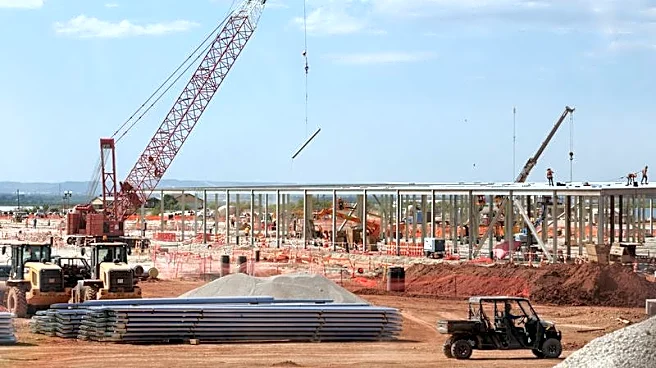
Equinor has commenced operations at its largest U.S. energy storage project to date, the Citrus Flatts Energy Center, located in Harlingen, Texas. This 100MW/200MWh battery facility marks the fifth battery storage site Equinor has brought into commercial
service over the past four years. The project was completed by East Point Energy, a wholly-owned subsidiary of Equinor. The Citrus Flatts facility, combined with East Point Energy's previously launched 10MW/20MWh Sunset Ridge facility, can power approximately 30,000 Texas households for up to two hours. Both projects operate on a merchant basis within the Electric Reliability Council of Texas (ERCOT) market. Equinor's onshore renewables Americas vice-president and East Point Energy board chair, Christian Lie Hansen, stated that the activation of these facilities aligns with Equinor's goal to expand its integrated power business and provide flexible, reliable energy solutions in key power markets. Beyond Texas, Equinor is also developing four additional battery storage projects in Virginia's PJM power market, with a combined capacity of 80MW/160MWh, expected to be operational in early 2027.
Why It's Important?
The activation of the Citrus Flatts Energy Center is a significant step in bolstering energy security and grid stability within Texas, and by extension, the broader U.S. energy landscape. Battery storage systems play a crucial role in balancing electricity supply and demand, particularly as renewable energy sources like wind and solar become more prevalent. By storing surplus electricity during periods of low demand and releasing it during peak times, these facilities help prevent blackouts and ensure a consistent power supply. This project underscores the growing investment in energy storage solutions, which are essential for integrating intermittent renewable energy into the grid effectively. For Equinor, this move strengthens its position as an independent power producer and expands its presence in the U.S. onshore power market, aligning with its strategy to capture value across the entire energy chain. The success of such projects can serve as a model for other states and utilities looking to enhance grid resilience and transition towards a more sustainable energy infrastructure.
What's Next?
Following the successful launch of Citrus Flatts, Equinor is set to continue its expansion in the U.S. energy storage sector. The company anticipates the operationalization of four more battery storage projects in Virginia's PJM power market by early 2027, which will add another 80MW/160MWh of capacity. This ongoing development indicates a sustained focus on growing its integrated power business and delivering flexible energy solutions. The performance of these projects in the ERCOT and PJM markets will likely influence future investment decisions and strategies for Equinor and other energy companies. Furthermore, the increasing deployment of battery storage facilities like Citrus Flatts will contribute to the evolution of energy markets, potentially leading to more dynamic pricing mechanisms and enhanced grid management techniques. The continued integration of such technologies is expected to support the broader U.S. goal of transitioning to a cleaner, more reliable energy system.
Beyond the Headlines
The strategic importance of battery storage facilities like Citrus Flatts extends beyond immediate grid stability. These projects are foundational to the long-term decarbonization efforts in the U.S. by enabling a higher penetration of renewable energy sources. As the nation moves away from fossil fuels, the ability to store and dispatch clean energy becomes critical for maintaining grid reliability and preventing energy waste. The investment by a major international energy company like Equinor in U.S. battery storage also signals a broader global trend towards diversified energy portfolios and a commitment to sustainable practices. This shift has implications for technological innovation, as demand for more efficient and cost-effective battery technologies will drive further research and development. Moreover, the economic impact includes job creation in construction, operation, and maintenance of these advanced energy infrastructures, contributing to local economies and fostering a skilled workforce in the renewable energy sector.