




What's Happening?
Consumer products in the U.S. are increasingly adopting colors inspired by food and beverages, such as matcha green, ube purple, butter yellow, and cherry red. This trend is evident across various categories, including home decor, electronics, and small
household appliances. For instance, Amazon has released Kindle e-readers in 'Ube' (a bright lavender) and 'Fig' colors, with a matcha-colored Kindle from 2024 becoming a bestseller. SharkNinja, a small appliance manufacturer, now offers 30 food-themed colors, including air fryers in 'Butter Yellow' and 'Ginger Snap,' and hair-stylers in 'Strawberry Matcha.' Industry executives and retail experts suggest that these food-associated colors evoke tastes, textures, and experiences, giving products an appeal beyond their visual appearance. Social media content featuring food and drink is also believed to contribute to the familiarity and popularity of these color associations among consumers. Online searches for food-inspired colors on platforms like eBay and Pinterest have shown significant increases, indicating strong consumer interest.
Why It's Important?
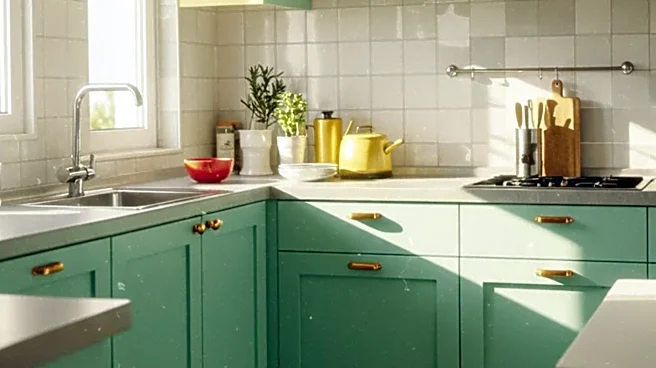
This trend signifies a notable shift in consumer product design and marketing strategies within the U.S. market. By leveraging the emotional and sensory connections people have with food, brands can create more engaging and relatable products. The use of food-inspired colors taps into a broader cultural phenomenon where food plays a central role in lifestyle and aesthetics, amplified by social media. For businesses, this approach offers a fresh way to differentiate products in competitive markets and resonate with consumers seeking comfort, nostalgia, or a sense of 'deliciousness' in their everyday items. It also highlights the influence of contemporary food culture on purchasing decisions, extending beyond the kitchen to impact home furnishings, personal electronics, and fashion. This trend can lead to increased sales and brand loyalty for companies that successfully integrate these appealing color palettes, while those that fail to adapt might miss out on a significant market opportunity.
What's Next?
The continued rise of food-inspired colors suggests that this trend will likely expand further across more product categories in the U.S. market. Consumer trend forecasters, such as WGSN and the Pantone Color Institute, are already paying closer attention to food-related hues to predict future directions in fashion and interior design. This could lead to more brands incorporating these palettes into their product lines and marketing campaigns. However, interior designers like Eric Goranson advise moderation, suggesting that while accent pieces in trendy colors can be effective, large-scale investments in highly specific, vivid hues might become obsolete quickly. This indicates a potential future where consumers might favor more subtle or versatile food-inspired shades for long-term purchases, while bolder colors are reserved for accessories or temporary decor. The ongoing influence of social media will also continue to shape and propagate these color trends.
Beyond the Headlines
The adoption of food-inspired colors reflects a deeper psychological and cultural shift in consumer behavior. The COVID-19 pandemic, which led many to spend more time cooking and engaging with food at home, likely intensified this connection. Food has become a source of comfort, creativity, and social expression, and translating these associations into product aesthetics allows consumers to extend those positive feelings into other aspects of their lives. This trend also blurs the lines between different sensory experiences, suggesting that visual cues can powerfully evoke taste, smell, and emotional responses. It highlights how brands are increasingly moving beyond purely functional or aesthetic design to tap into deeper emotional and experiential connections with their audience, creating products that are not just used but 'felt' and 'experienced' in a more holistic way. This could lead to a more multisensory approach to product development in the future.