




What's Happening?
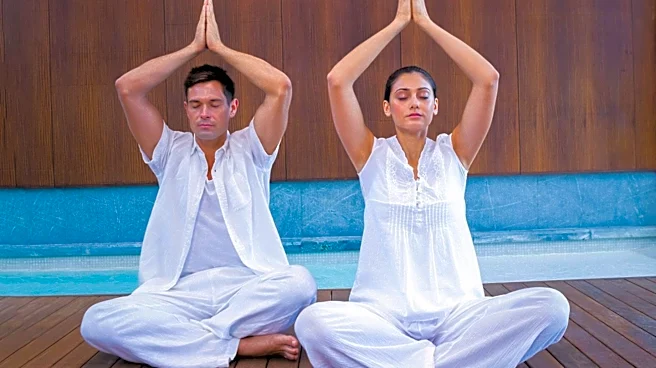
Dr. Annamaria Acquaviva, a dietitian, nutritionist, and health coach, is leading 'In Forma' health retreats at the Palazzo di Varignana hotel in Italy. Dr. Acquaviva holds a first-class honors degree from the Medicine and Surgery Faculty at the University
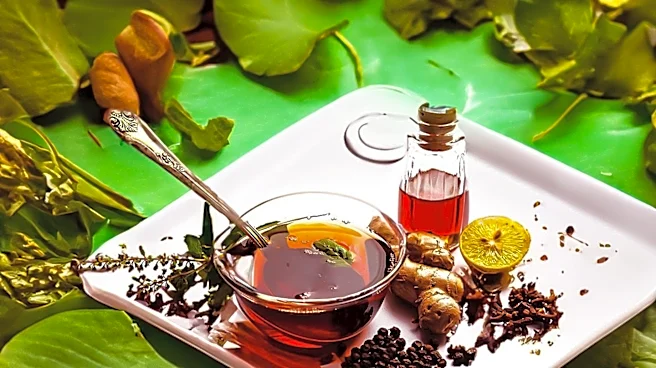
of Bologna and has extensive clinical experience in various hospital departments, including Nephrology, Pediatrics, Metabolic Disorders, Eating Disorders, Great Obesity, and Endocrinology. Her retreats are founded on a philosophy called 'ARS VIVENDI,' which translates to 'the art of living well.' These programs are designed to be innovative, incorporating the latest scientific findings to stimulate metabolic activity, combat oxidative stress, and bolster the immune system. Dr. Acquaviva also designed the retreat menu, which emphasizes healthy eating with locally sourced produce, including an award-winning extra virgin olive oil. She is also a member of the Board of Directors of ASAND (Technical Scientific Association of Food, Nutrition and Dietetics), an author of the blog HealthRevolution, a social media influencer, and the author of the book 'Bambini a Tavola. Quasi un gioco!' (Children at the table. Almost a game!).
Why It's Important?
The growing interest in wellness and health retreats, as exemplified by Dr. Acquaviva's programs, reflects a broader societal shift towards proactive health management and holistic well-being. For U.S. consumers, these international retreats offer specialized approaches to health that may not be as readily available or integrated within conventional healthcare systems. The emphasis on scientific findings, personalized nutrition, and locally sourced ingredients aligns with increasing consumer demand for evidence-based wellness solutions and sustainable practices. While these specific retreats are located in Italy, their popularity underscores a global trend that influences the U.S. wellness industry, potentially inspiring similar programs or increasing demand for health-focused travel. The involvement of a credentialed expert like Dr. Acquaviva also highlights the professionalization of the wellness industry, moving beyond fads to incorporate medical and nutritional expertise, which can set new standards for wellness offerings both domestically and internationally.
What's Next?
The continued success and visibility of retreats like those led by Dr. Acquaviva could further popularize the concept of medical wellness tourism. This may lead to an increased demand for similar scientifically-backed health and wellness programs, potentially influencing U.S. hospitality and healthcare sectors to develop more integrated and specialized offerings. Travel agencies and wellness platforms are likely to continue promoting such international destinations to U.S. clients seeking unique health experiences. Furthermore, the 'ARS VIVENDI' philosophy, focusing on metabolic activity, oxidative stress, and immune support, could inspire new research and program development in the U.S., as health professionals and institutions look to incorporate holistic and preventive approaches into their practices. Dr. Acquaviva's work in popularizing science-based healthy eating through various media also suggests a future trend where wellness experts leverage digital platforms to reach a wider audience, potentially impacting dietary and lifestyle choices globally.
Beyond the Headlines
The rise of specialized wellness retreats, particularly those led by medical professionals like Dr. Acquaviva, signifies a deeper cultural shift towards viewing health not merely as the absence of illness, but as a continuous state of optimal well-being. This trend challenges traditional healthcare models by emphasizing prevention, personalized care, and lifestyle interventions. The integration of local, sustainable food practices, as seen in the Palazzo di Varignana retreats, also highlights a growing awareness of the interconnectedness between personal health and environmental well-being. For U.S. society, this could lead to a re-evaluation of dietary guidelines, a greater emphasis on food sourcing, and a more holistic approach to public health initiatives. The focus on 'the art of living well' also touches upon the psychological and emotional dimensions of health, suggesting a move towards addressing mental and emotional well-being as integral components of overall health, rather than isolated concerns.