



What's Happening?
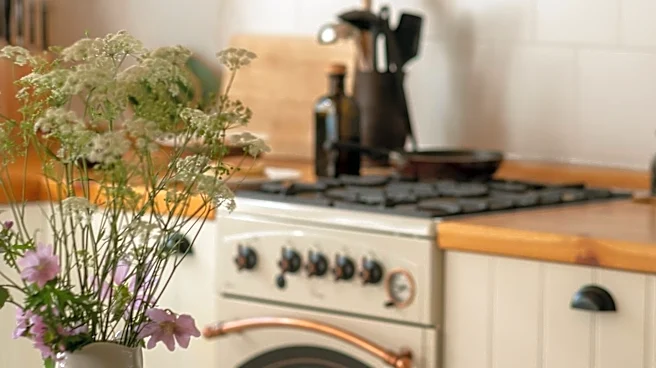
The cottagecore decor trend emphasizes handmade, sustainable, and eco-friendly products, drawing inspiration from a romanticized rural life. This aesthetic is characterized by items such as vintage gold-framed canvas wall art, often featuring whimsical
or nature-inspired scenes like frogs in boats or aviator frogs riding crowned geese. Other popular elements include vintage country goose decor and green gingham bedding, reflecting a desire for comfort and nostalgia. Online platforms like Cottagecore.in, eBay, and Etsy are key marketplaces for these items, with shops like folkloreandfablesart offering digital art and restored vintage pieces that align with the cottagecore and bookish aesthetic. The trend extends to various home decor items, including art for bedrooms, offices, nurseries, and gallery walls, often incorporating themes like dark academia, gothic, western, botanical, and animal motifs.
Why It's Important?
The rise of cottagecore decor signifies a broader cultural shift towards sustainability, artisanal craftsmanship, and a rejection of mass-produced goods. This trend impacts U.S. industries by boosting demand for small businesses, independent artists, and vintage resellers, fostering a more localized and ethical consumption model. It also reflects a consumer preference for unique, character-filled items over minimalist or modern designs, influencing interior design trends and product development in the home goods sector. The emphasis on eco-friendly and sustainable products encourages manufacturers and retailers to adopt more responsible production practices, potentially leading to a greater availability of environmentally conscious options in the market. Furthermore, the aesthetic provides a sense of escapism and comfort, resonating with individuals seeking to create serene and nostalgic living spaces.
What's Next?
The cottagecore trend is likely to continue evolving, potentially integrating with other aesthetic movements such as 'grandmillennial' or 'dark academia' to create hybrid styles. We can anticipate a continued growth in demand for vintage and upcycled furniture, textiles, and decorative objects. Online marketplaces will remain crucial for connecting artisans and sellers with consumers interested in unique, handmade items. Retailers may also expand their offerings to include more cottagecore-inspired collections, focusing on natural materials, floral patterns, and rustic elements. There could also be an increased interest in DIY projects and workshops related to cottagecore decor, as consumers seek to personalize their spaces and engage in creative pursuits. The focus on sustainability within the trend may also drive innovation in eco-friendly home decor materials and production methods.
Beyond the Headlines
Beyond its aesthetic appeal, cottagecore reflects a deeper societal yearning for simplicity, connection to nature, and a slower pace of life, particularly in an increasingly digital and fast-paced world. It can be seen as a form of escapism, offering a romanticized vision of rural tranquility and self-sufficiency. This cultural phenomenon also highlights a growing appreciation for traditional crafts and skills, potentially revitalizing interest in forgotten arts like embroidery, pottery, and woodworking. Ethically, the emphasis on handmade and sustainable products challenges the fast-fashion and disposable culture, promoting conscious consumption and supporting local economies. The trend also fosters a sense of community among enthusiasts who share a common appreciation for its values and aesthetics, often through online forums and social media groups, creating a subculture that extends beyond mere interior design.