





What's Happening?
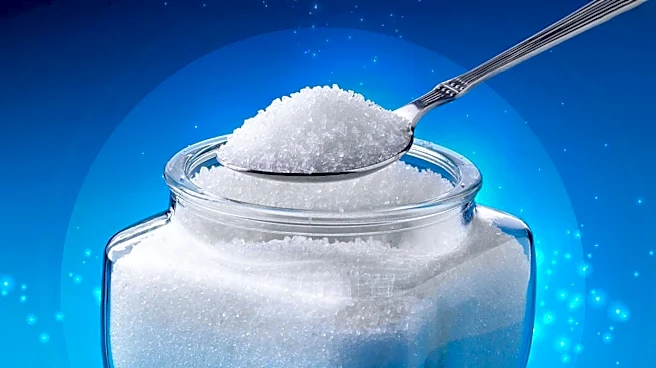
Dole powder drink mix is facing increased scrutiny from consumers due to its ingredient list, which typically includes sugar, dextrose, modified food starch, natural and artificial flavors, citric acid, ascorbic acid (vitamin C), and artificial colors
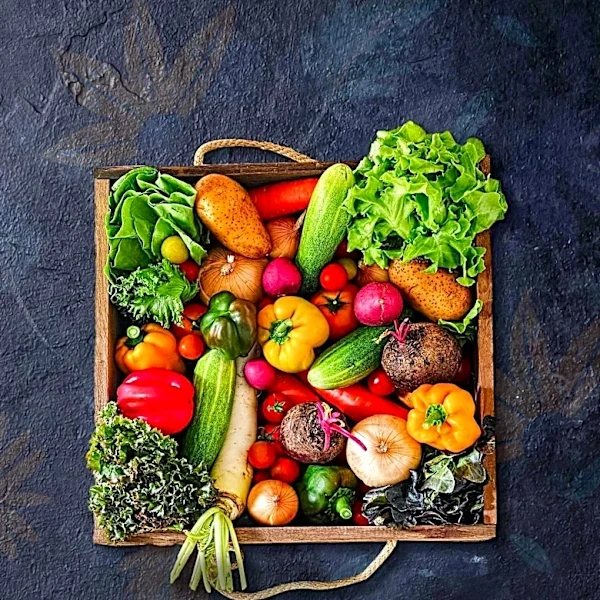
like Yellow 5 and Red 40. A standard 31-gram serving, when mixed with water, provides approximately 120 calories, 31 grams of carbohydrates, and 24 grams of sugar, according to product labeling. The product's formulation prioritizes taste and shelf stability over nutritional benefits such as protein, fiber, or minimal processing. While it offers a significant portion of the daily value for vitamin C, this benefit is often overshadowed by its high added sugar content. Dietitians highlight that essential vitamin C can be obtained from fruits and vegetables with far less added sugar and fewer artificial ingredients. The absence of fiber, protein, and healthy fats further limits the drink's ability to promote satiety or maintain stable blood glucose levels.
Why It's Important?
The ongoing debate surrounding Dole powder drink mix reflects a broader shift in consumer preferences towards healthier, more transparent food and beverage options in the U.S. market. As health consciousness grows, products high in added sugars and artificial additives are increasingly viewed with skepticism. This trend impacts the food and beverage industry, pushing manufacturers to reformulate products or clearly communicate nutritional information. For consumers, understanding the nutritional profile of such products is crucial for managing dietary intake, especially for those monitoring blood sugar or seeking nutrient-dense alternatives. The prevalence of high-sugar drinks contributes to public health concerns related to obesity, type 2 diabetes, and dental health. The scrutiny on Dole powder drink mix underscores the importance of reading food labels and making informed choices, influencing purchasing decisions and potentially driving demand for healthier alternatives.
What's Next?
The increased consumer awareness and scrutiny of products like Dole powder drink mix are likely to continue driving demand for healthier alternatives. This could lead to further product reformulations by manufacturers, focusing on reduced sugar content, natural ingredients, and the elimination of artificial colors and flavors. Companies may also invest in clearer labeling and marketing strategies that emphasize any nutritional benefits while being transparent about less desirable ingredients. Public health campaigns and dietary guidelines will likely continue to advocate for reduced sugar intake, further influencing consumer choices. The market may see an expansion of low-sugar powdered mixes, natural fruit concentrates, and whole-food options as consumers seek more balanced hydration and nutrient sources. This trend could also encourage the development of innovative products that offer convenience without compromising health.
Beyond the Headlines
The discussion around Dole powder drink mix extends beyond immediate health concerns to broader ethical and cultural dimensions within the food industry. The use of marketing language that emphasizes 'vitamin C goodness' and 'tropical taste' can create a perception of healthfulness that may not align with the product's overall nutritional profile. This raises questions about corporate responsibility in advertising and the potential for misleading consumers, particularly parents making choices for their children. The debate over artificial colors, despite regulatory approval, highlights ongoing concerns about their potential behavioral effects in sensitive populations. This situation reflects a growing societal demand for food products that are not only safe but also genuinely beneficial, pushing for a re-evaluation of industry practices and a greater emphasis on public health over mere palatability and shelf stability.