


What's Happening?
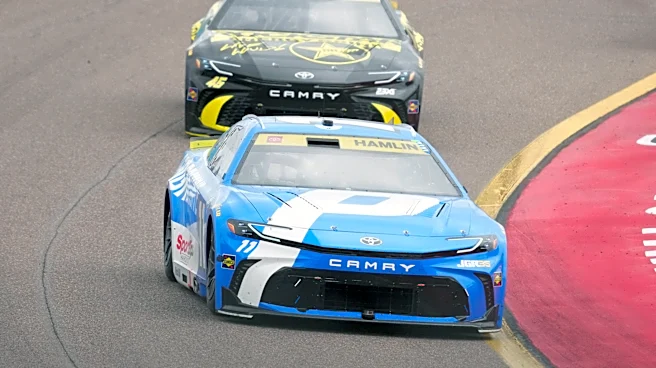
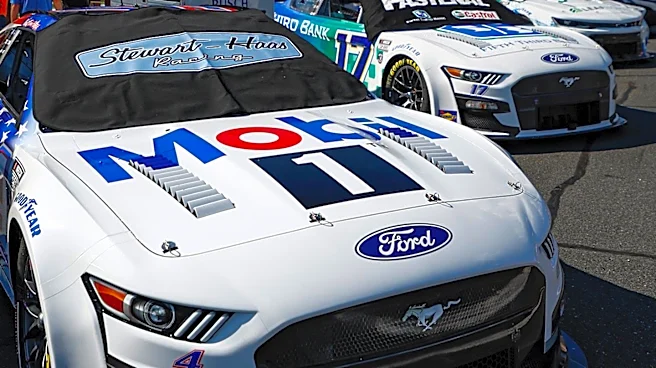
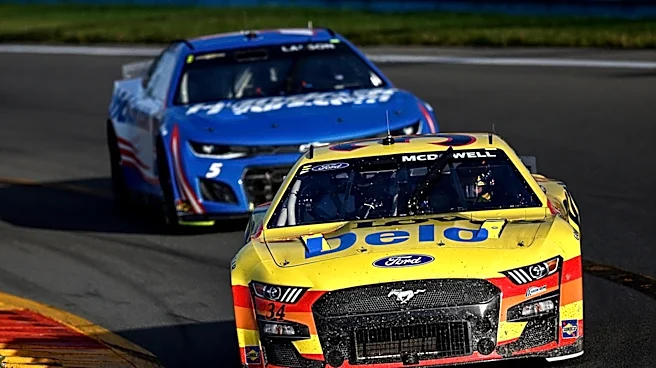
NASCAR drivers are expressing concerns about the potential impact of softer bumpers on the upcoming Cup race at Martinsville. Earlier this year, NASCAR mandated the removal of foam from front and rear bumpers for certain short track races, a change that
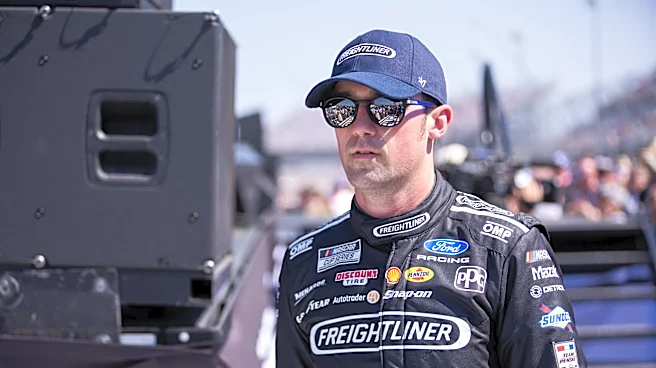
has not significantly affected previous events at North Wilkesboro, Richmond, and Bristol. However, Martinsville, known for its tight, one-groove track and frequent contact, is expected to present a different challenge. During practice, Ross Chastain experienced a mechanical issue, leading to Cody Ware colliding with his car, which resulted in visible damage to Ware's No. 51 entry. Austin Cindric of Team Penske believes the softer bumpers will play a role in the race's outcome, noting that crunching the snorkel could easily reduce a car's power. Christopher Bell of Joe Gibbs Racing emphasized the critical need for spotters to remind drivers about the softer bumpers due to the potential for significant changes during restarts and stack-ups.
Why It's Important?
The introduction of softer bumpers in NASCAR races, particularly at a track like Martinsville, represents a significant shift in racing strategy and driver behavior. Historically, drivers could use their bumpers more aggressively without fear of substantial damage, leading to a more physical style of racing. With softer bumpers, the risk of mechanical failure or performance degradation from contact increases, forcing drivers to be more cautious and precise. This change could alter the dynamics of the race, potentially reducing aggressive maneuvers and emphasizing strategic driving over brute force. For teams, it means a greater need for car preservation and potentially higher repair costs if contact occurs. For fans, it could lead to a different kind of spectacle, where the consequences of contact are more immediate and impactful, adding a new layer of tension and unpredictability to the race.
What's Next?
As the Martinsville Cup race approaches, drivers will need to adapt their strategies to account for the softer bumpers. Spotters will play a crucial role in guiding drivers through tight situations and reminding them of the increased vulnerability to damage. Teams will likely focus on minimizing contact and emphasizing car control, especially during restarts and in congested areas of the track. The outcome of this race will provide valuable data for NASCAR regarding the effectiveness and implications of the softer bumper rule. Depending on the severity and frequency of damage, NASCAR may re-evaluate the rule for future races or tracks. Drivers' feedback and the overall impact on race competitiveness and safety will be key factors in any subsequent decisions regarding bumper regulations.
Beyond the Headlines
The debate over softer bumpers touches upon a broader philosophical discussion within motorsports: the balance between spectacle and safety, and between aggressive racing and car preservation. While some fans and drivers might prefer the more robust, contact-heavy racing of the past, NASCAR's move towards softer bumpers could be seen as an effort to reduce the severity of impacts and potentially enhance driver safety, even if it means altering the traditional style of racing at certain tracks. This change also highlights the continuous evolution of racing technology and regulations, where small adjustments can have profound effects on the sport. It forces teams and drivers to constantly innovate and adapt, showcasing their skill not just in speed, but also in strategic thinking and car management under evolving conditions. The long-term implications could include a shift in car design, driver training, and even the types of tracks favored for certain racing styles.