




What's Happening?
FedEx Corp. has introduced FedEx Authenticated Delivery, a new premium delivery option designed to enhance the security of residential and commercial shipments in the U.S. and Canada. This service utilizes QR code authentication to ensure that packages
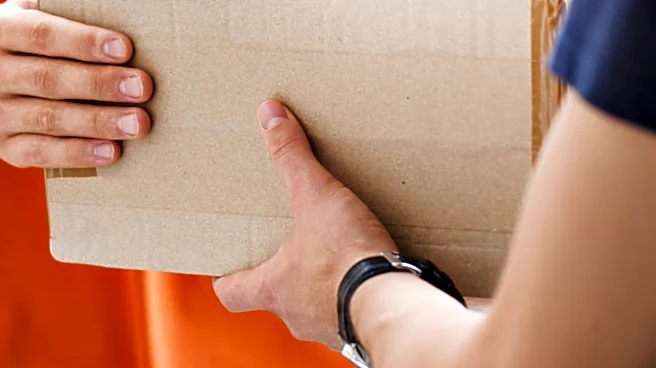
are released only to an authorized recipient, thereby mitigating risks such as fraud, theft, and misdelivery. When a shipper opts for this service, the recipient receives a unique QR code and delivery instructions via FedEx notifications. Upon delivery, the recipient must be present and provide this QR code to the FedEx driver for scanning and validation before the package is handed over. This process eliminates the need for a physical signature, streamlining the secure delivery experience. According to Neil Gibson, senior vice president, global customer experience at FedEx, this initiative is part of the company's commitment to building greater trust throughout the delivery process and protecting valuable shipments.
Why It's Important?
The introduction of FedEx Authenticated Delivery is a significant development for industries handling high-value and sensitive items, including luxury goods, electronics, healthcare, aerospace, and collectibles. By providing an additional layer of security through QR code authentication, FedEx aims to reduce financial losses associated with package theft and fraud, which have been growing concerns for both businesses and consumers. This service can instill greater confidence in e-commerce transactions involving expensive products, potentially encouraging more online sales in these sectors. For businesses, it offers a more secure method of ensuring their products reach the intended customers, reducing the need for costly replacements or customer service disputes. For consumers, it provides peace of mind, knowing that their valuable purchases are protected against unauthorized access. This move also reflects a broader trend in logistics towards leveraging technology to address security challenges and improve customer experience.
What's Next?
The immediate next step for FedEx will likely involve the continued rollout and promotion of FedEx Authenticated Delivery across eligible residential and commercial shipments in the U.S. and Canada. The company will focus on educating shippers and recipients about the benefits and process of this new service to encourage its adoption. We can anticipate that FedEx will monitor the effectiveness of this authentication method in reducing incidents of fraud and theft, potentially leading to further enhancements or expansions of the service. Competitors in the logistics industry may also observe the success of this initiative and consider developing similar secure delivery solutions to remain competitive. Furthermore, as more businesses and consumers become accustomed to this level of security, it could set a new standard for the delivery of high-value goods, influencing future industry practices and customer expectations.
Beyond the Headlines
This new authenticated delivery service by FedEx highlights a deeper societal shift towards prioritizing security and trust in the digital age, particularly in the context of physical goods delivery. The reliance on QR codes for authentication signifies a move away from traditional, often less secure, methods like physical signatures, embracing digital solutions for enhanced verification. This development also underscores the increasing value placed on data security and privacy, as the QR code acts as a unique, temporary identifier for each transaction. Ethically, it addresses the growing concern over package theft, which can disproportionately affect individuals and small businesses. Culturally, it reflects a growing expectation among consumers for seamless yet secure digital interactions, even in physical commerce. In the long term, such innovations could lead to a more integrated and secure supply chain, where every step of a package's journey is digitally verifiable, potentially influencing regulatory standards for package delivery and consumer protection.