






What's Happening?
Six young refugee athletes are making history as the first-ever Refugee Olympic Team to compete at the Youth Olympic Games, which commenced in Dakar, Senegal, on October 31. This milestone, welcomed by UNHCR, the UN Refugee Agency, highlights the transformative
power of sport for young people displaced by conflict. The team, comprising three young women and three young men from Africa, will compete in athletics, judo, and taekwondo alongside approximately 2,700 athletes globally. This event marks the first Olympic Games ever held on the African continent. Edem Wosornu, UNHCR’s Assistant High Commissioner for Protection, emphasized that these athletes demonstrate what refugees can achieve when given opportunities. The team is led by Chef de Mission Yiech Pur Biel, a UNHCR Goodwill Ambassador and refugee from South Sudan, who competed in the first Refugee Olympic Team at Rio 2016.
Why It's Important?
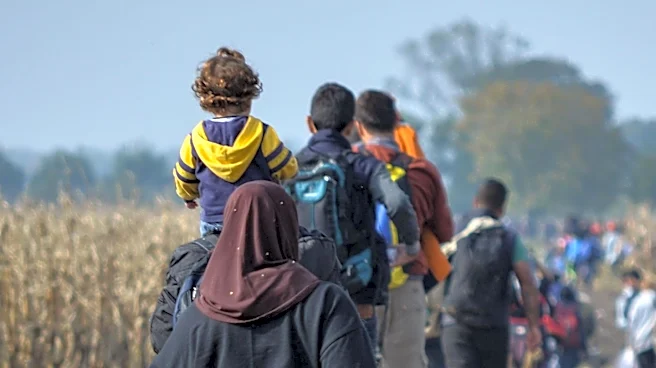
The participation of the Refugee Olympic Team at Dakar 2026 carries significant global importance. It provides a platform for young refugees to showcase their talent and resilience, challenging negative stereotypes and fostering a sense of belonging. This initiative underscores the International Olympic Committee's commitment to inclusivity and the humanitarian efforts supported by organizations like UNHCR. For the 117 million forcibly displaced people worldwide, including 39 million in sub-Saharan Africa, this team represents hope and the possibility of rebuilding lives through sport. The event also draws international attention to the plight of refugees and encourages governments, sports bodies, and the private sector to expand access to sports, education, and other opportunities for displaced youth.
What's Next?
Following their historic participation in Dakar 2026, the focus will be on ensuring that the opportunities created for these young refugee athletes extend beyond the Games. UNHCR is calling on global stakeholders to provide sustained support for young refugees' access to sport, education, and other avenues for development. The success of this team could pave the way for increased representation of refugee athletes in future Olympic events and other international competitions. The mentorship provided by figures like two-time Olympic marathon champion Eliud Kipchoge will continue to be crucial for their long-term development. The broader goal is to integrate more young refugees into mainstream society and empower them to achieve their full potential.
Beyond the Headlines
The Refugee Olympic Team's presence at Dakar 2026 transcends athletic competition, embodying a powerful message of human resilience and the universal language of sport. It highlights the ethical responsibility of the international community to support and integrate displaced populations. The initiative also sheds light on the psychological and social benefits of sport, such as recovery from trauma, community building, and personal development, for individuals who have experienced immense hardship. This event could inspire policy changes and increased funding for programs that use sport as a tool for peace, development, and social inclusion for refugees globally. It also serves as a reminder that talent and ambition know no borders, even in the face of displacement.