



What's Happening?
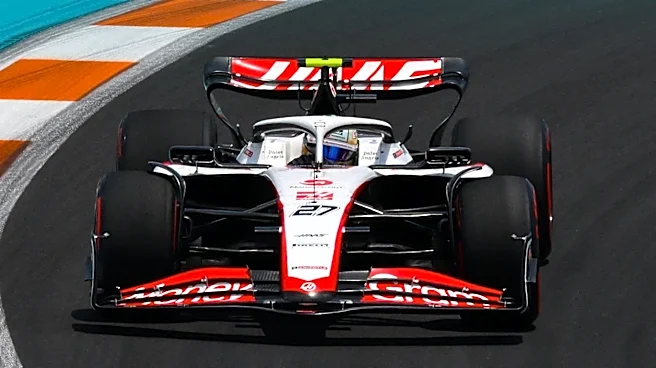
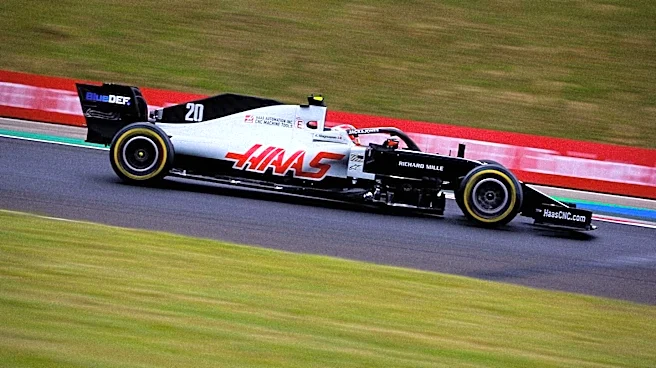
The Haas Formula 1 team is facing a significant challenge for the upcoming Las Vegas Grand Prix, as a specific F1 rule prevents their reserve driver, Jack Doohan, from competing. This rule stipulates that a team can only field a maximum of four different
drivers in a single season. Haas has already utilized Esteban Ocon, Oliver Bearman, Ryō Hirakawa, and Rafael Câmara in race settings this season. Ocon's sudden departure during the Mexican Grand Prix initiated a series of driver changes. Hirakawa temporarily filled in, followed by Câmara at the Sao Paulo Grand Prix. As a result of having already used four drivers, Doohan is now ineligible to race for Haas in Las Vegas, Qatar, or Abu Dhabi, despite being a reserve driver with prior F1 experience.
Why It's Important?
This situation highlights a critical operational constraint for Formula 1 teams, particularly those like Haas that might experience unexpected driver changes. The 'four-driver rule' is designed to maintain stability and prevent teams from constantly rotating personnel, but it can inadvertently penalize teams facing unforeseen circumstances, such as a driver's sudden exit. For Haas, an American team, being unable to field a preferred reserve driver for a high-profile event like the Las Vegas Grand Prix could impact their competitive performance and marketing efforts in a key market. It also underscores the importance of strategic planning for driver lineups, as unexpected events can quickly exhaust a team's options, potentially forcing them to rely on less experienced or less prepared drivers, or even face a grid penalty if they cannot field a car.
What's Next?
With Jack Doohan ineligible, Haas will need to find an alternative solution for the Las Vegas Grand Prix and the remaining races of the season. This could involve negotiating with another team for a temporary driver, if permitted by regulations, or promoting a driver from their junior program who has not yet competed in an F1 race this season. The team will need to carefully consider their options to ensure they comply with F1 regulations while also aiming for the best possible performance. This situation may also prompt discussions within the FIA regarding the flexibility of the 'four-driver rule,' especially in cases of unforeseen driver departures, to prevent similar predicaments for other teams in the future. The team's decision will be closely watched by fans and competitors alike.
Beyond the Headlines
The predicament faced by Haas extends beyond immediate race performance, touching upon broader issues of talent development and team resilience in Formula 1. The rule, while intended to prevent excessive driver rotation, inadvertently limits opportunities for reserve drivers like Doohan, who possess F1 experience but are sidelined due to a technicality. This could impact the career progression of young talents hoping to break into the sport. Furthermore, it exposes the vulnerability of smaller teams with fewer resources to manage unexpected personnel changes compared to larger, more established outfits. The incident could also spark a debate about the balance between regulatory control and operational flexibility, especially in a sport where unforeseen events are common. It underscores the complex interplay of sporting regulations, team strategy, and driver careers in the high-stakes world of Formula 1.