

What's Happening?
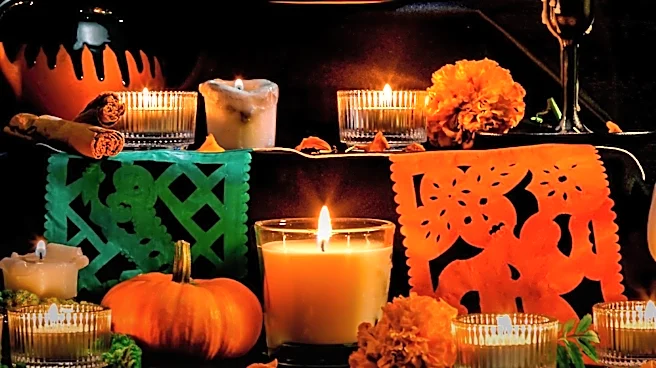
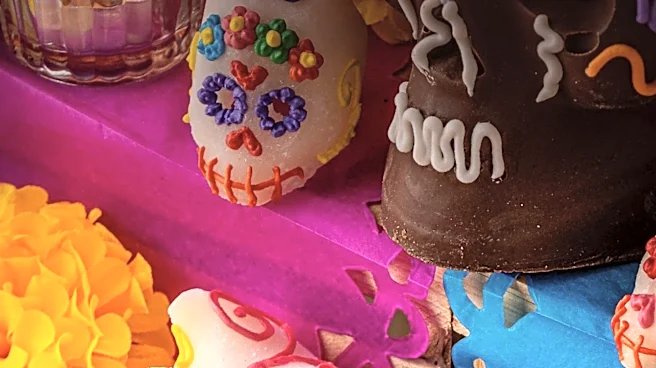
The Frances M. Maguire Art Museum is currently hosting its fourth annual Día de los Muertos exhibit, featuring a community “ofrenda” that will be on display through the end of November. The exhibit honors the Mexican holiday, which coincides with All
Souls Day on November 2 and blends pre-Hispanic traditions from cultures like the Maya, Aztecs, and Toltec with Catholic observances. The central altar incorporates statues from the museum’s permanent collection alongside numerous “ofrendas,” or offerings, handcrafted by museum visitors. The event commenced with a week of craft-making stations provided by the museum, allowing community members to create decorations such as paper-mache marigolds, bean mosaics, lace-paper flags, and tin-framed retablos. An initial celebration on October 24 included Mexican food and beverages, along with a live dance performance. Jane Allen, education and outreach coordinator, organized the event, while Marta Sánchez, adjunct professor in the department of art and art history, designed the exhibit, building on her experience of creating her first ofrenda after a colleague's passing.
Why It's Important?
The Maguire Art Museum's annual Día de los Muertos exhibit serves as a significant cultural and educational initiative. By hosting a community ofrenda, the museum provides a public space for collective remembrance and cultural expression, fostering a sense of belonging and shared heritage among participants. This initiative is crucial for preserving and promoting understanding of Mexican cultural traditions within a broader community, especially as Día de los Muertos is often misunderstood or conflated with Halloween. The inclusion of handcrafted offerings from visitors directly engages the community, transforming the museum from a passive viewing space into an interactive cultural hub. For students and the public, it offers an immersive learning experience about the historical and spiritual significance of the holiday, its artistic elements, and its evolution from ancient Mesoamerican practices. This type of institutional support for cultural celebrations helps to enrich the cultural landscape and promote diversity.
What's Next?
The community ofrenda will remain on display at the Frances M. Maguire Art Museum until November 29, offering continued opportunities for public viewing. The museum is accessible to St. Joe’s students and employees seven days a week, and to the general public from Wednesday through Sunday, with free admission for all. Following the conclusion of the exhibit, the museum plans to save the handcrafted offerings made by community members, such as retablos with photos of loved ones, with the intention of incorporating them into future Día de los Muertos displays. This practice ensures continuity and builds a growing collection of community contributions, reinforcing the collaborative nature of the annual event. The success and community engagement from this year's exhibit will likely inform the planning and expansion of future Día de los Muertos celebrations at the museum.
Beyond the Headlines
The Maguire Art Museum's Día de los Muertos exhibit highlights the evolving role of cultural institutions in fostering community engagement and preserving heritage. By actively involving the public in the creation of the ofrenda, the museum moves beyond traditional curatorial practices to become a facilitator of cultural expression and collective memory. This approach underscores the idea that art and cultural traditions are living, evolving entities shaped by community participation. Ethically, it provides a respectful and authentic platform for a cultural practice that holds deep personal and spiritual meaning for many. The exhibit also subtly addresses themes of grief, remembrance, and the human connection to ancestry, offering a communal space for processing these universal experiences. Furthermore, by integrating pre-Hispanic and Catholic elements, the exhibit showcases the syncretic nature of many cultural traditions, reflecting historical and ongoing cultural fusions.