

What's Happening?
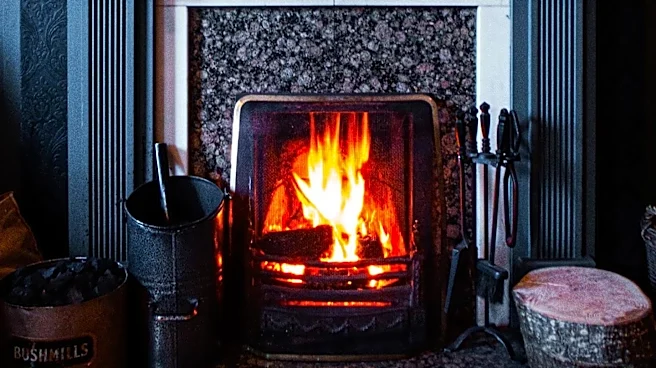
A homeowner has undertaken a significant renovation to reverse the 'millennial gray' trend in their 1900 Victorian home, specifically by de-modernizing a fireplace. The previous owner had updated the fireplace with gray stone tile, a common aesthetic
choice during the 2010s that aimed for a modern, sleek, and serene look. However, this trend, often referred to as 'millennial gray,' became pervasive, leading to spaces feeling sterile and devoid of character. The current homeowner found the gray fireplace 'cold and out of place' and spent nine months replacing the gray stone with brick, a material more in keeping with the home's original 1900 character. This project is part of a broader movement among millennials to undo the widespread gray interiors that many now regret or inherited through flipped homes.
Why It's Important?
This trend reversal is significant as it highlights a widespread dissatisfaction with a dominant interior design aesthetic that was once highly popular. The 'millennial gray' trend, while initially seen as modern and sophisticated, ultimately led to a monotonous and uninviting feel in many homes. This shift indicates a desire for more character, warmth, and individuality in living spaces, moving away from generic, mass-produced aesthetics often associated with quick home flips. For the real estate and home improvement industries, this signals a potential decline in demand for gray-dominated interiors and an increase in interest for more traditional, colorful, or personalized designs. It also underscores the financial and time investment required to correct past design choices, impacting homeowners and renovation businesses alike. The collective regret over 'millennial gray' could influence future design trends to prioritize timelessness and personal expression over fleeting fads.
What's Next?
The 'de-millennial graying' movement is likely to continue, with more homeowners seeking to inject personality and warmth back into their spaces. This could lead to a surge in demand for renovation services focused on color, texture, and historical accuracy, particularly in older homes. Interior design trends may lean towards richer color palettes, natural materials, and unique, character-filled elements. Retailers in the home decor sector might see increased sales of items that add color and warmth, such as patterned rugs, colorful throw pillows, and warmer-toned lighting. The discussion around 'millennial gray' also serves as a cautionary tale for future design trends, encouraging a more thoughtful and less uniform approach to home aesthetics. Budget-friendly ways to combat gray interiors, such as 'oops paint' and peel-and-stick wallpaper, are also gaining traction.
Beyond the Headlines
Beyond mere aesthetics, the rejection of 'millennial gray' can be seen as a broader cultural commentary on authenticity and individuality in an increasingly homogenized world. The initial appeal of gray was its neutrality and perceived sophistication, but its ubiquity ultimately stripped homes of their unique stories and character. This reversal suggests a yearning for spaces that reflect personal identity and history rather than conforming to a mass-market ideal. It also touches upon the environmental aspect of fast design trends, where quickly adopted and discarded styles lead to waste and repeated renovations. The homeowner's nine-month project to restore the fireplace's original character symbolizes a deeper appreciation for craftsmanship and enduring design over transient fads, potentially influencing a more sustainable approach to home decor.