



What's Happening?
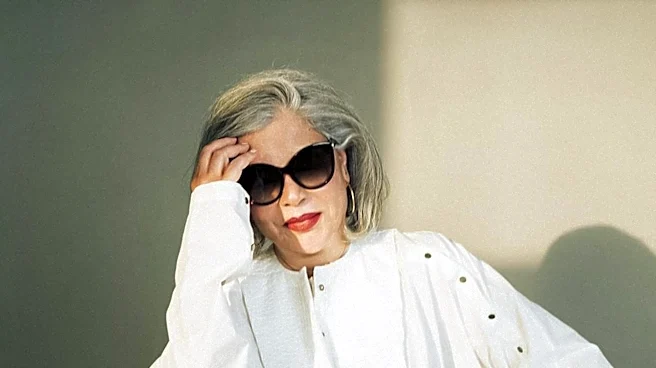
The fashion industry is witnessing a notable shift towards age inclusivity, with models over 40, 50, and even 60 gaining prominence in major fashion campaigns and runway shows. Brands like Chanel and American Vogue have featured older models, challenging
traditional beauty standards that favored youth. This trend reflects a broader cultural shift where age is increasingly seen as an asset rather than a limitation. The change is attributed to evolving consumer preferences and a growing appreciation for diversity in representation, as well as the influence of social media, which values authenticity and experience.
Why It's Important?
The embrace of age inclusivity in fashion is significant as it challenges long-standing industry norms and promotes diversity. This shift can have a positive impact on societal perceptions of aging, encouraging acceptance and appreciation of beauty at all ages. For the fashion industry, it opens up new market opportunities by appealing to a broader demographic, including older consumers who may feel more represented. Additionally, this trend aligns with a growing demand for authenticity and substance over superficial aesthetics, potentially influencing other industries to adopt similar inclusive practices.
Beyond the Headlines
The move towards age inclusivity in fashion may have deeper implications beyond immediate industry trends. It could signal a cultural shift towards valuing experience and wisdom, influencing how society views aging and the roles of older individuals. This change might also inspire other sectors, such as media and advertising, to reconsider their representation strategies. Furthermore, the trend could lead to more sustainable fashion practices, as older models often embody timeless style and quality over fast fashion. Ultimately, this development reflects a broader reevaluation of what constitutes beauty and success in contemporary culture.