




What's Happening?
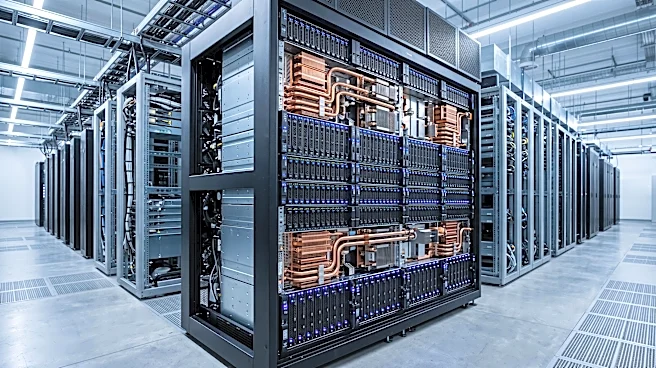
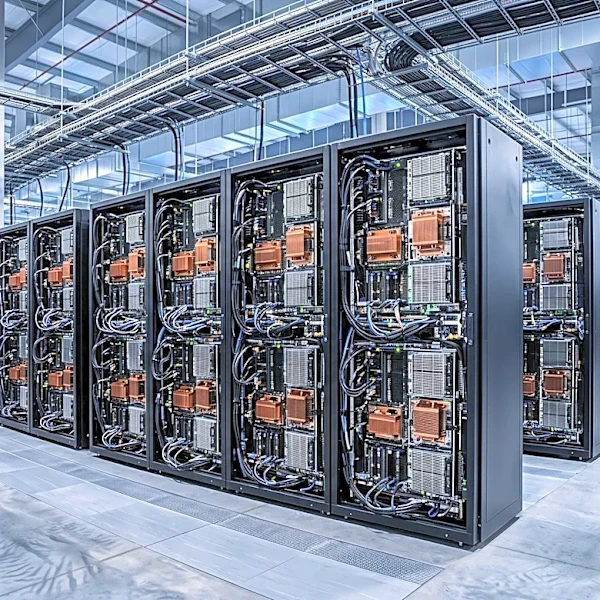
Major AI server manufacturers, including Dell, HPE, Lenovo, and Supermicro, are reportedly increasing the prices of Nvidia-powered AI servers by as much as 45% months after initial contracts were signed. According to the Financial Times, these price hikes
are occurring when the equipment is ready for shipment. Buyers, including large trading firms like Jane Street, Optiver, and Hudson River Trading, are largely accepting the new prices due to the critical need for the equipment. GPU servers are seeing price increases of 20% to 30%, while CPU nodes, heavily reliant on memory, have more than tripled in price. This situation is attributed to a significant surge in memory costs, which have risen over 400% since the beginning of 2024, as per JPMorgan research. SK Hynix has indicated that the memory shortage could persist until 2030. One dispute has escalated to court, with British trading firm XTX Markets suing Dell in Ireland over a $62 million to $70 million price increase on a previously fixed-price contract.
Why It's Important?
This trend of post-contract price increases in AI server hardware has significant implications for U.S. businesses heavily investing in AI infrastructure. Companies relying on these servers for advanced computing, such as financial trading firms and cloud providers, face unexpected and substantial increases in their capital expenditures. This could lead to higher operational costs, potentially slowing down AI development and deployment across various sectors. The willingness of buyers to accept these increases highlights the intense demand for AI compute power and the limited supply of critical components like memory. This situation could also foster distrust between hardware manufacturers and their clients, potentially leading to more disputes and a shift towards contracts with clearer price stability clauses or alternative sourcing strategies. The rising costs could also disproportionately affect smaller firms with less financial flexibility, creating a barrier to entry in the AI landscape.
What's Next?
The ongoing price volatility in AI server components, particularly memory, suggests that businesses will need to adapt their procurement strategies. Future contracts may include more explicit clauses regarding price adjustments or force majeure, or buyers might seek to secure components further in advance. The lawsuit between XTX Markets and Dell could set a precedent for how such disputes are handled, potentially influencing future contractual agreements in the tech hardware industry. Manufacturers may continue to pass on increased component costs to customers as long as demand remains high and supply constraints persist. Companies heavily reliant on AI infrastructure may explore vertical integration or invest in long-term supply agreements to mitigate future price shocks. The market may also see increased investment in memory production to address the supply shortage, though this is a long-term solution.
Beyond the Headlines
The current situation underscores a broader vulnerability in the global technology supply chain, where a critical component like memory can significantly impact an entire industry. The reliance on a few key memory manufacturers creates a bottleneck that can be exploited during periods of high demand. This could prompt a re-evaluation of supply chain resilience and diversification strategies within the tech sector. Furthermore, the ethical implications of raising prices after contracts are signed, even if driven by external cost pressures, could lead to calls for greater transparency and fairness in business dealings. The intense competition for AI compute resources also highlights the strategic importance of AI in the global economy, making access to powerful hardware a critical competitive advantage. This could also accelerate the development of alternative computing architectures or more efficient AI algorithms to reduce hardware dependency.