


What's Happening?
Interior designers are increasingly recommending that homeowners prioritize less expensive, unique thrifting finds over pricey antiques to imbue their living spaces with character. According to designers like Lauren Sullivan of Well by Design, a collected
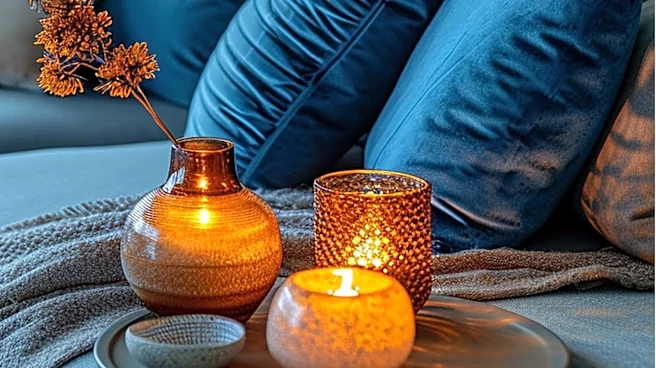
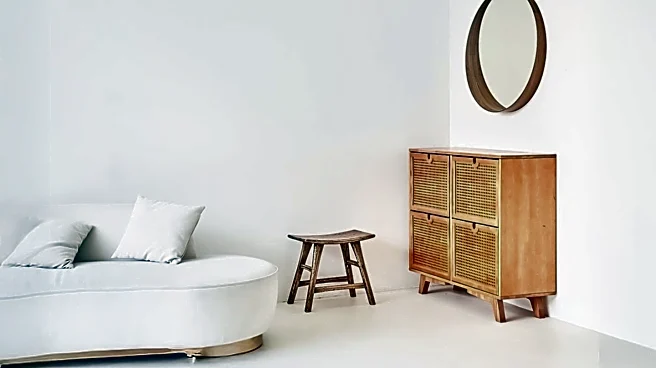
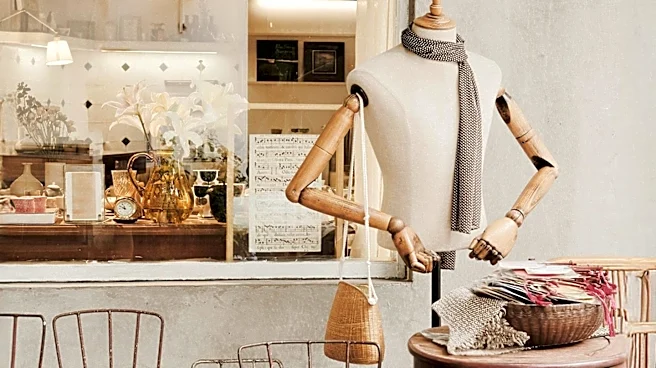
home becomes more interesting when not every item is perfect or chosen for its monetary value. Sullivan emphasizes that often, it is the less precious pieces that contribute significantly to a room's personality. This trend is emerging as older generations downsize, leading to a greater availability of items in thrift stores. Designers suggest looking for items such as inherited heirlooms, artwork, pottery and ceramics, everyday objects repurposed as decor, mirrors, table lamps, tabletop decor, stools, and hutches to add warmth, history, and individuality to a home.
Why It's Important?
This shift in design philosophy challenges the traditional emphasis on high-value antiques and promotes a more accessible and sustainable approach to home decor. By encouraging the use of thrifted items, designers are making stylish home aesthetics more attainable for a wider audience, reducing the financial barrier to creating a personalized space. Furthermore, this trend supports sustainable consumption by giving new life to pre-owned items, aligning with broader environmental consciousness. It also fosters creativity, as homeowners are encouraged to seek out unique pieces and integrate them in ways that reflect their personal style, moving away from mass-produced decor. This approach can lead to homes that feel more authentic and lived-in, reflecting individual stories rather than just current trends.
What's Next?
The growing endorsement of thrifting by design professionals is likely to further popularize the practice among consumers. This could lead to increased demand for unique, less expensive vintage items in thrift stores, antique shops, and flea markets. As more people embrace this approach, there may be a greater appreciation for items with imperfections, patina, and a sense of history. Designers will likely continue to share tips and inspiration for incorporating thrifted finds, potentially influencing home decor trends towards more eclectic and personalized styles. This movement also encourages a more mindful approach to consumption, where the story and character of an item are valued as much as, if not more than, its monetary worth or brand new status.
Beyond the Headlines
Beyond immediate decor trends, this movement reflects a broader cultural shift towards valuing authenticity, sustainability, and individuality over consumerism and perfection. It subtly critiques the fast-furniture industry and encourages a slower, more thoughtful approach to furnishing homes. Ethically, it promotes resourcefulness and reduces waste, aligning with principles of circular economy. Culturally, it fosters a connection to the past by incorporating items with history and encourages storytelling within the home. This approach also democratizes design, making it less about wealth and more about creativity and personal expression, potentially leading to a richer, more diverse aesthetic landscape in residential interiors.