






What's Happening?
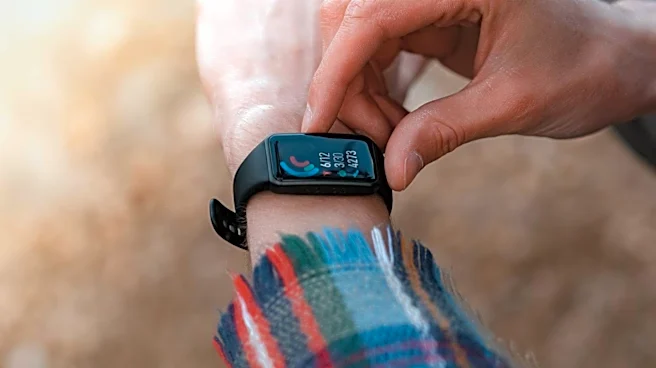
Wearable devices, such as the Apple Watch, are increasingly being scrutinized for their potential to cause anxiety and obsessive behavior among users. Experts highlight that while these devices can promote healthy habits, they can also lead to unhealthy
dependencies on data and metrics. Users may become overly focused on meeting daily goals, leading to stress and anxiety. The issue is compounded by the persuasive design of these devices, which can encourage users to prioritize device metrics over personal well-being. Experts suggest that users should occasionally disconnect from their devices to maintain a healthy balance.
Why It's Important?
The growing concern over the psychological impact of wearable devices underscores the need for a balanced approach to technology use. As these devices become more integrated into daily life, understanding their potential to influence mental health is crucial. This issue highlights the importance of designing technology that supports well-being without fostering dependency. It also raises questions about the role of tech companies in ensuring their products do not negatively impact users' mental health. Addressing these concerns could lead to more user-friendly designs and features that promote a healthier relationship with technology.
What's Next?
The conversation around the impact of wearable devices on mental health is likely to continue, prompting tech companies to reevaluate their design strategies. Future developments may include features that allow users to customize notifications and reduce gamification elements that contribute to anxiety. There may also be increased collaboration between tech companies and mental health professionals to create devices that support mental well-being. Users are encouraged to be mindful of their device usage and seek professional advice if they experience significant anxiety or obsessive behavior related to their wearables.