








What's Happening?
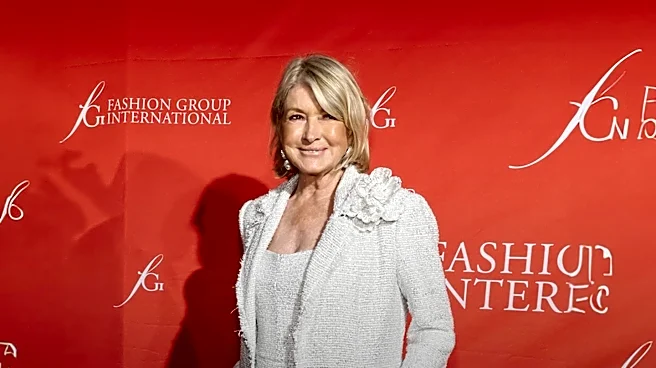
Martha Stewart Living Omnimedia, founded in 1997, emerged as a prominent American lifestyle media empire built around its founder, Martha Stewart. The company diversified across magazines, television programs, books, and retail partnerships, aiming to
educate consumers on home management, cooking, decorating, and entertaining. It successfully transformed Stewart's personal brand into a multifaceted business model, generating revenue across various media platforms. However, the company faced significant challenges, including Martha Stewart's legal troubles related to insider trading in 2004, which severely damaged its reputation and led to financial losses. Additionally, the rise of digital platforms and social media created new competitors and disrupted traditional print media, forcing the company to adapt to declining readership and advertising revenue. Martha Stewart Living Omnimedia eventually merged with Sequential Brands Group in 2015, ending its run as an independent entity.
Why It's Important?
The trajectory of Martha Stewart Living Omnimedia offers crucial insights into the opportunities and vulnerabilities of personality-driven brands in the U.S. market. Its initial success demonstrated the immense potential of leveraging a charismatic individual's expertise to create a comprehensive lifestyle brand across multiple revenue streams. However, Stewart's legal issues highlighted the inherent risk when a company's identity is inextricably linked to its founder, making it susceptible to personal setbacks. Furthermore, the company's struggles to adapt to the digital age underscore the broader challenges faced by traditional media companies in the U.S. as they contend with evolving consumer habits and the rise of agile digital-native competitors. This case study is vital for understanding brand building, media evolution, and the complex relationship between personal reputation and corporate success in the American business landscape.
What's Next?
While Martha Stewart Living Omnimedia as an independent entity no longer exists, the lessons from its history continue to influence the lifestyle media industry. The model of personality-driven branding remains prevalent, with new influencers and digital platforms constantly emerging. Companies in this sector must continuously innovate their business models, diversify revenue streams, and build resilience against both personal and market-driven disruptions. The ongoing shift towards digital content and direct-to-consumer engagement will likely see more traditional media brands investing heavily in online presence and social media strategies. The emphasis on authenticity and transparency, learned from past celebrity scandals, will also continue to shape how public figures and their brands manage their image and engage with their audience.
Beyond the Headlines
The story of Martha Stewart Living Omnimedia extends beyond business strategy to touch upon cultural and societal shifts in the U.S. It reflects the enduring American fascination with aspirational living and the desire for guidance in domestic perfection. The company's rise coincided with a period where traditional media held significant sway, and its eventual merger symbolizes the broader consolidation and transformation within the media industry. Ethically, Stewart's legal troubles sparked debates about corporate governance, celebrity accountability, and the impact of personal conduct on public trust. Culturally, the brand's influence helped define a particular aesthetic and approach to home life, demonstrating how a single individual's vision can shape consumer tastes and expectations for decades. The company's journey serves as a powerful reminder of the dynamic interplay between individual charisma, market forces, and societal values.