





What's Happening?
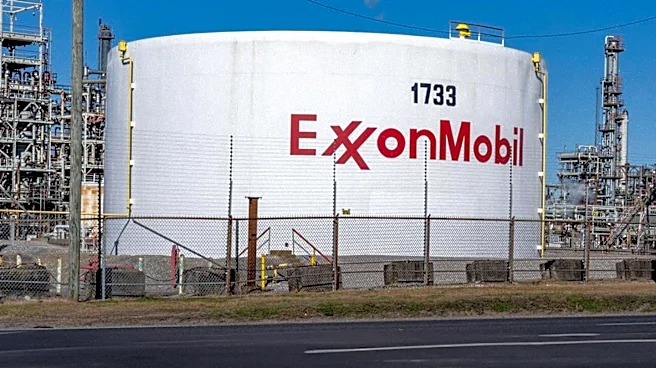
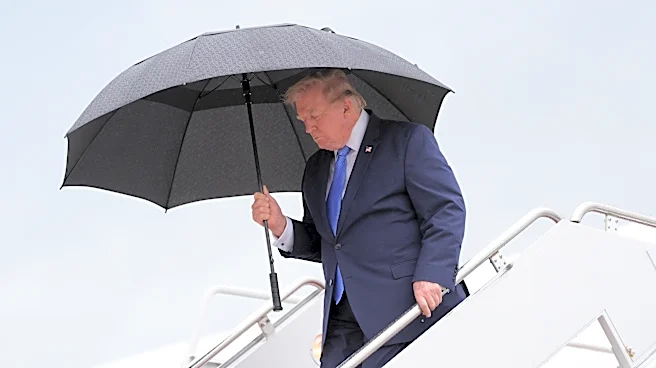
President Trump has expressed discontent with the record profits reported by major oil companies such as Exxon Mobil and Chevron, urging them to return some of their earnings to the public. This criticism comes as these companies report significant financial
gains, with Chevron earning $12 billion and Exxon Mobil $14.7 billion in the second quarter. The high profits are attributed to elevated oil prices due to geopolitical tensions, including the Iran conflict, and refinery bottlenecks. Despite Trump's previous support for the oil industry, he now calls for lower gasoline prices, reflecting public dissatisfaction with rising living costs.
Why It's Important?
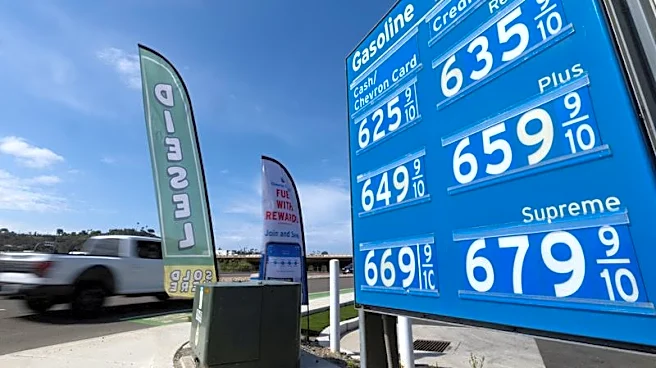
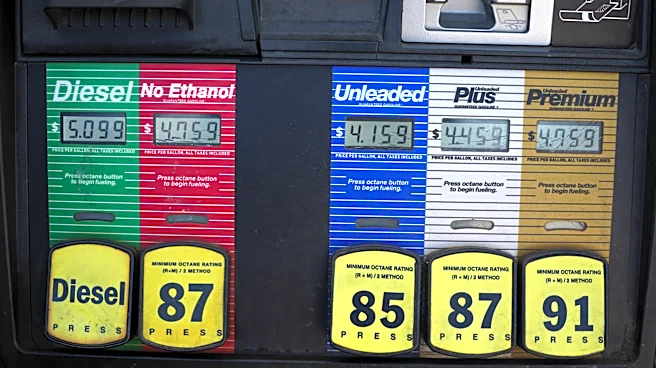
The criticism from President Trump highlights the tension between economic gains for oil companies and the financial burden on consumers due to high fuel prices. This situation underscores the broader debate on energy policy and the balance between corporate profits and consumer protection. The high profits of oil companies amidst economic challenges could lead to increased scrutiny and calls for regulatory measures, such as windfall taxes, to redistribute wealth and address public grievances. The issue also has political implications, potentially affecting voter sentiment and the Republican Party's prospects in upcoming elections.
What's Next?
The ongoing debate over oil company profits and consumer prices is likely to continue, with potential policy responses being considered. Discussions around implementing a windfall tax on excessive profits could gain traction, especially in Europe, where similar measures are being debated. In the U.S., the administration may explore options to alleviate consumer costs, such as strategic petroleum reserve releases or regulatory changes. The oil companies' responses to these pressures, including potential adjustments in pricing strategies or investment in renewable energy, will be closely watched.