




What's Happening?
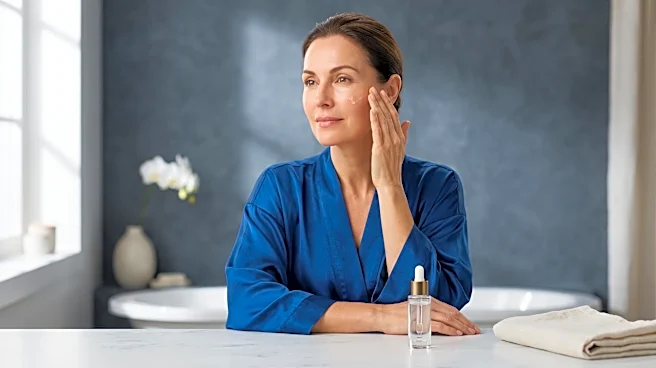
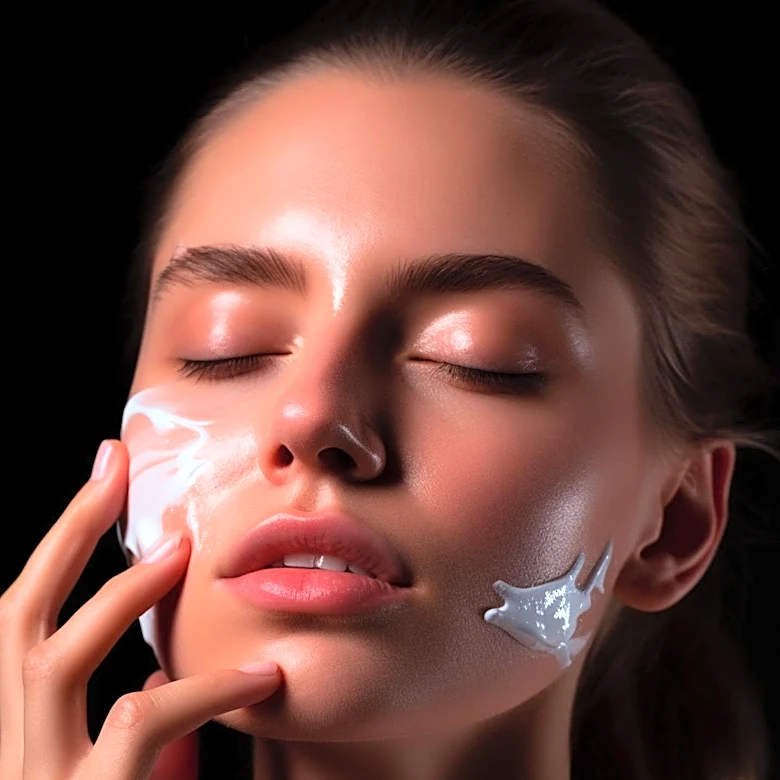
Peptide serums, formulated with short chains of amino acids, are gaining traction in the skincare industry for their ability to support skin health. These serums act as messengers on the skin's surface, contributing to a firmer texture and an improved
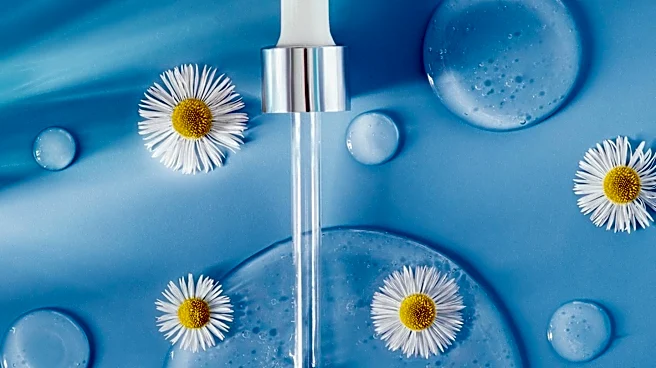
overall appearance. They are specifically designed to address concerns such as hydration, achieving smoother-looking skin, and reducing the visibility of fine lines. The development of these serums involves careful selection of peptide types, ingredient combinations, and textures to align with product briefs and formulation feasibility. Packaging options for peptide serums are diverse, including glass serum bottles, dropper bottles, and airless systems, with the final choice depending on factors like formula stability, ingredient compatibility, product viscosity, and brand positioning. Companies like DEL'LA SOFT specialize in private label peptide serum development, offering OEM/ODM manufacturing and packaging services for skincare brands, startups, distributors, and retailers, with projects starting from 500 units per SKU.
Why It's Important?
The increasing popularity and availability of peptide serums signify a growing trend in the U.S. skincare market towards advanced, ingredient-focused products. For consumers, these serums offer a targeted approach to common skin concerns, potentially leading to improved skin elasticity, hydration, and a reduction in the appearance of aging signs. This focus on specific active ingredients like peptides allows for more customized skincare routines. For businesses, the demand for private label peptide serums, as offered by manufacturers like DEL'LA SOFT, indicates a robust market for new product development and brand expansion within the beauty industry. This trend can stimulate innovation in cosmetic science, leading to new formulations and delivery methods. The emphasis on quality standards like ISO 22716 GMP and ISO 9001 in manufacturing ensures product safety and efficacy, building consumer trust and setting benchmarks for industry practices. The accessibility of such manufacturing services also lowers the barrier to entry for new brands, fostering competition and diverse product offerings in the U.S. market.
What's Next?
The peptide serum market is likely to see continued innovation in formulation and ingredient combinations, with a focus on enhancing efficacy and addressing a wider range of skin concerns. Manufacturers may explore new peptide types and synergistic ingredients to create more potent and specialized serums. We can anticipate a rise in personalized skincare solutions, where consumers can choose serums tailored to their specific skin needs and concerns. The trend towards sustainable and eco-friendly packaging options is also expected to influence the design and materials used for peptide serum containers. Furthermore, as scientific research into peptides advances, there may be new discoveries regarding their benefits and applications, leading to the development of next-generation peptide serums. Regulatory bodies may also increase scrutiny on product claims and ingredient transparency, pushing manufacturers to provide clearer and more substantiated information to consumers. This will likely lead to a more informed consumer base and a more competitive, quality-driven market.
Beyond the Headlines
The rise of peptide serums reflects a broader shift in consumer behavior towards science-backed and results-oriented skincare. This trend moves beyond traditional beauty marketing, emphasizing the biochemical mechanisms by which products interact with the skin. It highlights a growing consumer sophistication and a desire for transparency regarding product ingredients and their proven benefits. This also raises ethical considerations regarding the sourcing and sustainability of complex ingredients like peptides, as well as the potential for over-consumption and the environmental impact of packaging. The emphasis on 'private label' manufacturing suggests a democratization of the beauty industry, allowing smaller brands and entrepreneurs to enter the market with specialized products, potentially disrupting established brands. This could lead to a more diverse and innovative beauty landscape, but also necessitates robust quality control and regulatory oversight to ensure consumer safety and product integrity. The focus on 'messengers for the skin' also subtly reinforces a more holistic view of skin health, moving beyond superficial treatments to address underlying cellular processes.