



What's Happening?
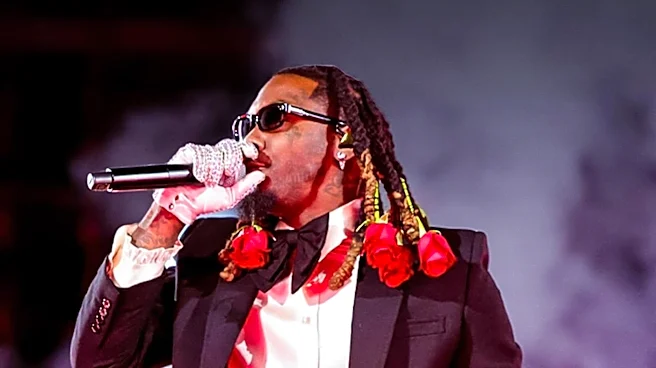
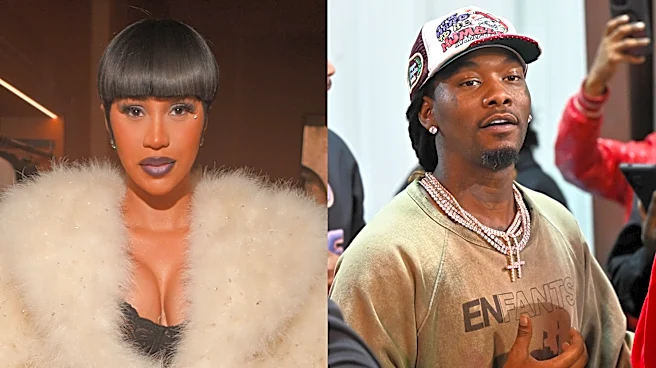
A significant debate regarding authenticity in street rap has emerged, involving prominent artists like NBA YoungBoy, Fivio Foreign, Offset, and Lil Baby. This discussion was sparked by 21 Savage's tweet, "f*** the streets," which led to varied reactions
across the hip-hop community. While some artists, such as Young Thug and G Herbo, supported 21 Savage's sentiment, others, including NBA YoungBoy and Fivio Foreign, either misinterpreted it or took issue with the statement. Fivio Foreign publicly stated on X that "The streets keep me movie[sic] and keep me and mines good," suggesting that self-proclaimed street artists should not distance themselves from their origins. He further elaborated in an interview with DJ Akademiks, calling such disavowals "all show" and "smoke and mirrors." This ongoing conversation has been further fueled by recent album releases from Atlanta artists Offset and Lil Baby, who have also contributed their perspectives to the authenticity crisis within the culture. Offset's album 'GMFU' features Gunna, a former alleged co-conspirator of Young Thug, while Lil Baby explicitly states his stance in his album intro 'Top Uh It,' rapping, "I nеver said, 'f*** the streets' / one foot out and one foot deep."
Why It's Important?
This debate is important because it reflects a deeper internal struggle within the street rap genre concerning the perceived integrity and real-world connection of its artists. The discussion highlights the tension between maintaining street credibility and evolving as an artist, especially in the wake of legal challenges like the YSL RICO trial, which has led to increased scrutiny of artists' affiliations and narratives. The differing viewpoints from influential figures like NBA YoungBoy, 21 Savage, Offset, and Lil Baby indicate a significant cultural moment where artists are grappling with how their public personas align with their past and present realities. This conversation can influence how fans perceive authenticity, potentially shifting expectations for artists' lyrical content, public statements, and collaborations. It also underscores the pressure artists face to remain true to their origins while navigating mainstream success and legal complexities, impacting their artistic choices and career trajectories. The outcome of this debate could redefine what it means to be an 'authentic' street rapper in the modern era.
What's Next?
The ongoing debate about authenticity in street rap is likely to continue shaping lyrical themes, collaborations, and public discourse within the hip-hop community. Artists may increasingly feel compelled to address their stance on 'the streets' in their music or interviews, leading to more introspective or defiant content. This could also influence how new artists are perceived and how established artists maintain their relevance. Record labels and management might also become more strategic in how they market artists, emphasizing narratives that align with either side of the authenticity argument. Furthermore, the discussion could lead to a re-evaluation of what constitutes 'street credibility' in an era where social media and legal proceedings heavily influence public perception. Future music releases and interviews from prominent figures in the genre will likely continue to contribute to this evolving conversation, potentially leading to new subgenres or artistic movements that either embrace or reject traditional notions of street authenticity.
Beyond the Headlines
Beyond the immediate discussions, this authenticity debate touches upon broader ethical and cultural dimensions within the music industry. It raises questions about the responsibility of artists to their origins versus their artistic freedom and personal growth. The pressure to maintain a 'street' image, even after achieving mainstream success, can have significant psychological and legal implications for artists. This ongoing tension also reflects societal views on class, race, and upward mobility, particularly within communities often represented in street rap. The debate highlights the complex relationship between art and reality, where the lines between performance and lived experience can become blurred. It also underscores the commercialization of authenticity, where an artist's perceived 'realness' can be a valuable commodity. Long-term, this could lead to shifts in how the music industry supports artists from challenging backgrounds, potentially fostering environments that encourage genuine artistic expression over adherence to potentially harmful archetypes.