








What's Happening?
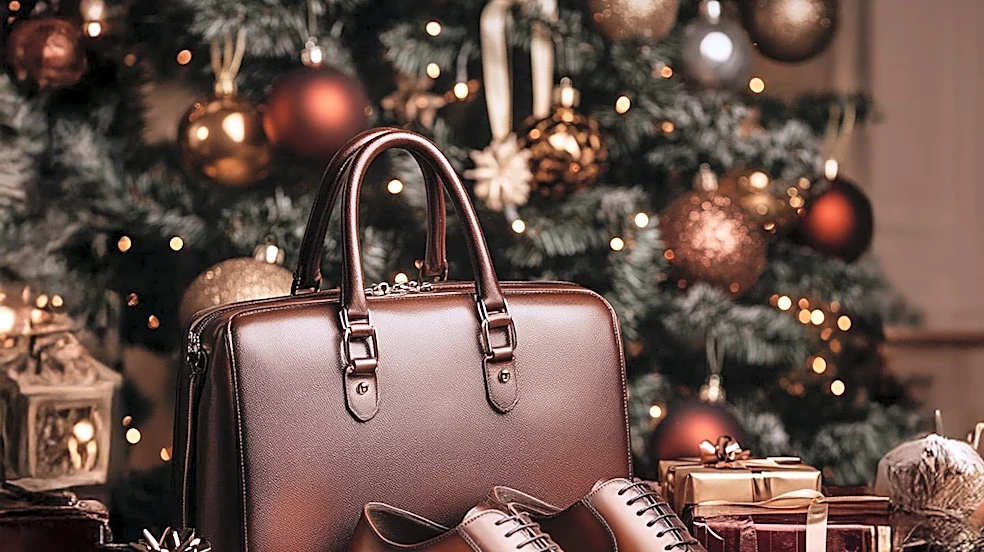
The New York Post has published a curated list of 48 luxury gifts for men, focusing on items that enhance daily rituals, embody quiet luxury apparel, and incorporate biohacking wellness. The selection aims to address the challenge of finding unique gifts for men who
already possess most necessities. Featured items include the Shinola Runwell Petoskey Watch, hand-assembled in Detroit with a dial made from 350-million-year-old fossilized coral, priced at $895. Another highlight is the Vilebrequin Moorea Swim Shorts, a classic vacation item with an iconic turtle motif, costing $350. The list also includes practical yet luxurious items such as the Boll & Branch Complete Plush Bath Towel Bundle and the Naadam Super Fine Cashmere Long Sleeve Crewneck. The guide categorizes gifts by price point, offering options under $200, between $200 and $500, and over $500, ensuring a range for various budgets and preferences.
Why It's Important?
This curated list from the New York Post is significant for several reasons. It reflects current consumer trends in the luxury market, where there's a growing demand for high-quality, unique items that offer both utility and exclusivity. The emphasis on 'upgraded daily rituals' and 'quiet luxury' indicates a shift from overt brand display to understated elegance and personal well-being, influencing purchasing decisions among affluent consumers. For retailers and brands, being featured in such a prominent publication can significantly boost visibility and sales, especially during holiday seasons. The guide also provides valuable insights into what discerning male consumers are seeking, helping businesses tailor their product development and marketing strategies. Furthermore, it highlights the enduring appeal of craftsmanship and unique materials, such as the Petoskey stone in the Shinola watch, which resonate with buyers looking for items with a story.
What's Next?
As the holiday shopping season approaches, publications like the New York Post will continue to influence consumer spending habits through curated gift guides. Retailers and luxury brands will likely leverage such features in their marketing campaigns, potentially leading to increased demand for the highlighted products. The trends identified—upgraded daily rituals, quiet luxury, and biohacking wellness—are expected to continue shaping the luxury market. Consumers can anticipate more brands focusing on sustainable practices, unique material sourcing, and personalized experiences to meet these evolving demands. Future gift guides may further explore niche luxury categories or integrate emerging technologies, reflecting the dynamic nature of high-end consumer preferences. The emphasis on quality and lasting value over fleeting trends is likely to persist.
Beyond the Headlines
The New York Post's luxury gift guide subtly reflects broader societal values and economic shifts. The focus on 'quiet luxury' can be seen as a response to economic uncertainties, where consumers prefer investing in timeless, high-quality pieces rather than ostentatious displays of wealth. This trend also aligns with a growing appreciation for craftsmanship, durability, and ethical sourcing, moving away from fast fashion and disposable goods. The inclusion of 'biohacking wellness' items points to an increasing integration of health and technology into luxury lifestyles, where personal optimization is a key aspiration. This suggests a cultural shift where luxury is not just about material possessions but also about experiences, well-being, and a curated lifestyle. Such guides not only inform purchasing decisions but also shape aspirations and perceptions of what constitutes a desirable life.