







What's Happening?
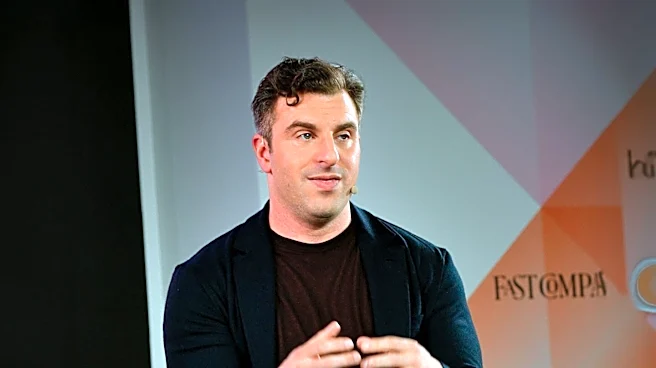
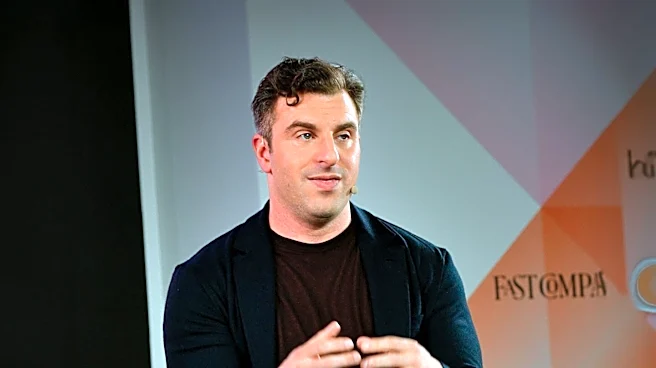
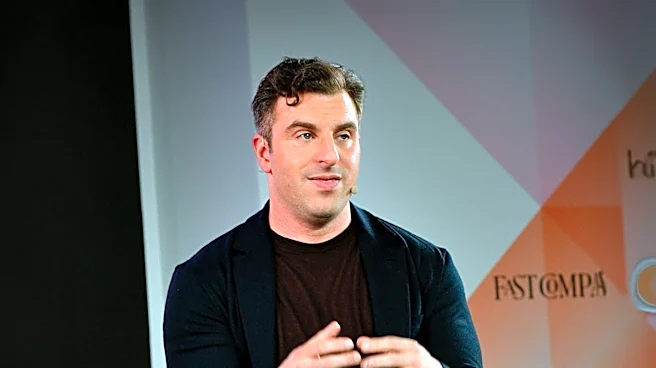
Brian Chesky, CEO and co-founder of Airbnb, recently discussed his journey from a startup founder to leading a global travel company, acknowledging his initial struggles as a CEO. In an interview on the 'How I Built This' podcast, Chesky admitted to being
a 'terrible CEO' at the outset, contrasting it with his natural aptitude as a founder. He highlighted three key mistakes he made: deferring to more experienced executives, being overly eager to please, and failing to say 'no' frequently enough, which led to a lack of clear company focus. Chesky explained that while founding came intuitively, the CEO role required a distinct and often 'counterintuitive' skill set. He noted that early-stage companies benefit more from hiring smart, hungry individuals slightly ahead of the current team and maintaining close collaboration, rather than bringing in highly experienced executives from large corporations and giving them complete autonomy. His reflections underscore the significant learning curve involved in scaling a company from a nascent idea to a multi-billion dollar enterprise.
Why It's Important?
Chesky's candid self-assessment offers valuable insights for entrepreneurs and business leaders navigating the complexities of rapid growth and leadership evolution. His experience illustrates the critical difference between the skills required for founding a company and those needed to effectively manage and scale it. The challenges he faced, such as balancing intuition with experienced advice, fostering accountability, and maintaining strategic focus, are common pitfalls for many leaders. His admission that he was a 'people pleaser' and conflict-averse highlights how personal traits can impact corporate governance and decision-making. For the broader business community, Chesky's journey emphasizes the importance of adaptability, continuous learning, and the courage to acknowledge and correct leadership deficiencies. His insights can help other CEOs avoid similar mistakes, fostering more effective leadership practices and potentially contributing to the long-term success and stability of their organizations in the competitive U.S. business landscape.
What's Next?
Chesky's ongoing leadership at Airbnb suggests a continued focus on refining his management approach, incorporating lessons learned from his past mistakes. His public reflection indicates a commitment to transparent leadership and a willingness to adapt strategies for sustained growth. Moving forward, it is likely that Airbnb will continue to evolve its corporate culture and operational strategies based on these insights. This could involve a more assertive stance on strategic direction, a clearer framework for executive accountability, and a more balanced approach to integrating external expertise. For Airbnb, this evolution could translate into more streamlined decision-making, enhanced employee performance, and a stronger market position. Other companies and their leaders may also draw inspiration from Chesky's journey, potentially leading to a broader re-evaluation of leadership development programs and executive training within the U.S. corporate sector, emphasizing practical skills over traditional hierarchical deference.
Beyond the Headlines
Chesky's narrative extends beyond typical business headlines by delving into the psychological and personal aspects of leadership. His struggle with being a 'people pleaser' and his initial reluctance to assert authority reveal the human element often overlooked in corporate success stories. This personal vulnerability highlights the immense pressure on CEOs to project an image of unwavering confidence, even when facing internal doubts. The distinction between a 'founder' and a 'CEO' role also points to a deeper organizational challenge: how to transition leadership effectively as a company matures without losing its foundational vision. This raises questions about whether founders are always the best long-term leaders, or if there's a point where specialized management expertise becomes indispensable. Chesky's journey suggests that successful leadership often requires a profound personal transformation, moving beyond initial instincts to embrace a more disciplined and strategic mindset, which has broader implications for leadership development and corporate governance ethics.