



What's Happening?
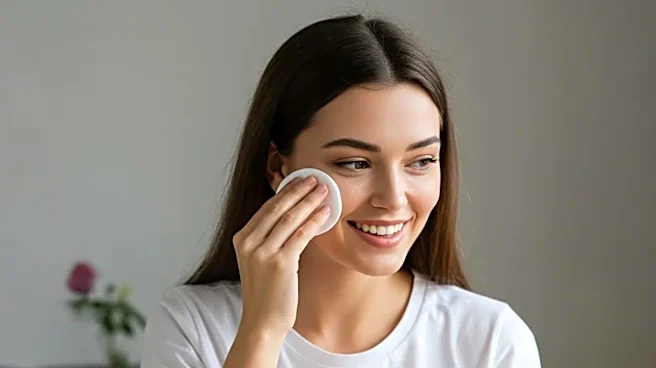
The 'glass skin' routine, a five-step Korean skincare protocol, is increasingly popular in the U.S. This regimen aims for a complexion so smooth, even, and dewy that it appears translucent, like polished glass. The process begins with a double cleanse,
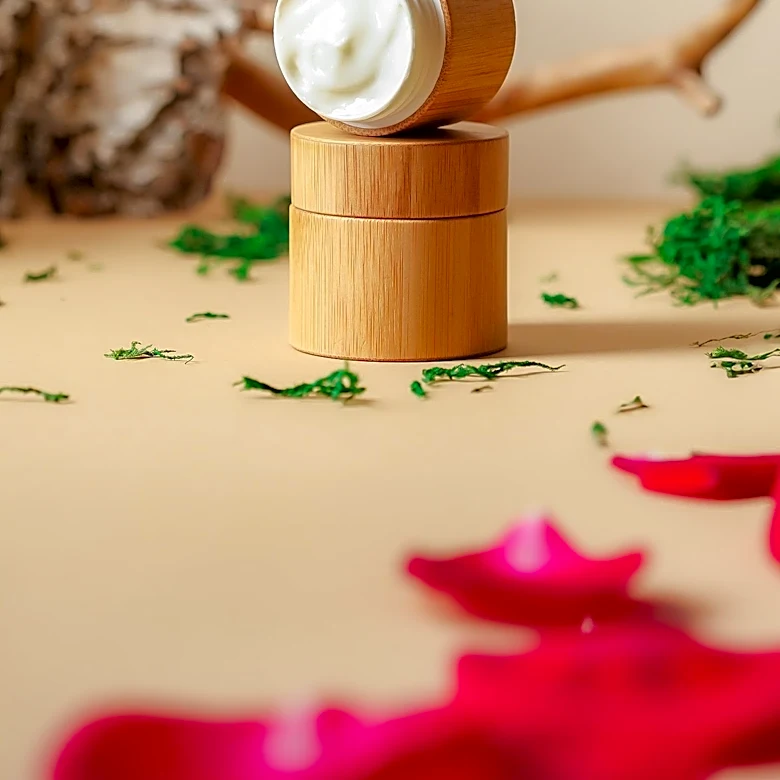
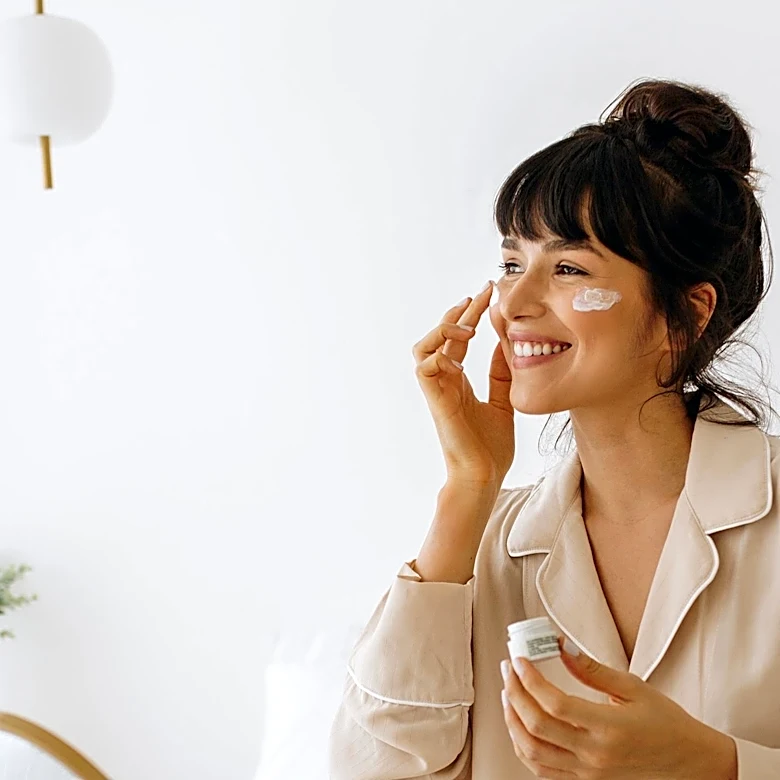
using an oil-based cleanser followed by a water-based one, to thoroughly remove impurities. This is succeeded by chemical or enzymatic exfoliation to remove dead skin cells. The third step involves applying a hydrating toner or essence to balance the skin's pH and prepare it for subsequent products. A concentrated serum, often featuring ingredients like multi-weight hyaluronic acid, galactomyces, or niacinamide, is then applied to target specific skin concerns and boost radiance. The routine concludes with a hydrating cream to seal in moisture and protect the skin barrier. The strict order of application, from lightest to thickest product, is crucial for maximizing ingredient penetration and achieving the desired effect.
Why It's Important?
The rising popularity of the glass skin routine signifies a broader shift in U.S. beauty standards and consumer preferences, moving towards comprehensive, multi-step skincare regimens focused on skin health rather than just cosmetic coverage. This trend impacts the beauty industry by driving demand for specific Korean skincare products and ingredients, influencing product development and marketing strategies for both established and emerging brands. U.S. consumers are increasingly seeking out products with active ingredients like hyaluronic acid, niacinamide, and fermented extracts, leading to a more educated and discerning consumer base. This also highlights the growing influence of global beauty trends, particularly from South Korea, on the American market, fostering cultural exchange in beauty practices and product innovation. The emphasis on consistent hydration and gentle care also promotes healthier skin habits among users.
What's Next?
As the glass skin trend continues to grow, U.S. beauty retailers and brands are likely to further expand their offerings of Korean skincare products and develop their own lines inspired by these principles. We can anticipate an increase in specialized skincare kits and bundles designed to simplify the multi-step routine for consumers. Educational content, such as tutorials and expert guides on achieving glass skin, will also become more prevalent across beauty platforms and social media. Furthermore, there may be a greater focus on ingredient transparency and efficacy as consumers become more knowledgeable about what they apply to their skin. The trend could also spur innovation in product formulations, with brands seeking to create more potent and user-friendly products that deliver the glass skin effect efficiently. Dermatologists and estheticians may also incorporate elements of this routine into their recommendations for clients seeking improved skin texture and radiance.
Beyond the Headlines
The glass skin phenomenon extends beyond a mere beauty trend; it reflects a deeper cultural appreciation for meticulous self-care and a holistic approach to beauty. It challenges the traditional Western emphasis on quick fixes and heavy makeup, instead promoting a philosophy of nurturing skin health from within. This shift could lead to long-term changes in consumer behavior, with a greater investment in preventative skincare and a preference for natural radiance over artificial enhancement. Ethically, the trend also raises questions about accessibility, as the multi-step routine and specialized products can be costly and time-consuming, potentially creating new beauty standards that are not universally attainable. Moreover, the global influence of K-beauty underscores the interconnectedness of modern culture, where beauty ideals and practices transcend geographical boundaries, shaping a more diverse and informed global beauty landscape.