







What's Happening?
Recent research presented at the Alzheimer's Association International Conference in London suggests that retired professional soccer players may experience neurological impacts earlier in life than previously expected. The study, which focused on former
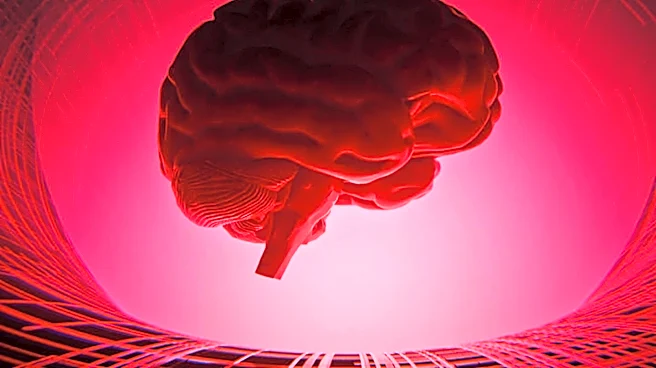
players aged 30 to 60, found that these individuals reported higher levels of anxiety, depression, and cognitive issues compared to non-contact sport participants. Brain scans revealed lower gray matter in regions associated with memory and decision-making among the players. While the findings are preliminary, they align with concerns about repetitive head impacts in sports, similar to those observed in American football. The study aims to understand whether these symptoms are directly caused by head impacts or other factors inherent to athletes.
Why It's Important?
The implications of this research are significant for the sports community, particularly in terms of player safety and health protocols. Understanding the potential risks associated with repetitive head impacts in soccer could lead to changes in how the sport is played and regulated, especially at youth levels. The U.S. Soccer Federation has already implemented measures to limit headers among young players, reflecting a growing awareness of brain health. This research could further influence policy decisions and encourage the development of safer playing techniques. Additionally, it highlights the need for ongoing monitoring and support for athletes' mental health, as early intervention can mitigate long-term effects.
What's Next?
Further research is needed to confirm these findings and explore the long-term impacts of head injuries in soccer. The study's authors plan to expand their research to include more participants and longer observation periods. This could provide a clearer picture of the trajectory of neurological symptoms and inform guidelines for safer sports practices. Stakeholders, including sports organizations and medical professionals, may need to collaborate on strategies to protect athletes while maintaining the benefits of physical activity. Public awareness campaigns could also play a role in educating players and coaches about the signs of brain injury and the importance of seeking medical advice.