


What's Happening?
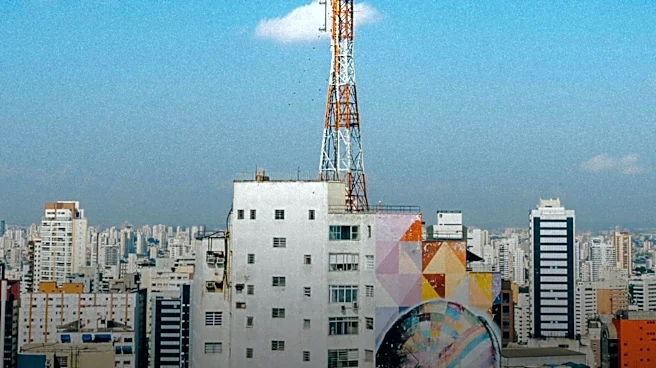
São Paulo's architectural landscape is increasingly focusing on creating spaces for leisure and community engagement. Notable examples include the SESC Pompéia and SESC 24 de Maio, designed by Lina Bo Bardi and Paulo Mendes da Rocha, respectively. These
spaces transform former industrial sites into vibrant community centers that prioritize recreational activities alongside cultural events. The architecture emphasizes open, flexible spaces that encourage public interaction and leisure without commercial transactions, reflecting a civic commitment to enhancing urban life.
Why It's Important?
The development of such spaces highlights a shift in urban planning towards prioritizing public welfare and community engagement. By repurposing industrial sites for leisure and cultural activities, cities like São Paulo are addressing the need for accessible public spaces in densely populated urban areas. This approach not only enhances the quality of life for residents but also fosters social cohesion and cultural exchange. It sets a precedent for other cities to follow, demonstrating the potential of architecture to transform urban environments into inclusive, community-oriented spaces.
Beyond the Headlines
These architectural projects raise important questions about the role of public spaces in urban life. They challenge traditional notions of urban development that prioritize commercial interests over community needs. The emphasis on leisure and cultural activities reflects a broader cultural shift towards valuing quality of life and social interaction. Additionally, these spaces serve as a model for sustainable urban development, showcasing how cities can creatively utilize existing structures to meet contemporary needs.