







What's Happening?
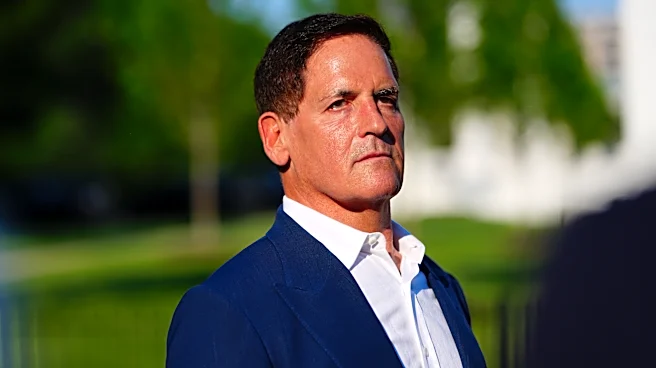
Mark Cuban, former majority owner of the Dallas Mavericks, has accused the team's governor, Patrick Dumont, of excluding him from business opportunities related to the potential relocation of the franchise. According to a report by The Dallas Morning
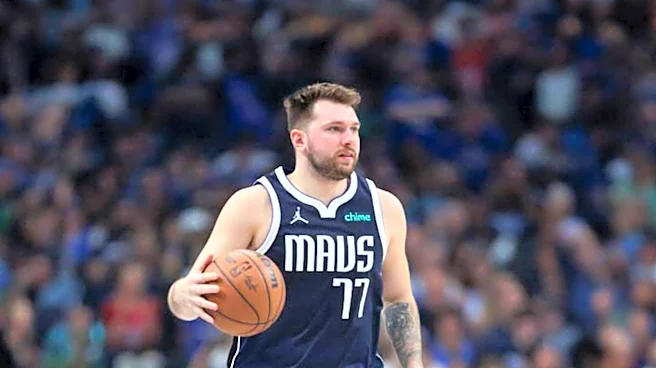
News, Cuban claims Dumont engaged in 'adversarial business practices' to move the team approximately 10 miles north of downtown Dallas to a former mall site. Cuban, who sold his majority stake in the Mavericks in 2023 to the families of Miriam Adelson and Dumont, alleges he was supposed to continue overseeing basketball operations. However, he claims Dumont gave full control to former general manager Nico Harrison, who made significant decisions, including trading superstar Luka Doncic to the Los Angeles Lakers in 2025. This trade reportedly led to Harrison's dismissal after a poor start to the 2025-26 season. Cuban retains a 27% ownership stake, but a clause allows the Adelson and Dumont families to acquire an additional 20% of his shares.
Why It's Important?
This development highlights the complexities and potential conflicts in sports franchise ownership and management. Cuban's allegations suggest a significant shift in the Mavericks' operational dynamics, which could impact the team's strategic direction and financial health. The potential relocation of the Mavericks could affect local economies, particularly in downtown Dallas, where the team has been a fixture since 1980. The move could also influence fan engagement and the team's marketability. Cuban's claims of being excluded from business opportunities raise questions about governance and decision-making processes within sports franchises, potentially setting a precedent for how minority stakeholders are treated in similar situations.
What's Next?
The situation may lead to legal proceedings if Cuban decides to pursue his claims further. The outcome could affect the Mavericks' relocation plans and the team's future operations. Stakeholders, including fans, local businesses, and city officials, will likely monitor developments closely, as the team's move could have significant economic and social implications. The resolution of this dispute may also influence future ownership agreements and governance structures in professional sports.