
What's Happening?
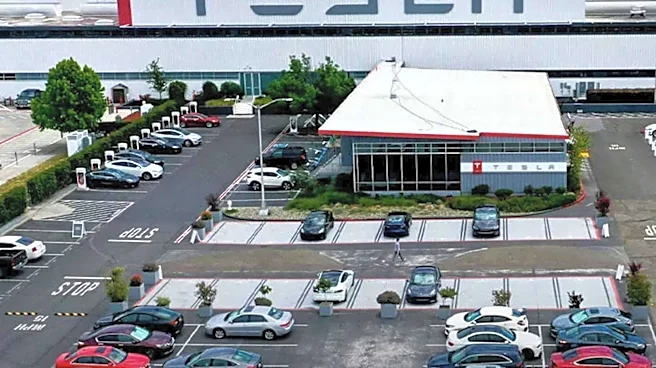
Tesla's stock has experienced a -7% volatility over the past 30 days, reflecting a conflict between investor optimism regarding its autonomous driving and energy storage initiatives and concerns over margin pressure from increased operating expenses.
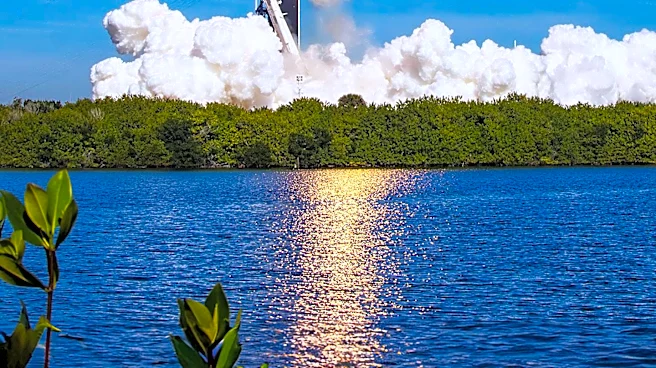
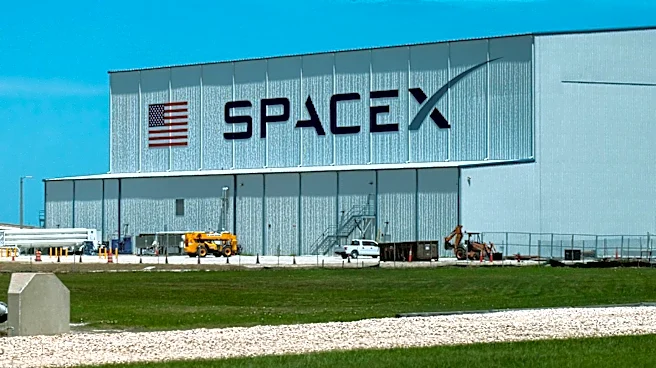
The company, which designs, manufactures, and sells electric vehicles and energy products, sees automotive sales contributing approximately 70% of its revenue. Tesla's competitive advantages include vertically integrated manufacturing, a proprietary charging network, and a software-first approach. Investors are increasingly viewing Tesla beyond just an automaker, focusing on its Full Self-Driving (FSD) software, robotaxi ambitions, the Optimus humanoid robot, and AI compute infrastructure, which are central to its long-term investment case despite driving substantial capital and research spending. The stock price moved -5% since the previous close, and rumors of a potential merger with SpaceX are also circulating, which could significantly impact its valuation.
Why It's Important?
This volatility in Tesla's stock is significant for the U.S. market and technology sector, as it highlights the ongoing tension between innovative, high-growth ventures and the financial realities of substantial investment cycles. The company's focus on autonomous driving, robotaxis, and AI represents a potential paradigm shift in transportation and technology, attracting significant investor interest. However, the pressure on profitability due to rising operating expenses underscores the challenges of scaling such ambitious projects. The potential merger with SpaceX, if it materializes, could create a diversified technology giant with implications across multiple industries, from automotive and energy to space exploration, potentially reshaping competitive landscapes and investment strategies within the U.S. and globally. This situation affects not only Tesla shareholders but also the broader EV market and technology investors who are closely watching the company's strategic direction and financial performance.
What's Next?
Investors will closely monitor Tesla's upcoming financial reports for insights into its margins, operating expenses, and capital spending guidance. Key areas of focus include the progress of Cybercab production, the expansion of robotaxi services into new cities, and regulatory approvals for FSD in Europe and other markets. The momentum in energy storage orders, driven by increasing data-center demand, will also be a critical indicator. Furthermore, the ongoing speculation surrounding a potential merger between Tesla and SpaceX remains a significant factor. Any official announcement or progress in these merger talks, along with the structure and approval requirements, will likely introduce further volatility and shape investor sentiment. Macroeconomic conditions, including interest rates, EV demand trends, and competitive pressures, will continue to influence the company's outlook.
Beyond the Headlines
The current situation with Tesla extends beyond immediate stock fluctuations, touching upon deeper implications for the future of technology and industry. The company's aggressive investment in AI, robotics, and autonomous driving is pushing the boundaries of what is technologically feasible, potentially setting new standards for automation and intelligent systems. This pursuit, while costly in the short term, could lead to transformative changes in how transportation, logistics, and even daily life are organized. The ethical and regulatory frameworks surrounding fully autonomous vehicles and AI-powered robots are still evolving, and Tesla's advancements will likely play a significant role in shaping these discussions. The potential integration of Tesla's terrestrial technologies with SpaceX's space-faring capabilities could also signal a new era of cross-industry innovation, blurring the lines between automotive, energy, and aerospace sectors and raising questions about corporate consolidation and market dominance.