





What's Happening?
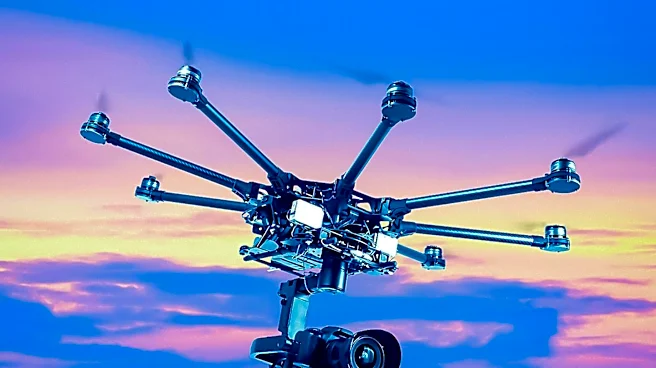
DJI, a leading drone manufacturer, will cease providing product inquiries, technical support, and maintenance for 11 of its products starting December 1, 2026. This move is part of the company's regular product lifecycle management, citing technological
developments and changing usage requirements as reasons for discontinuing support. The list of affected products includes significant items from DJI's past lineup, such as the professional Inspire 2 cinema drone, Zenmuse X4S and X5S cameras, CrystalSky monitors, the original Smart Controller, and several early FPV ecosystem products. Production for many of these items, like the Inspire 2, ended in January 2022, while others, such as the Zenmuse X4S, ceased production as early as July 2018. DJI recommends that users of these products consider upgrading to newer alternatives to benefit from current technologies and continued customer service. The company explicitly stated that after the service suspension date, it will no longer offer official repairs or manufacturer-backed troubleshooting for these devices.
Why It's Important?
This decision by DJI carries significant implications for professional users and enthusiasts in the U.S. who rely on these specific products. The Inspire 2, for instance, has been a staple in professional aerial filmmaking, and the discontinuation of its service means that any hardware malfunctions or technical issues will become considerably more challenging to resolve. This could lead to increased operational costs for businesses that have invested heavily in these systems, as they may need to seek third-party repair solutions or accelerate their upgrade cycles. For FPV enthusiasts, the end of support for products like the DJI FPV System, which revolutionized digital video transmission in FPV racing, could impact the longevity and usability of their existing setups. The move also highlights the broader challenge of product obsolescence in the rapidly evolving technology sector, forcing consumers and businesses to continuously adapt to new hardware and software ecosystems.
What's Next?
As the December 1, 2026 deadline approaches, current owners of the affected DJI products will need to assess their equipment's condition and plan accordingly. Professional users, particularly those in film production or surveying, may need to expedite their transition to newer drone models and camera systems to ensure uninterrupted operations and access to manufacturer support. The secondary market for parts and repairs for these discontinued products might see an increase in demand, potentially leading to higher costs or a scarcity of components. DJI's recommendation to upgrade suggests that the company will continue to focus on promoting its newer offerings, which may feature enhanced capabilities and comply with evolving regulatory standards. This shift could also influence purchasing decisions for new users, who might prioritize products with longer anticipated support lifecycles.
Beyond the Headlines
The discontinuation of service for these DJI products underscores a broader trend in the consumer electronics and professional technology sectors: the planned obsolescence of hardware. While DJI attributes this to technological advancements and changing usage requirements, it also raises questions about the long-term sustainability and repairability of high-tech devices. For consumers, it means a continuous cycle of upgrades, which can be costly and contribute to electronic waste. For businesses, it necessitates strategic planning for equipment lifecycles and budgeting for regular replacements. This situation also highlights the growing importance of third-party repair services and communities that can extend the life of products beyond official manufacturer support. The ethical implications of such product lifecycle management often involve a balance between innovation, consumer convenience, and environmental responsibility, prompting discussions about the right to repair and the ecological footprint of rapid technological turnover.