





What's Happening?
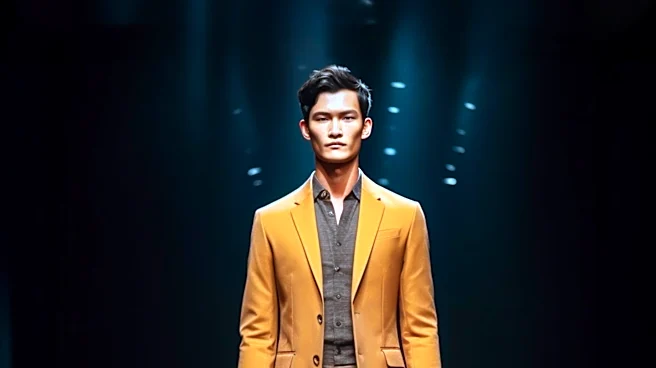
Luxury brands, including Prada, Fendi, Gucci, and Oscar de la Renta, are facing challenges in maintaining their prestige and exclusivity as they expand their audience through social media and broader distribution channels. This expansion has led to concerns
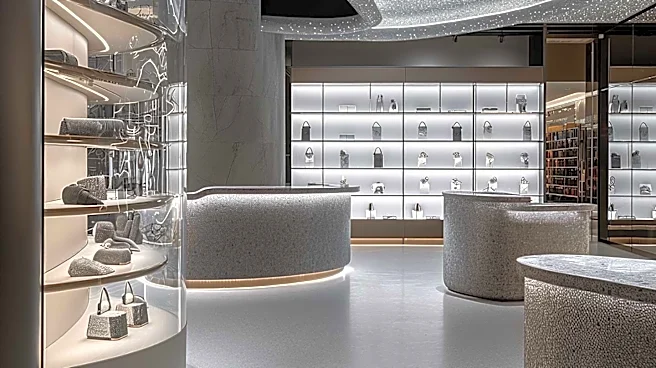
about overexposure, which can dilute the perception of uniqueness that has historically driven luxury sales. While scarcity and high prices once sufficed to convey a product's 'special' feel, consumers now increasingly value cultural meaning and a sense of participation in the brand's story. To counter dilution, brands are focusing on authentic and purposeful product storytelling, utilizing various strategies such as establishing unique in-store formats, launching pop-up locations, and fostering social media connections. Examples include Prada's cafes in New York and London, and Gucci's four Gucci Osteria restaurants globally, including one in Beverly Hills, CA, operating under a licensing agreement with Chef Massimo Bottura.
Why It's Important?
The struggle of luxury brands to balance expanded reach with exclusivity has significant implications for the U.S. market, where consumer demand for unique and meaningful experiences is high. The shift from defining exclusivity by scarcity to cultural relevance and difficulty of replication, as highlighted by McKinsey and the Business of Fashion, means brands must innovate their engagement strategies. For U.S. consumers, particularly those with higher incomes, factors like early access to products, limited editions, and VIP programs are crucial for creating a sense of privilege. If luxury brands fail to adapt, they risk becoming indistinguishable from mass-market offerings, potentially eroding their brand value and market position. This challenge affects not only the brands themselves but also the broader retail landscape, influencing how luxury goods are marketed, distributed, and perceived by American consumers. The ability to tell compelling stories and create unique experiences is becoming paramount for success.
What's Next?
Luxury brands are expected to continue experimenting with innovative ways to engage consumers while preserving their exclusive appeal. This will likely involve further development of experiential retail, such as unique cafes and restaurants, and highly curated pop-up events that offer a distinct brand experience. Investment in personalized marketing and VIP programs will also increase to cater to high-income consumers who value bespoke services and early access. Brands will need to refine their social media strategies to ensure that their online presence enhances rather than dilutes their exclusivity, focusing on quality content and authentic interactions. The ongoing challenge will be to strike a delicate balance between accessibility and aspiration, ensuring that expanded reach translates into deeper engagement without sacrificing the perception of luxury. The U.S. market, with its diverse consumer base, will be a key battleground for these evolving strategies.
Beyond the Headlines
The evolving definition of exclusivity in the luxury market reflects deeper societal shifts in consumer values. Modern consumers, particularly younger generations, are often more interested in experiences and authenticity than in overt displays of wealth. This trend pushes luxury brands to become cultural curators, offering not just products but also lifestyles, narratives, and a sense of belonging. The ethical and cultural dimensions of brand storytelling are becoming increasingly important, as consumers seek brands that align with their personal values. The challenge of maintaining exclusivity in a digitally interconnected world also raises questions about the future of luxury itself: will it remain a domain of the elite, or will it transform into a more inclusive concept defined by unique experiences and cultural resonance? The strategies employed by brands like Gucci and Prada suggest a move towards the latter, indicating a significant long-term shift in the luxury industry's paradigm.