







What's Happening?
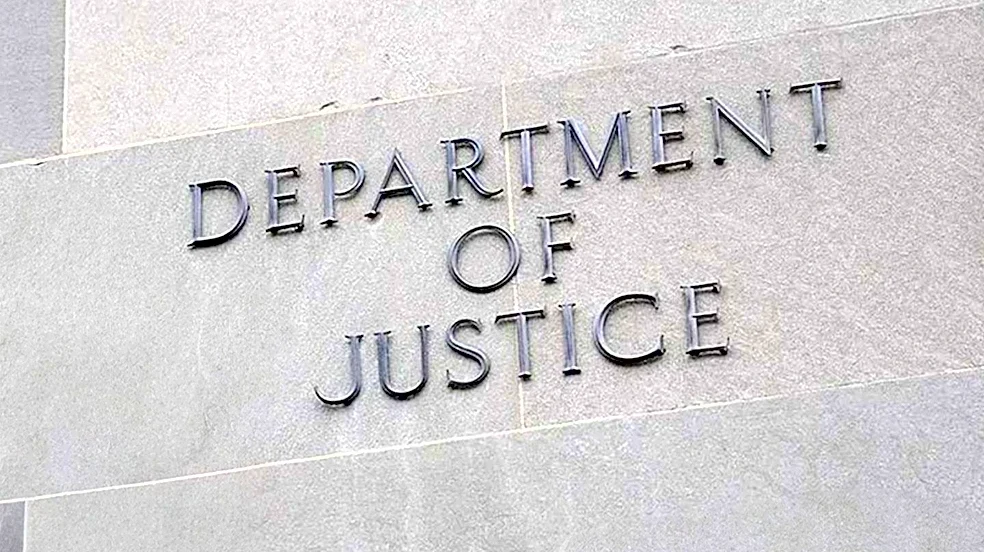
The U.S. Department of Justice (DOJ) has revised its Justice Manual to update its approach to False Claims Act (FCA) enforcement. These revisions emphasize that DOJ guidance documents are not substitutes for regulation and cannot impose new legal obligations.
The DOJ also encourages continuous assessment of qui tam actions, particularly for dismissal if they lack legal or factual merit. Concurrently, the Federal Trade Commission (FTC) has accepted a proposed consent order to prevent anticompetitive board interlocks between Beretta Holding S.A. and Sturm, Ruger & Co., Inc., two major firearm manufacturers. This action prevents Beretta from appointing non-independent directors to Ruger's board. Separately, state legislatures, including Connecticut, New Jersey, and Maryland, are increasingly focusing on personalized or surveillance pricing, passing laws to regulate or restrict the use of personal data to raise prices for consumers. Connecticut's new law, effective July 1, 2027, broadly bans retail sellers and delivery services from using personal data for price increases, while New Jersey and Maryland's laws are more limited to groceries and grocery stores.
Why It's Important?
These developments signify a multi-faceted shift in U.S. regulatory and enforcement priorities across antitrust, consumer protection, and government contracting. The DOJ's revised stance on the False Claims Act could provide companies contracting with the federal government a stronger basis to challenge FCA theories solely reliant on agency guidance, potentially reducing the scope of certain enforcement actions. However, companies must still ensure compliance with binding statutory, regulatory, and contractual requirements. The FTC's continued enforcement of Section 8 of the Clayton Act, particularly regarding board interlocks, underscores a broader trend of increased scrutiny on corporate governance to prevent anticompetitive practices, impacting how companies structure their leadership and potential mergers. The growing state-level focus on personalized pricing reflects increasing concerns about data privacy and algorithmic discrimination, potentially leading to a complex patchwork of regulations that businesses operating nationally will need to navigate. This could significantly alter how companies collect, use, and monetize consumer data, particularly in retail and e-commerce sectors, and may prompt a re-evaluation of data practices to ensure transparency and fairness.
What's Next?
For the DOJ's False Claims Act revisions, companies involved in federal contracts will likely explore how these changes can be leveraged in ongoing or future litigation, particularly in challenging claims based solely on agency guidance. The FTC's proposed consent order regarding Beretta and Ruger is currently open for public comment, after which the FTC may issue it on a final, binding basis. This process will be closely watched by other companies to understand the FTC's evolving approach to board interlocks. State legislative efforts on personalized pricing are expected to continue, potentially leading to more states enacting similar laws or expanding existing ones. Businesses, especially those in retail, e-commerce, and data-intensive industries, will need to monitor these legislative trends closely and adapt their data collection and pricing strategies to comply with a potentially diverse set of state regulations. The Federal Trade Commission (FTC) is also studying personalized pricing, indicating potential future federal action or guidance in this area.
Beyond the Headlines
The DOJ's emphasis on limiting the reach of guidance documents in FCA enforcement reflects a broader philosophical shift towards regulatory restraint, aiming to ensure that enforcement actions are grounded in established law rather than non-binding agency interpretations. This could have long-term implications for the balance of power between federal agencies and regulated entities. The FTC's aggressive stance on board interlocks, even in anticipation of stock purchases, highlights a proactive approach to antitrust enforcement, signaling a move beyond traditional merger reviews to scrutinize potential anticompetitive influences through corporate governance structures. This could lead to a re-evaluation of board composition and director independence across various industries. The emergence of state laws against personalized pricing touches upon deeper ethical and societal questions regarding data exploitation and consumer autonomy. These laws challenge the notion that companies have unfettered rights to use consumer data for profit maximization, particularly when it leads to differential pricing based on personal characteristics. This trend could foster a broader public debate on data ownership, algorithmic transparency, and the need for a comprehensive federal privacy framework to address the complexities of the digital economy.