




What's Happening?
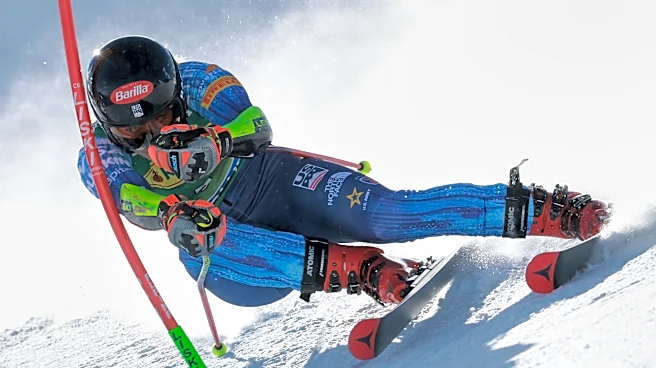
As winter approaches, physical therapists and ski instructors are advocating for pre-season conditioning to prepare the body for skiing, focusing on strength, balance, mobility, and endurance. This preparation is crucial because skiing engages muscles
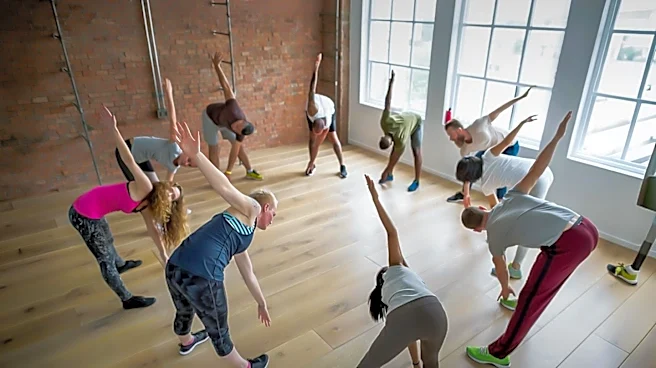
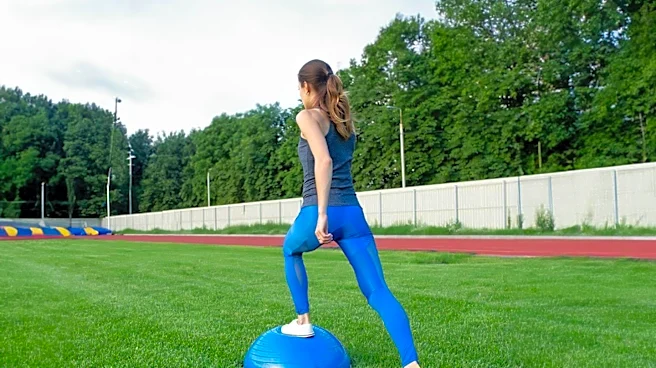
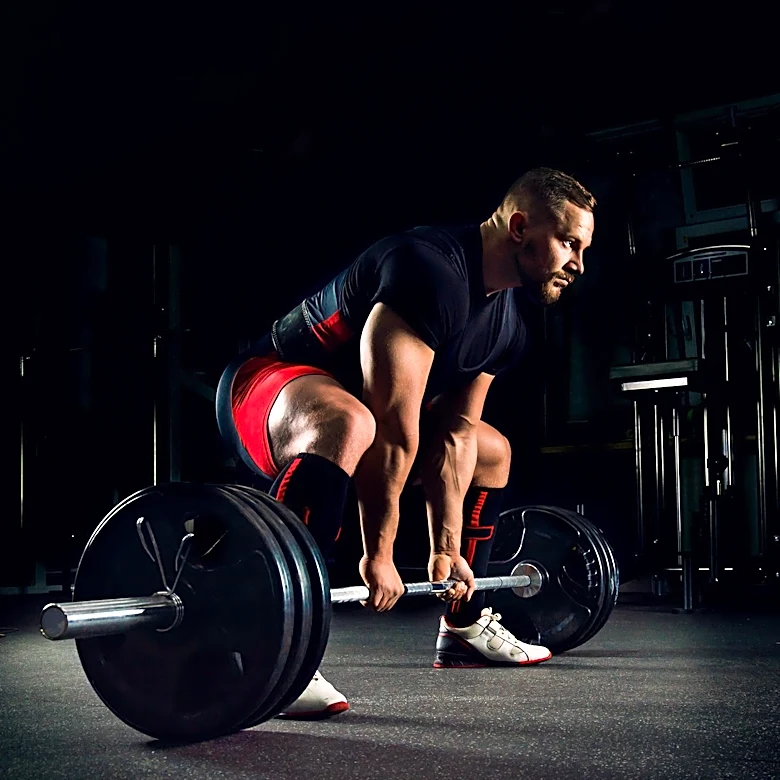
and movements that may have been dormant during warmer months. Recommended exercises include glute bridges, lunges with twists, lateral bounds, eccentric squats, and single-leg Romanian deadlifts. These exercises aim to build foundational strength in key muscle groups like glutes, hamstrings, and core, while also improving balance and flexibility. The advice emphasizes starting with everyday movements and gradually incorporating ski-specific exercises to avoid drastic changes to one's routine. The goal is to enable skiers to perform stronger, carve groomers, chase powder, and keep up with companions throughout the winter season, while significantly reducing the risk of injury.
Why It's Important?
The emphasis on pre-season conditioning for skiers holds significant importance for public health, sports safety, and the winter sports industry. By proactively strengthening the body, skiers can mitigate the risk of common injuries such as knee ligament tears, sprains, and muscle strains, which can lead to costly medical treatments and prolonged recovery periods. This preventative approach not only benefits individual skiers by enhancing their enjoyment and performance on the slopes but also contributes to a safer sporting environment. For the winter sports industry, fewer injuries can lead to more consistent participation and a positive perception of the sport. Furthermore, promoting fitness and injury prevention aligns with broader public health initiatives, encouraging active lifestyles while minimizing associated risks.
What's Next?
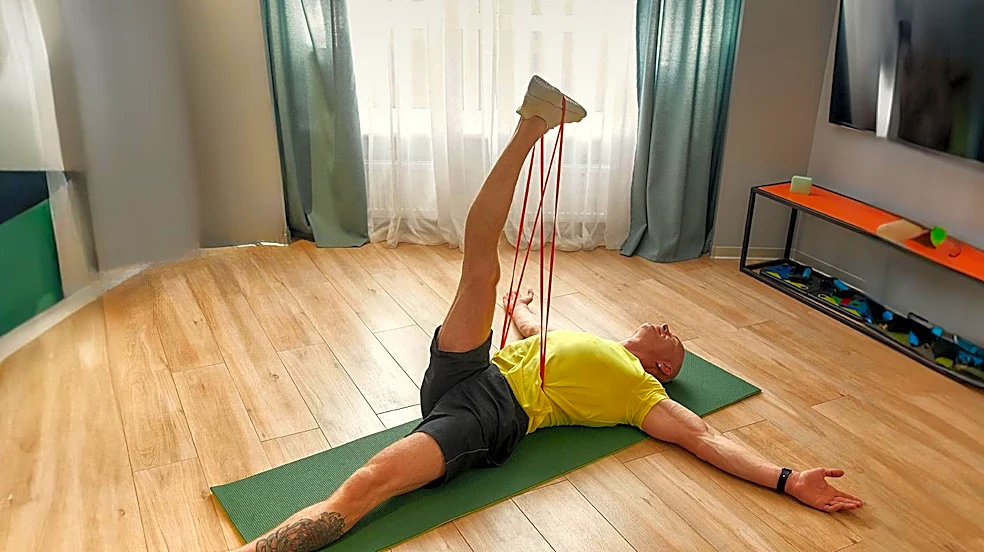
The continued promotion of pre-season conditioning is expected to lead to increased awareness among skiers about the importance of physical preparation. Fitness professionals and ski resorts may further integrate these recommendations into their programs, offering specialized classes or resources. The development of more targeted exercise routines and accessible training guides, potentially incorporating resistance bands or light weights for advanced movements, is also anticipated. As the understanding of biomechanics in skiing evolves, future conditioning programs may become even more refined, focusing on highly specific muscle groups and movement patterns. This proactive approach to fitness will likely become a standard expectation for anyone looking to engage in winter sports safely and effectively.
Beyond the Headlines
The focus on pre-season conditioning for skiing extends beyond mere physical preparation; it highlights a growing trend in sports and recreation towards holistic wellness and injury prevention. This approach encourages individuals to view physical activity not just as a seasonal pursuit but as a year-round commitment to health. It also underscores the ethical responsibility of sports organizations and fitness experts to educate participants on safe practices. Culturally, it reinforces the idea that preparation is key to enjoyment and longevity in any physical endeavor, fostering a mindset of proactive self-care. This shift could also influence how other seasonal sports approach participant readiness, potentially leading to similar conditioning recommendations across various athletic activities.